910 Death Metal Bands, Only 3 Tracked Shows: Inside South America's Underground Death Metal Data Gap
As of 2026-08-14, South American Metal Index indexes 910 death metal bands across the continent — and only 3 tracked shows. That gap is the single most striking number in this dataset. It doesn't mean death metal isn't being played live in São Paulo, Santiago, or Buenos Aires on any given weekend. It means the infrastructure for documenting those shows lags far behind the sheer number of bands producing the music. This piece looks at what the data does show clearly: where death metal bands are concentrated, when they formed, and how they present themselves online.
A Scene Built on Bandcamp, Not Spotify
Of the 910 death metal bands in the index, 96% have a Bandcamp page, while only 27% have a Spotify profile. That 69-point gap is a strong signal about how this scene operates. Bandcamp remains the default distribution platform for South American death metal — cheap, direct, and friendly to physical releases, splits, and demos that never make it to streaming platforms. Spotify presence, by contrast, tends to correlate with bands that have crossed into more commercial or international territory. For most of the 910 bands in this dataset, that crossover hasn't happened, and may never be the goal.
Where the Bands Are: São Paulo's Outsized Lead
São Paulo is home to 80 death metal bands in the index — nearly double the count of Santiago, the second-ranked city with 46. Brazilian cities dominate the top of the list overall, taking seven of the top ten spots. Here's the full breakdown:
| Rank | City | Band Count |
|---|---|---|
| 1 | São Paulo | 80 |
| 2 | Santiago | 46 |
| 3 | Rio de Janeiro | 35 |
| 4 | Belo Horizonte | 27 |
| 5 | Brasília | 25 |
| 6 | Salvador | 24 |
| 7 | Curitiba | 22 |
| 8 | Buenos Aires | 17 |
| 9 | Porto Alegre | 17 |
| 10 | Recife | 16 |
Brazil's dominance here isn't surprising given the country's size and its long-standing metal history dating back to Sepultura and Sarcófago, but the margin is still notable. São Paulo alone accounts for nearly 9% of every death metal band indexed on the entire continent. Santiago's second-place finish stands out as the only non-Brazilian city to crack the top seven, suggesting Chile has built a genuinely dense local scene rather than a scattered one. Buenos Aires, despite Argentina's overall metal reputation, sits in a three-way tie for eighth with just 17 bands — well behind the top Brazilian cluster.
A Genre That Exploded in the 2010s
Of the 690 bands with a known formation year, the distribution tells a clear growth story:
| Decade | Bands Formed |
|---|---|
| 1980s | 5 |
| 1990s | 33 |
| 2000s | 72 |
| 2010s | 379 |
| 2020s | 201 |
The 2010s account for 379 of the 690 dated bands — 55% of everything with a known formation year. That's more than five times the combined total of the 1980s, 1990s, and 2000s (110 bands). Whether this reflects a genuine boom in new band formation, improved documentation of newer acts, or both, the pattern is unambiguous: the overwhelming majority of the death metal bands in this index are recent projects. And the 2020s, a decade not yet finished, has already produced 201 bands — more than half the total output of the 2010s in roughly half the time. If that pace holds, the current decade could match or exceed the previous one.
The Live Show Data Problem
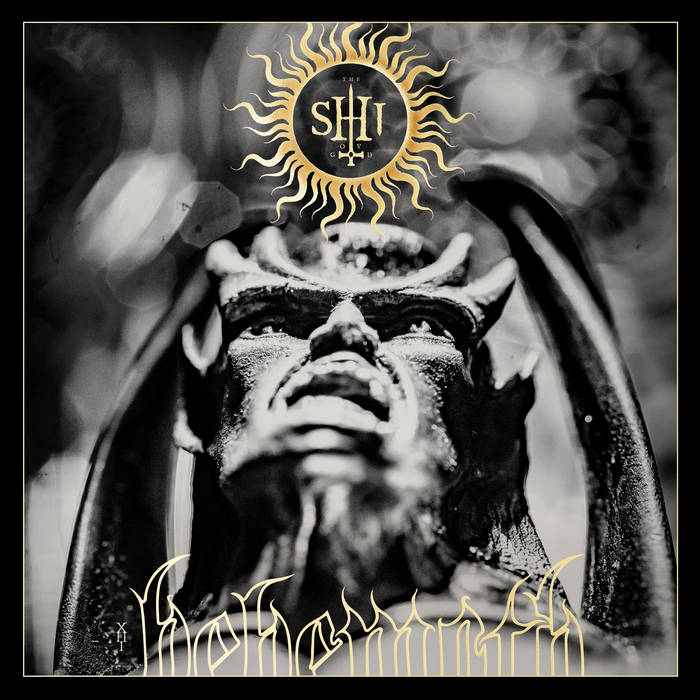
Against 910 bands, the index currently tracks just 3 shows, credited to Behemoth, Crypta, and Nervosa — one show each. The remaining 907 bands in the genre show zero tracked shows. This isn't a claim that death metal isn't being performed live across South America; it's a reflection of how much harder live show data is to capture compared to band metadata. Bands self-report or get catalogued through directories, Bandcamp pages, and social profiles relatively easily. Show listings require someone to log a specific date, venue, and lineup — a much higher-friction process, especially for DIY and underground circuits where shows are announced on a flyer posted to a local group chat rather than a ticketing platform.
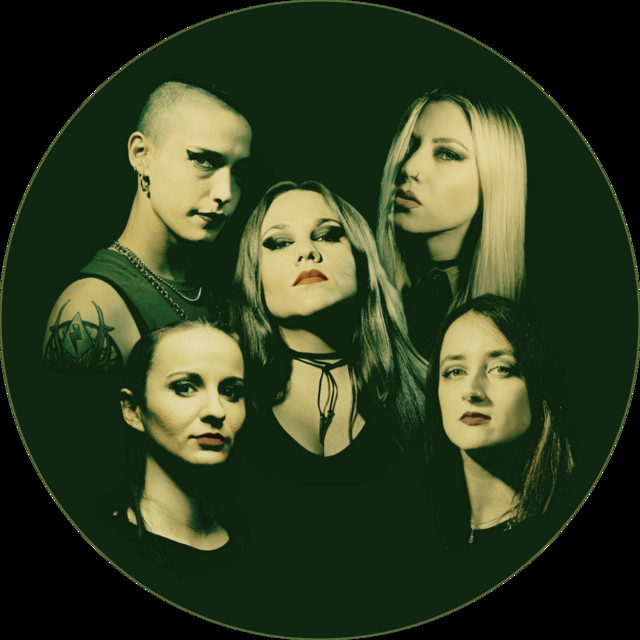
The three bands with tracked shows — Crypta and Nervosa in particular — are also among the more internationally visible acts in the Brazilian scene, which may explain why their show data made it into the index before the hundreds of smaller local acts. Anyone looking for a live death metal show in the region right now should check upcoming shows directly, since band-level show counts in this dataset are clearly undercounting actual gig activity.
What the Numbers Suggest
Put together, the picture is of a genre with deep and geographically wide roots — 910 bands spread across at least ten major cities in multiple countries — but with a documentation profile skewed heavily toward recent formation (2010s and 2020s combined make up 84% of dated bands) and DIY distribution (96% Bandcamp presence vs. 27% Spotify). The live show data, meanwhile, is the clearest gap in the dataset: a scene this large is playing far more than 3 shows, but only 3 have been captured so far.
Methodology
This analysis is based on South American Metal Index's own database of bands, shows, and venues across South America, as of 2026-08-14. Band counts reflect all acts tagged with the Death Metal genre in the index. Year-formed figures are based on the 690 bands (of 910 total) with a recorded formation year; the remaining 220 have no formation year on file. Show counts reflect shows logged in the index at the time of writing and should be read as a floor, not a complete record of live activity in the region.
Frequently asked questions