Rock Hall Recognition and Digital Avatar Experiments Signal Metal's Corporate Evolution While South America Maintains Underground Authenticity

The metal world finds itself at a fascinating crossroads as legendary acts embrace mainstream recognition and cutting-edge technology, creating ripple effects that reach deep into South America's thriving underground scene. Iron Maiden's upcoming induction into the Rock and Roll Hall of Fame in 2026 represents a watershed moment for heavy metal legitimacy, while KISS prepares to launch revolutionary avatar-based performances featuring new material by 2028. These developments signal a fundamental shift in how established metal acts approach their legacy and future creative output.
Hall of Fame Recognition Validates Metal's Cultural Impact
Iron Maiden's inclusion in the 2026 Rock and Roll Hall of Fame class alongside diverse artists like Wu-Tang Clan, Oasis, and Joy Division/New Order demonstrates the institution's evolving recognition of metal's profound cultural influence. This acknowledgment comes decades after the British heavy metal pioneers first changed the landscape of extreme music, inspiring countless South American bands who built their own interpretations of the Maiden formula.
The significance of this recognition extends far beyond ceremonial honors. For South American metal acts, seeing their influences receive institutional validation provides important context for their own artistic legitimacy. Sepultura has long carried the torch for Brazilian metal's international recognition, but Iron Maiden's Hall of Fame induction creates broader acceptance for the heavy metal genre that benefits regional scenes worldwide.
The timing proves particularly relevant as South American metal continues its evolution from underground curiosity to serious artistic force. When influential acts receive mainstream recognition, it creates space for their disciples and innovators to gain wider acceptance. This cultural shift opens doors for touring opportunities, international collaborations, and media coverage that previously remained closed to extreme music acts.
Avatar Technology Reshapes Performance Possibilities
KISS's planned 2028 Las Vegas avatar shows represent perhaps the most ambitious technological experiment in rock music history. The band's leaders have committed to creating entirely new songs specifically for these digital performances, suggesting that avatar technology isn't merely a nostalgic cash grab but a genuine artistic medium. This development carries profound implications for how metal acts might approach live performance in the coming decade.
South American metal bands, often constrained by geographic isolation and limited touring budgets, should pay close attention to these technological innovations. Avatar performances could theoretically allow regional acts to "tour" internationally without the massive expenses associated with traditional concerts. While the technology remains expensive and experimental, its eventual democratization could level the playing field for bands from developing markets.
The concept of creating new material specifically for digital performances also raises intriguing questions about artistic authenticity in metal. The genre has traditionally valued raw, live energy and authentic human connection. How South American metal acts adapt these technological possibilities while maintaining their underground credibility will likely define the next phase of regional scene development.
Festival Culture and Touring Economics
Recent changes to major festival lineups, including the Sick New World festival's announcement of performer modifications, highlight the complex economics driving modern metal touring. When established festivals make lineup adjustments, it creates both opportunities and challenges for emerging acts seeking to break into the festival circuit.
South American metal festivals have historically operated on tighter budgets and smaller scales than their North American and European counterparts. However, the region's passionate metal fanbase and growing economic stability in several countries have created opportunities for expansion. Learning from how major international festivals manage their logistics and programming provides valuable insights for regional event organizers.
The discussion around reviving the Family Values Tour also demonstrates how nostalgic branding can drive modern metal touring. South American promoters might consider how their own regional metal history could support similar touring packages that celebrate the continent's metal legacy while introducing newer acts to wider audiences.
Professional Standards and Industry Drama
The recent dispute between death metal veterans Suffocation and their former drummer Eric Morotti exposes the professional challenges that can plague long-running metal acts. When established bands face internal conflicts that spill into public view, it serves as a cautionary tale for emerging acts about the importance of clear communication and professional boundaries.
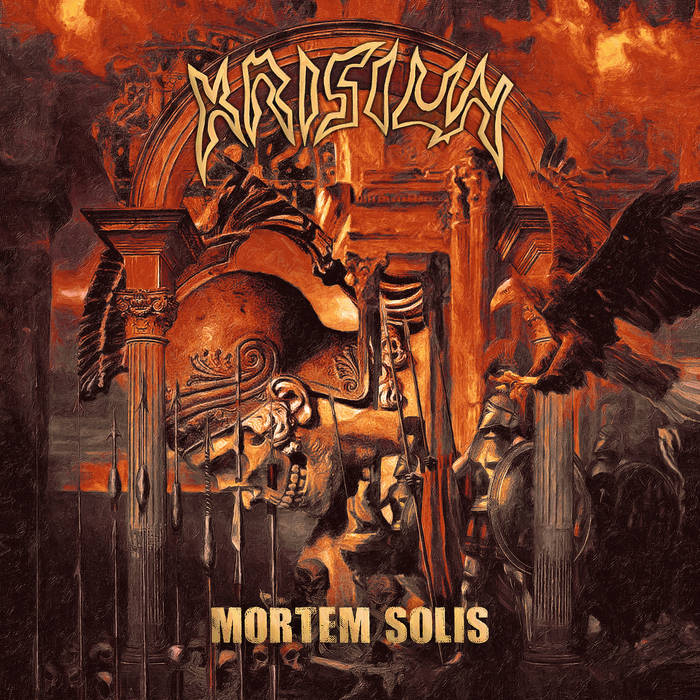
South American metal bands, particularly those in the death metal and brutal death metal scenes like Krisiun and Anomalistic, operate in similar high-intensity creative environments where personality conflicts can derail decades of work. The Suffocation controversy highlights how important it is for regional acts to establish clear professional standards early in their careers.
Tommy Clufetos, the acclaimed drummer who has worked with Ozzy Osbourne and Black Sabbath, recently emphasized his straight-edge approach to rock performance, noting that he achieves intense performances without relying on drugs or alcohol. This perspective offers valuable guidance for South American metal musicians navigating the temptations and pressures of the music industry while maintaining their artistic focus.
Anniversary Releases and Vinyl Culture
The announcement of Beyond Creation's 15th anniversary vinyl reissue of "The Aura" demonstrates how established metal acts can leverage their catalog for both artistic and commercial purposes. Anniversary releases serve multiple functions: they introduce classic material to new audiences, provide revenue streams for bands between new releases, and celebrate artistic milestones that reinforce a band's legacy.
South American metal acts should observe how successful reissue campaigns work, particularly as vinyl culture continues its global resurgence. Regional bands with strong early releases might consider similar anniversary strategies, especially given the growing collector market for South American metal releases. Limited edition pressings can generate significant revenue while building stronger connections with dedicated fans.
The vinyl format's tactile nature particularly suits metal's aesthetic values, and South American acts have opportunities to create distinctive packaging that reflects their cultural backgrounds and artistic visions. As international collectors increasingly seek out rare and regional releases, South American metal bands are well-positioned to capitalize on this trend.
Underground Authenticity vs. Commercial Recognition
As major metal acts embrace mainstream recognition and technological innovation, South American metal scenes face questions about maintaining their underground authenticity while pursuing broader recognition. The region's metal acts have historically drawn strength from their outsider status and fierce independence, qualities that could be threatened by excessive commercialization.
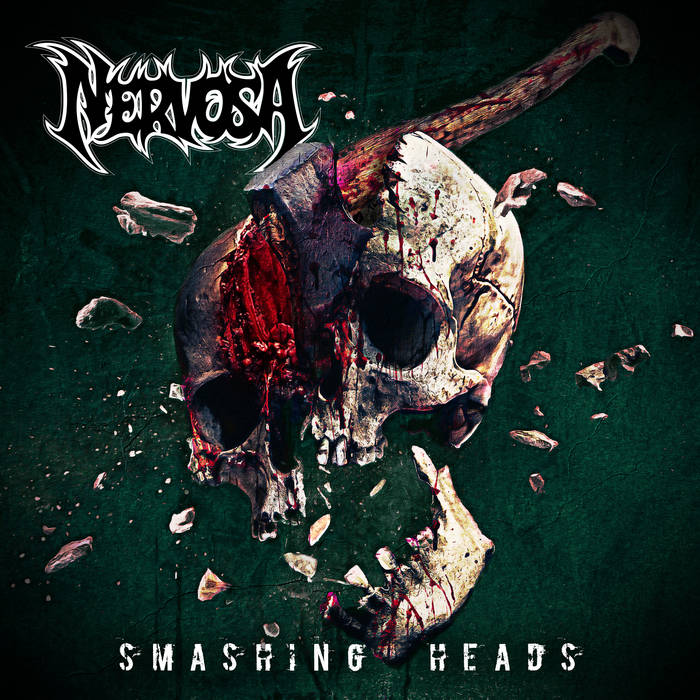
However, Iron Maiden's Hall of Fame recognition and similar developments don't necessarily compromise artistic integrity. Instead, they create space for more diverse metal expressions to find audiences. South American bands like Crypta and Nervosa have demonstrated how regional acts can maintain their underground credibility while building international recognition.
The key lies in approaching commercial opportunities strategically rather than desperately. When established metal acts receive mainstream validation, it creates cultural space for underground scenes to grow without compromising their core values. South American metal's strength has always been its authentic expression of regional experiences and perspectives, qualities that remain valuable regardless of industry trends.
As the global metal scene continues evolving through technological innovation and mainstream recognition, South American acts are positioned to benefit from these developments while maintaining the authentic edge that has always defined the region's contribution to heavy music. The challenge lies in embracing new opportunities while preserving the underground spirit that makes South American metal special.