Emotional Metal Surge and Studio Secrecy Drive South American Scene's Creative Intensity Forward
While global metal acts dive deeper into emotional territories and retreat into secretive studio sessions, South America's heavy music landscape finds itself perfectly positioned to capitalize on these emerging trends. The continent's rich tradition of passionate, visceral metal expression aligns seamlessly with the industry's current shift toward raw authenticity and creative mystery.
The Rise of Emotional Intensity in Heavy Music
The Amity Affliction's latest single represents a broader movement toward emotionally charged metal that resonates deeply with South American audiences. This trend toward heart-wrenching content mirrors the authentic passion that has always defined the region's metal output. From Brazil's extreme metal pioneers to Argentina's progressive innovators, South American bands have consistently delivered the kind of genuine emotional impact that international acts are now pursuing.
Within Temptation's Sharon Den Adel's recent reflections on society's direction echo concerns that have long permeated South American metal. The region's bands have historically addressed social and political turmoil through their music, making them natural leaders in this era of socially conscious heavy music. Chilean symphonic acts like SubRose exemplify this tradition, crafting elaborate compositions that tackle complex societal themes with the same sophistication as their European counterparts.
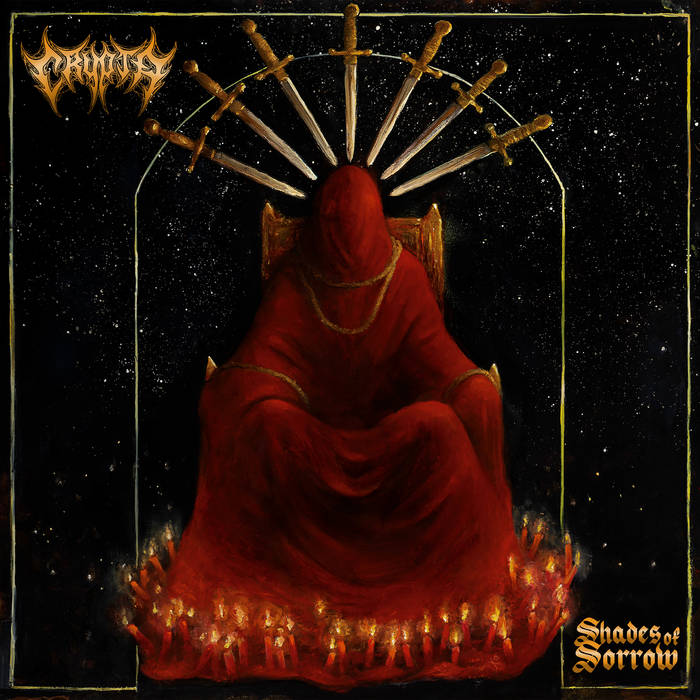
This emotional authenticity extends across multiple subgenres throughout the continent. Brazilian death metal veterans like Crypta demonstrate how technical prowess can serve emotional expression, while acts like Fim da Aurora blend metalcore's intensity with deeply personal lyrical content that speaks to universal human experiences.
Studio Mystique and Creative Secrecy
The current trend of bands retreating into studios with minimal fanfare represents a return to the underground values that have always sustained South America's metal scene. When international acts like Psycho-Frame and The Ghost Inside quietly work on new material, they're adopting an approach that regional bands have perfected out of necessity.
This creative secrecy allows artists to develop their sound without external pressure, a luxury that South American metal bands have learned to maximize. Colombian thrash act Virulencia exemplifies this approach, developing their ferocious sound through intensive, closed-door sessions that prioritize artistic growth over marketing timelines.
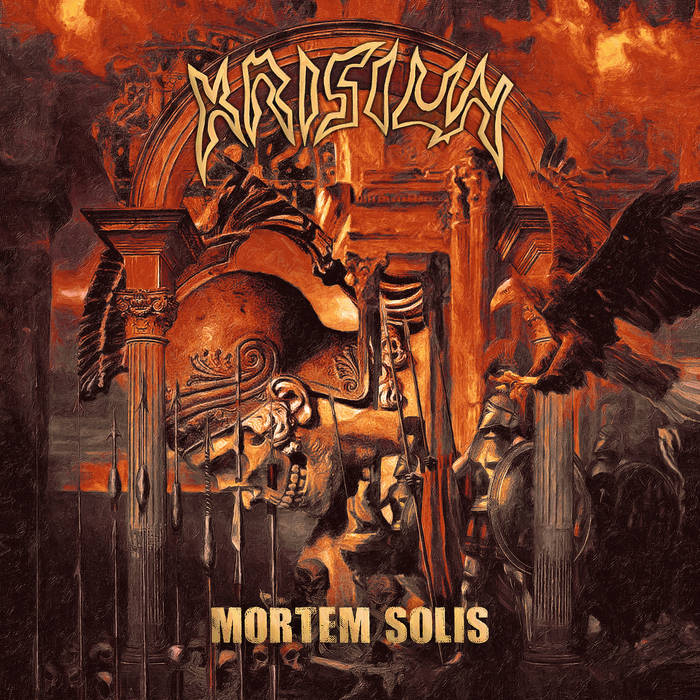
The studio-centric approach also benefits from South America's growing reputation for producing high-quality recordings on limited budgets. Brazilian death metal powerhouses like Krisiun have consistently proven that world-class production values can emerge from focused, no-frills recording sessions that emphasize performance over polish.
Cross-Genre Experimentation Gains Momentum
The emergence of hybrid projects like Nine Inch Noize at major festivals signals growing acceptance of genre-blending approaches that South American metal has embraced for decades. The region's bands have always drawn from diverse influences out of creative necessity, making them perfectly positioned to capitalize on this trend.
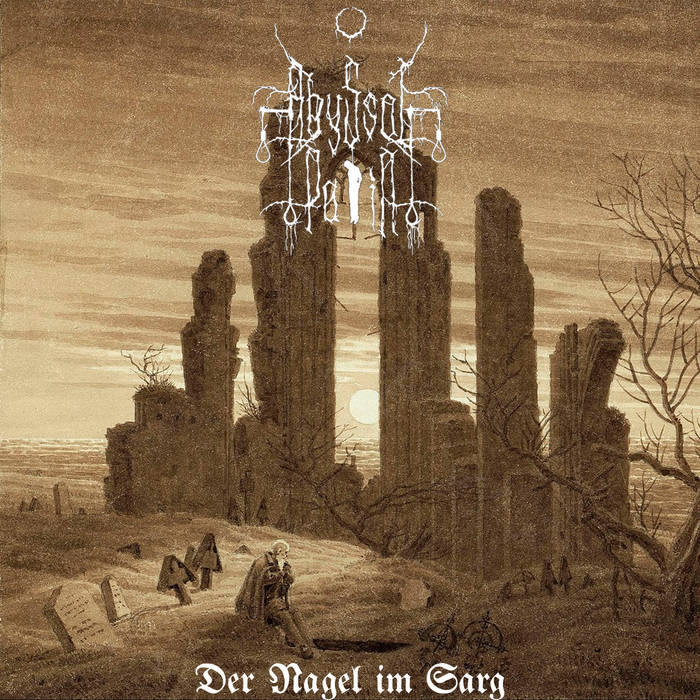
Electronic-metal fusion projects find natural homes throughout South America, where acts like Abyssal Pain seamlessly incorporate ambient elements into black metal frameworks. This experimental approach mirrors the broader industry's increasing openness to sonic exploration, creating new opportunities for regional acts to showcase their innovative approaches to international audiences.
The success of experimental collaborations also opens doors for South American metal's more traditional acts. Thrash metal veterans like Violencity benefit from increased interest in authentic, uncompromising approaches to classic subgenres, while progressive metal acts find their complex compositions gaining new appreciation in an era that values artistic ambition.
Legacy Celebrations and Anniversary Culture
Uli Jon Roth's celebration of Scorpions anniversaries reflects metal's growing emphasis on honoring its history, a trend that particularly benefits South America's veteran acts. The continent boasts numerous pioneering bands whose contributions deserve similar recognition, creating opportunities for anniversary tours and retrospective releases.
This anniversary culture extends beyond individual bands to encompass entire regional scenes. Brazil's thrash metal explosion of the 1980s, led by acts like Sepultura, established templates that continue influencing new generations of extreme metal bands. Anniversary celebrations provide platforms for veteran acts like Mystifier to showcase their historical significance while introducing their music to younger audiences.
The emphasis on musical heritage also benefits contemporary acts working within established subgenres. Colombian heavy metal act Tempano represents the kind of traditional approach that gains renewed respect during periods of anniversary-focused celebration, while maintaining relevance through consistent quality and authentic expression.
Professional Standards Under Scrutiny
Recent revelations about band dynamics and professional relationships have created opportunities for South American metal acts to demonstrate superior standards of professionalism and communication. The region's close-knit metal communities have fostered cultures of mutual respect and clear communication that serve as models for the broader international scene.
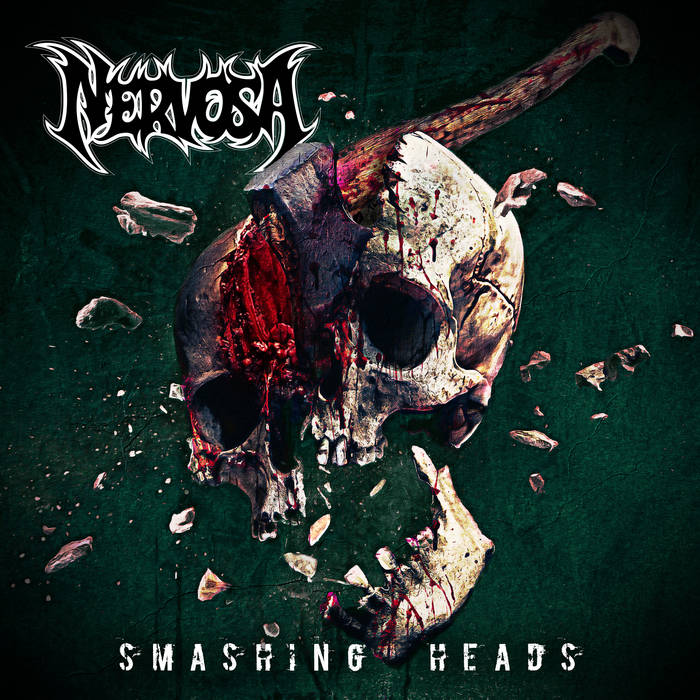
These professional advantages extend to business relationships and industry dealings. South American metal bands have developed resilient approaches to band management and creative collaboration that help them avoid the toxic dynamics plaguing some international acts. Acts like Nervosa demonstrate how clear communication and shared vision can sustain successful careers even through lineup changes and industry pressures.
The Path Forward
As global metal trends emphasize emotional authenticity, creative mystery, and professional integrity, South American metal finds itself uniquely positioned to lead rather than follow. The region's bands possess the genuine passion, innovative approaches, and professional standards that define metal's current evolution.
The combination of traditional values and forward-thinking creativity makes South American metal particularly relevant in 2026's musical landscape. Whether through the crushing intensity of Brazilian death metal, the atmospheric innovation of ambient black metal acts, or the technical precision of progressive metal pioneers, the continent's diverse heavy music scene offers authentic alternatives to the manufactured approaches that have drawn criticism elsewhere.
This positioning creates unprecedented opportunities for South American metal to gain international recognition commensurate with its quality and innovation. As the global scene searches for genuine artistic expression and professional excellence, the continent's metal acts stand ready to deliver both in abundance.