German Power Metal Invasion Hits South America as Primal Fear Overcomes Injury Crisis
The resilience of German power metal powerhouse Primal Fear exemplifies the unwavering dedication that defines the international metal touring circuit, particularly as European acts continue strengthening their bonds with South American audiences. When bassist Mat Sinner suffered a serious injury during the band's London performance in early March, the group faced a critical decision: cancel their highly anticipated South American dates or find a solution that would honor their commitment to fans across the continent.
The answer came in the form of Gamma Ray's seasoned bassist Dirk Schlächter, whose willingness to step into the breach demonstrates the collaborative spirit that keeps metal's global community functioning. This personnel swap highlights how interconnected the German metal scene remains, with veterans supporting each other across band boundaries to ensure the music reaches audiences worldwide.
For South American metal devotees, this development represents more than just a lineup change—it's a testament to how seriously international acts regard their continental fanbase. The region's passionate response to power metal has made it an essential stop for European bands, creating a symbiotic relationship that benefits both touring acts and local scenes.
Power Metal's South American Renaissance
The continent's embrace of power metal extends far beyond international touring acts, with homegrown talent like Castlevania proving that South American musicians can master the genre's demanding technical requirements while infusing their work with regional cultural elements. This cross-pollination between visiting European acts and local power metal bands creates fertile ground for musical evolution.
Primal Fear's commitment to completing their South American run, despite significant obstacles, reflects the economic and cultural importance of these markets. Countries like Brazil, Argentina, and Chile have developed sophisticated metal scenes that demand high-quality performances, making them crucial destinations for any band seeking to establish international credibility.
The decision to bring in Schlächter also showcases the professional networks that sustain metal's touring ecosystem. Gamma Ray and Primal Fear share similar musical DNA—both rooted in German metal traditions that prize technical proficiency and melodic sophistication. This compatibility ensures that fans won't experience a jarring stylistic shift, even with the last-minute substitution.
Underground Extremity Meets Mainstream Recognition
While power metal enjoys widespread commercial appeal, South America's metal landscape encompasses far more extreme territories. The region's black metal scene continues expanding, with atmospheric and raw variants finding dedicated audiences across multiple countries. Bands exploring the darker realms of extreme metal often face different challenges than their power metal counterparts, relying more heavily on underground networks and digital distribution to reach fans.
This contrast highlights the diversity within South America's metal ecosystem. Where power metal bands might fill large venues with elaborate stage productions, black metal acts often thrive in smaller, more intimate settings that emphasize raw musical experience over spectacle. Both approaches serve essential functions in maintaining the scene's vitality.
The thrash metal revival also continues gaining momentum across the continent, with newer acts drawing inspiration from both international legends and regional pioneers. Sepultura remains the most internationally recognized example of South American metal excellence, but countless bands work tirelessly to expand the region's reputation for producing world-class extreme music.
Industry Evolution and Documentary Culture
Recent developments in metal media, including major documentary projects focusing on legendary bands, reflect the genre's growing cultural legitimacy. These high-production documentaries serve multiple purposes: they preserve metal history for future generations while demonstrating to mainstream audiences that heavy music deserves serious artistic consideration.
For South American metal scenes, this documentary trend represents both opportunity and challenge. While international productions tend to focus on established Anglo-American or European acts, there's growing recognition that metal's global story requires broader geographic representation. Regional scenes possess rich histories and unique cultural perspectives that deserve documentation and preservation.
The rise of digital platforms has democratized music distribution, allowing South American bands to reach international audiences without traditional industry gatekeepers. However, this accessibility also creates increased competition, requiring local acts to develop sophisticated promotional strategies and maintain consistent quality across all releases.
Collaborative Spirit and Cross-Genre Experimentation
The willingness of established musicians to support each other's projects—as demonstrated by Schlächter's assistance to Primal Fear—reflects broader trends in contemporary metal. Cross-band collaboration has become increasingly common, with musicians exploring side projects and guest appearances that blur traditional boundaries between different metal subgenres.
This collaborative approach particularly benefits developing scenes like those found throughout South America. When experienced international musicians work with local talent, knowledge transfer occurs naturally, helping regional scenes develop technical skills and professional practices that can elevate their global competitiveness.
Genre hybridization also continues accelerating, with bands combining elements from death metal, black metal, thrash, and traditional heavy metal to create distinctive sounds. South American acts often incorporate regional folk elements, creating unique musical fusions that distinguish them from their international counterparts while maintaining metal's essential sonic characteristics.
Future Prospects and Emerging Trends
Looking ahead to what metal bands are touring in 2026, South America's position as a crucial international touring destination seems secure. The region's passionate fanbase, improving venue infrastructure, and growing economic stability make it increasingly attractive for international acts planning major tours.
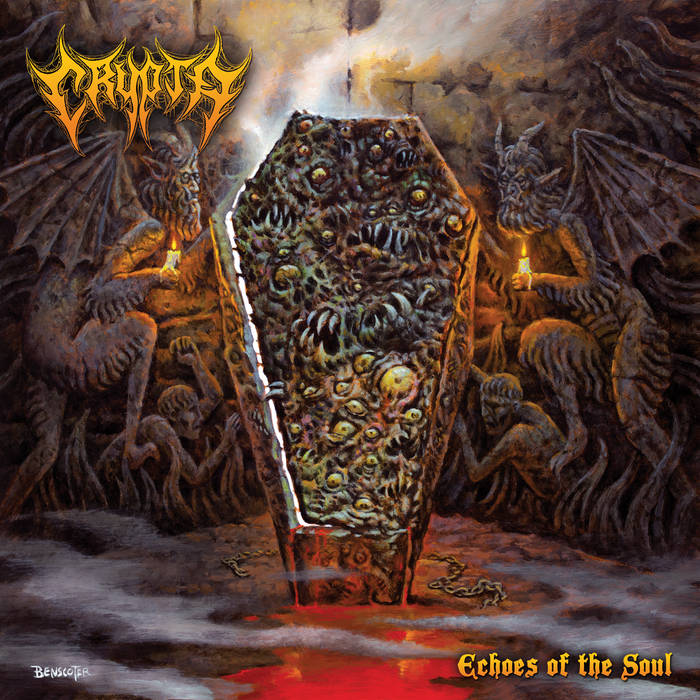
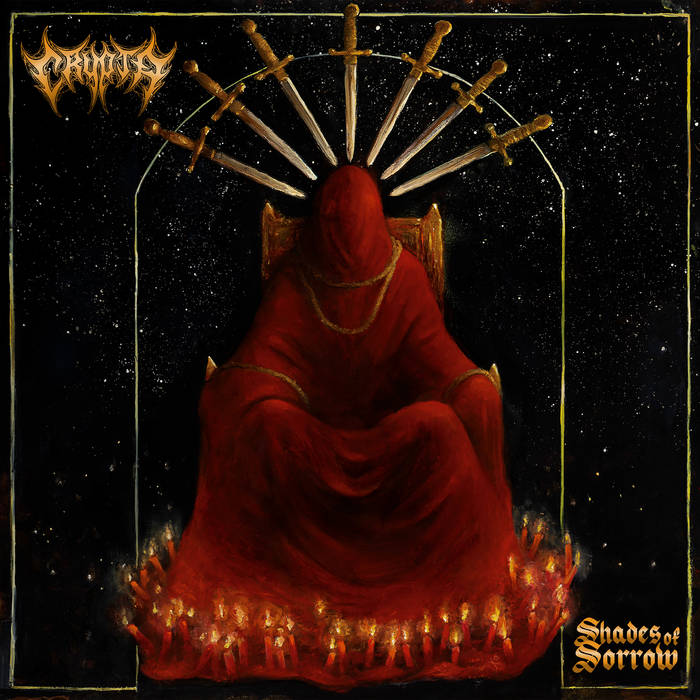
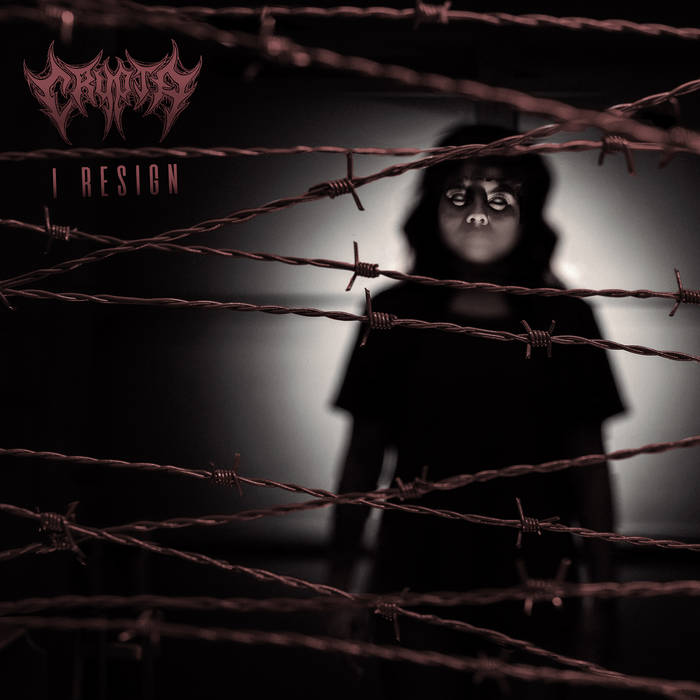
The success of bands like Crypta in gaining international recognition demonstrates that South American metal acts can compete on the global stage when given appropriate opportunities and support. This success creates positive feedback loops, encouraging more local bands to pursue international ambitions while inspiring younger musicians to enter the scene.
Technology continues reshaping how bands connect with audiences, but live performance remains metal's essential experience. The physical intensity and communal energy of metal shows cannot be replicated digitally, ensuring that touring will remain central to the genre's culture regardless of technological advances.
As 2026 approaches, the intersection of established international acts and emerging regional talent promises to create exciting opportunities for collaboration, innovation, and artistic growth across South America's diverse metal landscape. The Primal Fear situation—turning potential disaster into demonstration of community support—exemplifies the resilience and dedication that will continue driving metal forward across all corners of the continent.