Metal Mourns Chad Gilbert as Doom, Deathcore, and Power Metal Push South America Forward
Every so often the global metal and hardcore community gets a gut-punch reminder that riffs are temporary but the people who write them are not. This week that reminder came from Florida, where New Found Glory guitarist and songwriter Chad Gilbert died at 45 after a battle with cancer, surrounded by family. It's the kind of news that ripples far beyond one scene or one genre, and it lands hard here too, in a region where pop-punk, hardcore, and metal have always shared stages, fans, and battle scars.
Add to that the announcement that Dead Kennedys guitarist East Bay Ray has been diagnosed with Parkinson's disease — though he says he intends to keep touring for as long as his health allows — and you've got a week that's forced a lot of us to think about legacy, mortality, and what it actually means to keep a scene alive. That's not a uniquely North American or European conversation. It's one South American metal fans, promoters, and musicians have every single time a beloved local act loses a member, cancels a tour for health reasons, or quietly calls it a career after decades in the trenches.
Legacy Acts, Anniversary Tours, and What South America Can Learn
Speaking of legacy: death metal veterans I Am Morbid, Atheist, and Cancer have announced a 2026 European run dubbed "Morbidfest," built around 35th-anniversary performances of genre landmark records like Unquestionable Presence and Death Shall Rise. It's a smart model — take albums that shaped the conversation around some of the best metal albums of all time and give them a proper victory lap while the original architects can still deliver them live.
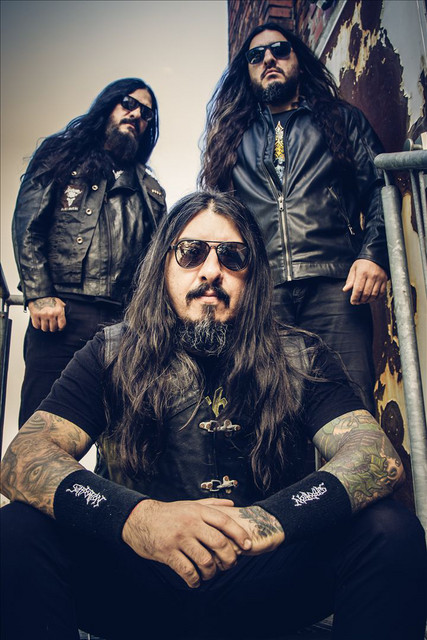
South America has no shortage of bands deserving the same treatment, and it's worth asking why so few anniversary package tours make it south of the equator. Brazilian death metal institution Krisiun has been flattening eardrums since the early '90s and has the discography to headline a Morbidfest-style victory lap of its own. If European promoters can build entire festivals around 35-year-old death metal records, there's no reason South American promoters and venues couldn't do the same for the continent's own foundational acts — assuming the region can close the gap between how many bands it produces and how many shows actually get booked and documented. That gap is exactly what pages like upcoming shows are trying to chip away at, one listing at a time.
Heavy and Power Metal Still Carry the Torch
While death metal and hardcore dominate a lot of headlines, it's the heavy and power metal underground that keeps a huge chunk of South America's scene running on pure devotion to the classic sound. Brazil's own Battle is a good example of that spirit — a heavy/power metal outfit carrying forward the melodic, riff-driven tradition that traces its DNA straight back to the 80s metal bands who invented the blueprint. It's a genre that rarely gets the same media attention as death or black metal in this region, despite hundreds of bands working in that style across the continent, and Battle's presence in the current conversation is a reminder that the region's power and heavy metal scene deserves the same spotlight international outlets give to genre giants overseas.
If you're compiling a personal list of the best heavy metal songs coming out of South America right now, don't sleep on the region's power metal underground — it's one of the more underappreciated corners of what people mean when they talk about the best metal bands working today.
Doom Rolls On, Slowly and Deliberately
On the doom and stoner front, King Buffalo dropped "The Slick and the Dead," the latest preview from their upcoming album Doomsayer, due out in December. It's the kind of hypnotic, amp-worshipping doom that rewards patience, and it's a good moment to point out that South America's doom scene is quietly one of its strongest under-covered corners. Bands like Grobr. and funeral doom specialists Funeral Dawn are proof that the region doesn't just do blast beats and tremolo riffing — there's real appetite here for slow-burn, atmosphere-first heaviness too, and with 70 doom bands currently tracked in the index and zero blog coverage until now, this is a genre South American Metal Index needs to spend a lot more time in going forward.
Sludge and groove acts occupy similar sonic real estate, and Colombia's TitanoBoa deserves a mention here too for anyone chasing that low-and-slow, riff-worship sound coming out of the region.
Genre-Blending Isn't Slowing Down
Elsewhere in the news cycle, Electric Callboy released their take on the My Hero Academia theme "You Say Run" to celebrate the anime's 10th anniversary, and Alien Ant Farm premiered a new track, "Gaslighter," as they work toward their seventh studio album. Both stories underline a trend that's been building for years: metal's borders with pop culture, anime, nu-metal nostalgia, and crossover songwriting keep getting blurrier, and that's not a bad thing.
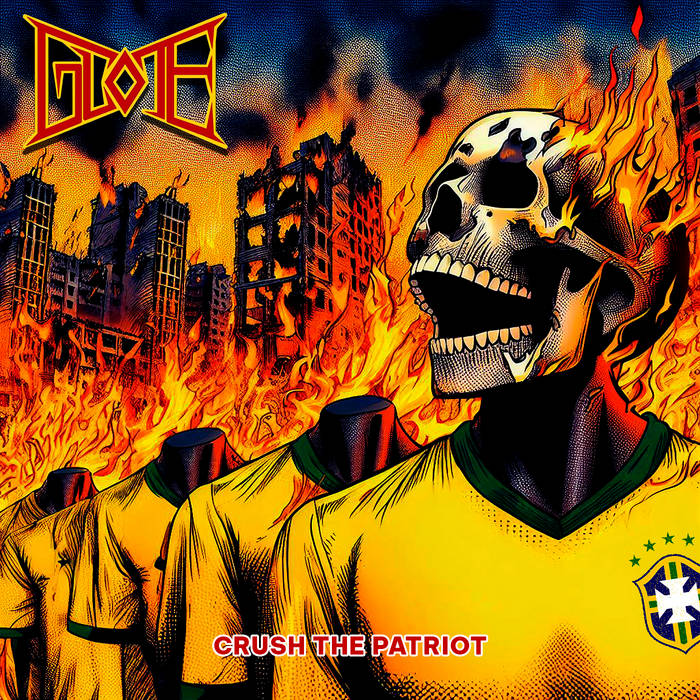
South America has its own thriving crossover and deathcore contingent chewing on that same blend of aggression and accessibility. Acts like Disomnia and A Red Nightmare represent the deathcore side of that equation, while crossover-thrash bands like Glote show that mixing hardcore energy with thrash riffing is very much alive on this continent too. If anime-metal crossovers and genre-blending records keep charting internationally, there's a real opening for South American acts working in similarly hybrid spaces to get more international attention — the audience appetite is clearly there.
Festival Safety Deserves More Conversation
Not every story this week is about music. A woman was left paralyzed after a fan fell from a tree onto her during Knocked Loose's set at Louder Than Life, severing her spinal cord; a GoFundMe has since been launched to help with her recovery. It's a horrifying reminder that festival safety — barricade design, crowd density, sightline hazards like trees and scaffolding — isn't a solved problem anywhere, including at the growing number of metal and hardcore festivals popping up across South America. As the region's live scene expands and more international touring packages start routing through here, promoters need to be thinking hard about crowd management before, not after, something goes wrong. It's a sobering counterpoint to all the excitement around metal bands touring 2026 across bigger stages and bigger crowds — bigger doesn't automatically mean safer.
Legal Trouble in the Hardcore World
Meanwhile, former Turnstile guitarist Brady Ebert has been declared mentally incompetent to stand trial on an attempted first-degree murder charge, with prosecutors hopeful he'll be able to face trial once treatment restores his competency. It's a grim story with no clean resolution yet, and it's a reminder that hardcore's rapid mainstream ascent over the last few years — Turnstile headlining amphitheaters, crossing over into indie and pop conversations — doesn't erase the messier, harder realities that can exist behind any band's history.

Where South America Fits In
None of this week's headlines originated in São Paulo, Buenos Aires, Bogotá, or Santiago, but every single story — mortality and legacy, anniversary victory laps, doom's quiet resurgence, genre-blending crossover experiments, festival safety, and the darker corners of hardcore's history — has a direct parallel somewhere in South America's own scene. The region has the bands. Progressive groove act Mayday and Argentine deathcore outfit Moana are proof there's no shortage of ambition or technical firepower on this continent. What the scene needs now is the same kind of consistent international press, anniversary programming, and safety-conscious festival infrastructure that acts overseas take for granted.
If you're in a South American band chasing that same spotlight — heavy, doom, death, black, thrash, or anything in between — don't wait for someone else to tell your story. Submit your band and help close the gap between how much great metal this continent produces and how much of it actually gets heard.