4,742 Bands, 5 Shows: The Data Gap Defining South America's Metal Scene in 2026
As of 2026-09-17, South American Metal Index indexes 4,742 bands across the continent — and just 5 upcoming shows at 4 venues. That imbalance is the single most striking number in our database this year. For every show currently listed on our upcoming shows page, there are roughly 948 bands in our index. Whatever else this data tells us about genre distribution and city-by-city band density, it also tells a story about how difficult it is to track a live circuit that spans a continent of over 12 countries, dozens of languages of local promotion, and thousands of small, often short-lived acts.
The Genre Landscape
Death Metal remains the largest tagged genre in our index, with 910 bands, narrowly ahead of Thrash Metal at 859 and Black Metal at 847. Heavy Metal trails at 408, and a cluster of smaller but still substantial categories — Death (242), Doom Metal (241), Grindcore (224), Black (198), Heavy (171), and Thrash (155) — round out the top ten. It's worth noting that some of these categories likely represent tagging variance rather than distinct scenes: bands logged simply as "Death," "Black," "Heavy," or "Thrash" are almost certainly extensions of their full-name counterparts, a reminder that genre self-identification in extreme metal is rarely tidy.
Combined, these ten genre tags account for 4,255 genre entries against 4,742 total bands — meaning the vast majority of the scene falls into a small number of well-established extreme metal categories, with Death Metal, Thrash Metal, and Black Metal alone making up the backbone of the region's identity. Browse the Death Metal bands, Thrash Metal bands, or Black Metal bands directly in our index.
| Rank | Genre | Band Count |
|---|---|---|
| 1 | Death Metal | 910 |
| 2 | Thrash Metal | 859 |
| 3 | Black Metal | 847 |
| 4 | Heavy Metal | 408 |
| 5 | Death | 242 |
| 6 | Doom Metal | 241 |
| 7 | Grindcore | 224 |
| 8 | Black | 198 |
| 9 | Heavy | 171 |
| 10 | Thrash | 155 |
Where the Bands Are
São Paulo dominates our city rankings with 460 bands, nearly double the second-place city. Buenos Aires follows at 227, then Rio de Janeiro at 212, and Santiago at 165. Curitiba (110), Belo Horizonte (106), and Brasília (94) form a second tier of mid-sized Brazilian hubs, while Fortaleza (64), Recife (62), and Porto Alegre (60) close out our top ten.
Brazilian cities occupy seven of the top ten slots, which is consistent with Brazil's outsized share of the region's population and its long, well-documented relationship with extreme metal going back to the 1980s. Buenos Aires and Santiago are the only non-Brazilian cities to crack the top ten, standing in for Argentina and Chile respectively as single dominant metropolitan centers in our index.
Combined, these ten cities account for 1,560 bands — about a third of our total 4,742 — which means two-thirds of the scene is distributed across smaller cities, towns, and municipalities not large enough to individually rank. That's a meaningful data point on its own: South American metal is not just a handful of capital-city scenes, it's a long tail spread across the continent.
| Rank | City | Band Count |
|---|---|---|
| 1 | São Paulo | 460 |
| 2 | Buenos Aires | 227 |
| 3 | Rio de Janeiro | 212 |
| 4 | Santiago | 165 |
| 5 | Curitiba | 110 |
| 6 | Belo Horizonte | 106 |
| 7 | Brasília | 94 |
| 8 | Fortaleza | 64 |
| 9 | Recife | 62 |
| 10 | Porto Alegre | 60 |
Every city in our top ten currently shows 0 tracked shows. That's not evidence that no shows are happening in São Paulo or Buenos Aires — it reflects the current state of our show-tracking coverage relative to our band-tracking coverage, which we address below.
The Class of 2026
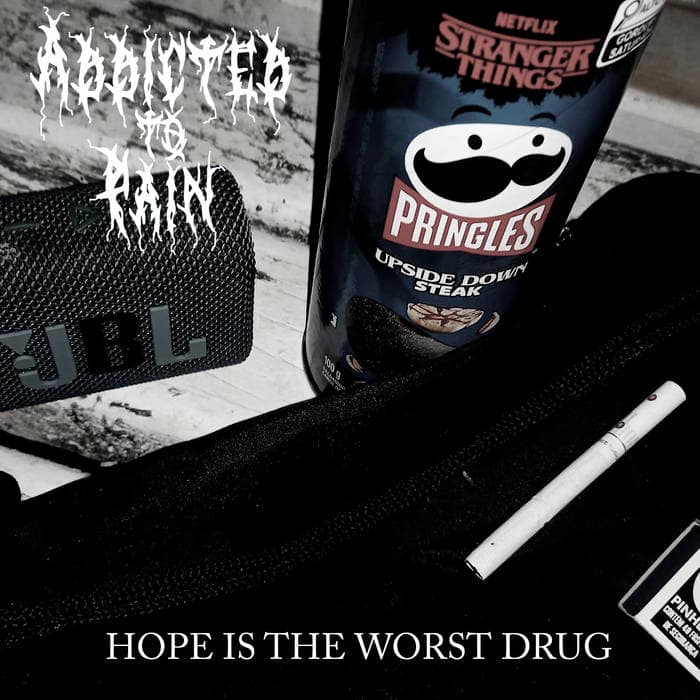
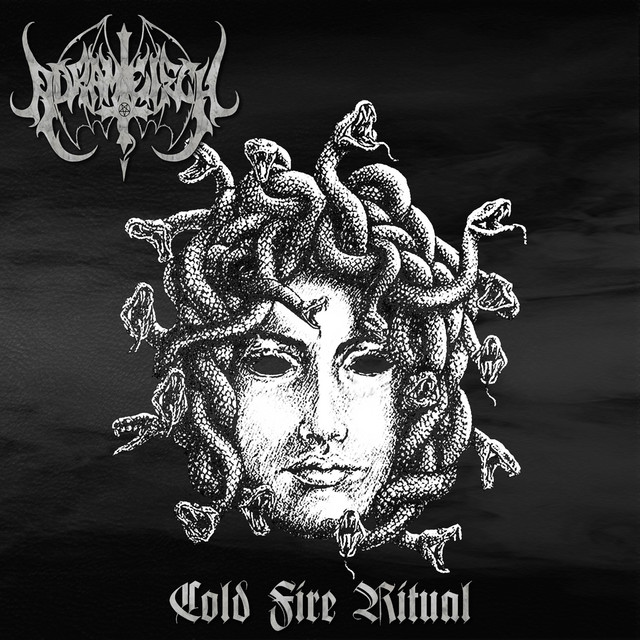
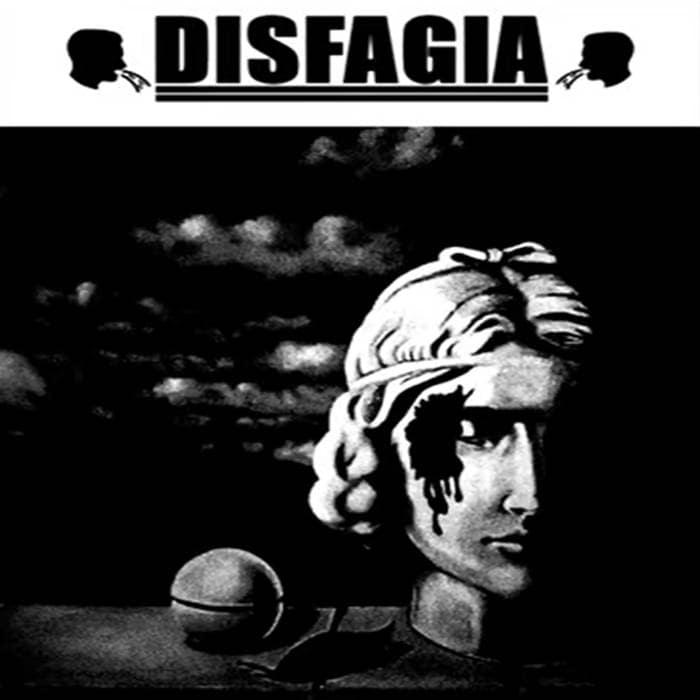
Five bands in our index list a formation year of 2026, making them the newest acts currently tracked: Addicted to Pain, Adrammelech, Anhedonia, Circle of Fear, and Disfagia. The naming conventions here are worth a note in themselves — "Anhedonia" and "Circle of Fear" both carry country-code suffixes in their slugs (-br and -ar), suggesting these band names are common enough that our index needed disambiguation, likely from bands of the same name elsewhere in the world or region.
A Scene Built on Bands, Not Yet on Shows
The core finding of this data pull is the gap between band density and show/venue density. With 4,742 bands and only 4 venues and 5 upcoming shows currently indexed, South American Metal Index's live-event coverage is, at this stage, a small fraction of its band coverage. This isn't a statement about the health of the live scene itself — it's a statement about where our data collection currently stands. Band data can be built from long-running databases, archives, and self-reported histories; show and venue data depends on continuously updated, time-sensitive listings that go stale within weeks. As we expand our upcoming shows coverage, we expect this ratio to shift substantially, and we'll revisit these numbers in future posts to track that change.
Methodology
All figures in this article are drawn directly from South American Metal Index's own database of bands, shows, and venues, as of 2026-09-17. Band counts reflect entries currently indexed on the platform, including genre tags as self-reported or catalogued at the time of entry. City-level band counts reflect the city listed in each band's profile. Genre counts reflect primary and secondary genre tags where duplicative or overlapping tags (e.g., "Black" versus "Black Metal") may represent inconsistent tagging rather than distinct genres. Show and venue counts reflect listings active in our system at the time of writing and are expected to change as our show-tracking coverage expands.
Frequently asked questions