Última Esperanza, A.I. Thrash Ethics, and Live Album Legacy: What This Week's Global Metal News Means for South America
Sometimes the most interesting connection between the global metal machine and the South American underground isn't a tour date or a signing — it's a place name. This week, German post-metal titans The Ocean dropped the music video for "Ultima Esperanza," and for anyone who's spent time studying a map of southern Chile, that title lands differently. Última Esperanza is a real province in the Magallanes region, gateway to Torres del Paine, named centuries ago by explorers who ran out of options and options ran out of them. The band describes the track as being about "the intrinsically human notion of hope as the driving force behind all explorative endeavours, and loss thereof" — and whether or not the songwriters intended the direct geographic nod, the resonance with a region defined by vast, unforgiving landscapes and stubborn hope isn't lost on us.
It's a small thing, but it's the kind of detail that reminds you how porous the borders of metal culture really are. A German progressive/post-metal band can reach into Patagonian geography for imagery, while bands from that very same geography are grinding out demos in home studios from Punta Arenas to Bogotá, mostly unheard by the international press that covers acts like The Ocean. That gap — between the visibility of European and North American acts and the actual scale of what's happening here — is basically the whole reason this index exists.
The A.I. Question Hits Thrash Where It Lives
Exhorder frontman Kyle Thomas, a name synonymous with the foundational thrash/groove crossover that fed directly into what became death metal's more percussive wing, weighed in this week on artificial intelligence in the arts. Thomas said plainly that he doesn't "have a strong desire to use it," pushing back against the growing number of peers who've admitted to leaning on A.I. for cover art, posters, even songwriting assistance.
"I don't have a strong desire to use it." — Kyle Thomas, Exhorder
This isn't an abstract debate for South America's thrash and death metal underground. This region has built entire scenes — from Colombia's groove-thrash circuit to Brazil's death metal lineage — on the strength of DIY cover art, tape-trade aesthetics, and hand-drawn logos that carry as much identity as the riffs themselves. Bands like the Colombian groove/thrash and hardcore outfit Inmemorial, the Chilean death/thrash act Voraginem, and thrash-leaning groups like Lipthopia and Tean Zu operate in a scene where visual identity is inseparable from credibility. When a veteran of Exhorder's stature — a band whose 1990 debut is regularly cited among the genre's foundational statements — publicly resists the A.I. shortcut, it validates something a lot of South American bands already practice out of necessity and principle: doing it yourself, badly or beautifully, because it's real.
Live Albums as Archival Statements
Progressive thrash pioneers Blind Illusion announced "Stage Flight: Live At The UC Theatre," a live album due October 16, 2026, capturing a 2025 performance that reunited the band with original vocalist David White. It's a reminder that documentation matters — that a scene's history isn't preserved by algorithms or streaming metadata but by bands and labels choosing to formally capture a moment before it's gone.
South America has its own deep well of heavy and progressive metal history that deserves the same treatment. Acts working in heavy and progressive metal traditions — think of bands like Jack the Joker or the progressive/heavy metal project Molitium — are part of a lineage that includes some of the region's most technically ambitious songwriting, often performed for crowds a fraction the size of what a UC Theatre show draws, yet with no less conviction. If Blind Illusion's live document proves anything, it's that a great performance recorded properly can outlive the venue, the lineup, even the era it came from. That's a lesson worth internalizing for promoters and labels across the region as more South American shows get professionally filmed and archived rather than left to shaky phone footage.
Touring Season 2026: The Routing Question
Amorphis and Insomnium confirmed a fall co-headlining run through North America with Hinayana opening, adding to an already stacked calendar of metal bands touring 2026 that includes Sleep, Zombi, Pink Mountaintops, and Mac Sabbath crisscrossing the same continent, plus Darkest Hour readying their new album "Suffer Divine" for an October 30 release via MNRK Heavy. It's a good year to be a North American or European metal fan with disposable income and a valid passport for the occasional festival hop.
For South American audiences, these announcements always carry a familiar sting — the recognition that a co-headlining melodic death metal tour of this caliber, pairing two of Finland's most respected exports, is extremely unlikely to route through Bogotá, São Paulo, Santiago, or Buenos Aires, even though promoters here have proven repeatedly that demand exists. It's part of why building out the region's own infrastructure matters so much. Every time a local promoter lands a legitimate international act, or a domestic package tour proves it can sell tickets across multiple cities, it chips away at the assumption that South America is an afterthought on the routing sheet. Keep an eye on upcoming shows in your area — supporting the undercard now is how you get the headliners later.
Filling the Coverage Gaps: Black, Death, Heavy, Thrash, Speed
We've been auditing our own coverage here at South American Metal Index, and the numbers don't lie: our database is packed with death, black, heavy, thrash, and speed metal bands from across the continent that haven't had a single feature dedicated to them. That's on us, and it's changing. This week's global headlines — an Exhorder frontman talking craft integrity, a live thrash album from genre pioneers, post-metal explorers naming a track after a Chilean province — are as good an excuse as any to point a spotlight back home.
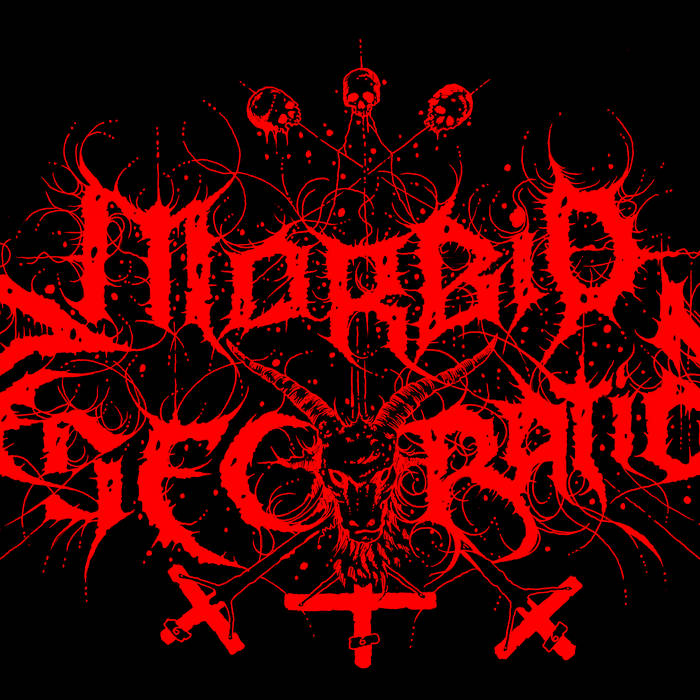
Brazil alone is home to a startling density of black and death metal talent, from the black/death act Morbid Desecration to the grindcore-inflected Koma and the raw black metal of Incredulos. Chile's black and speed metal underground includes acts like Colapsus, working the black/speed/thrash intersection that's defined so much of the country's extreme metal identity since the genre's earliest South American waves. Colombia contributes atmospheric black metal through Ramirik, while heavy and power/speed metal traditionalists like Lightyears keep the NWOBHM-descended flame burning for anyone who still measures a set by how many double-kick fills fit into four minutes.

None of these bands are chasing the same headlines as Amorphis or Darkest Hour, and that's fine — the point isn't to manufacture false equivalence. It's to recognize that the same forces shaping the conversation at the top of the metal world — questions about authenticity versus A.I., about how to properly document a live performance, about what it takes to get a tour routed through unfamiliar territory — are exactly the same forces shaping decisions being made in home studios and small clubs from Medellín to Montevideo.
Why This Matters Going Into Next Year
Every list of the best metal bands or best metal albums of all time gets written from wherever the writer happens to be standing, and for decades that's meant Europe and North America by default. But the raw material for the next generation of new metal bands 2026 will bring isn't confined to those regions. It's being built right now in rehearsal spaces across this continent, often without the benefit of co-headlining tour slots, variant comic covers, or royal decorations — just riffs, conviction, and the same stubborn hope that gave a remote Chilean province its name generations ago.
If you're in a band grinding through that process — writing, recording, playing whatever room will have you — we want to hear about it. Submit your band and help us keep building a more complete picture of what South American metal actually sounds like in 2026, one scene report at a time.