While Rush and Judas Priest Fill Arenas on YouTube, South America Builds Its Own Stages

There's a particular kind of ache that comes with watching a full concert video from a band that will probably never route a South American date again. This week it's two of them at once: a drum-cam upload of RUSH's July 28th Madison Square Garden show with new drummer Anika Nilles behind the kit, and a full soundboard-quality video of JUDAS PRIEST tearing through "War Pigs," "You've Got Another Thing Comin'" and "Breaking the Law" in Warsaw on the Faithkeepers tour. Both clips are a gift to anyone obsessed with the mechanics of arena-level heavy metal. Both are also a reminder that when it comes to the biggest 80s metal bands still active, the tour map rarely bends south of the equator without a serious promoter's push.
That gap is exactly why the South American metal scene has spent decades building its own infrastructure instead of waiting for it. It's worth sitting with that contrast this week, because the same news cycle that gave us archival-grade Rush and Priest footage also delivered a stack of festival and reissue news that says a lot about where heavy music is heading globally in 2026 — and where the region fits into it.
The Denver Lineup and the Touring Math Problem
The newly expanded bill for 2026's Decibel Metal and Beer Fest in Denver is a genuinely stacked one: grind veterans Pig Destroyer, New York hardcore institution Cro-Mags, the tech-adjacent heaviness of Intronaut, and Seattle's Black Breath joining a Down and Suicidal Tendencies co-headline. It's the kind of lineup that would sell out a venue in São Paulo or Buenos Aires in an afternoon if it ever crossed the equator — and that's the frustrating math South American promoters deal with constantly. Freight costs, visa logistics, and the assumption that a South American leg is a "bonus" rather than a core stop mean festivals like this stay firmly in the U.S. touring circuit.
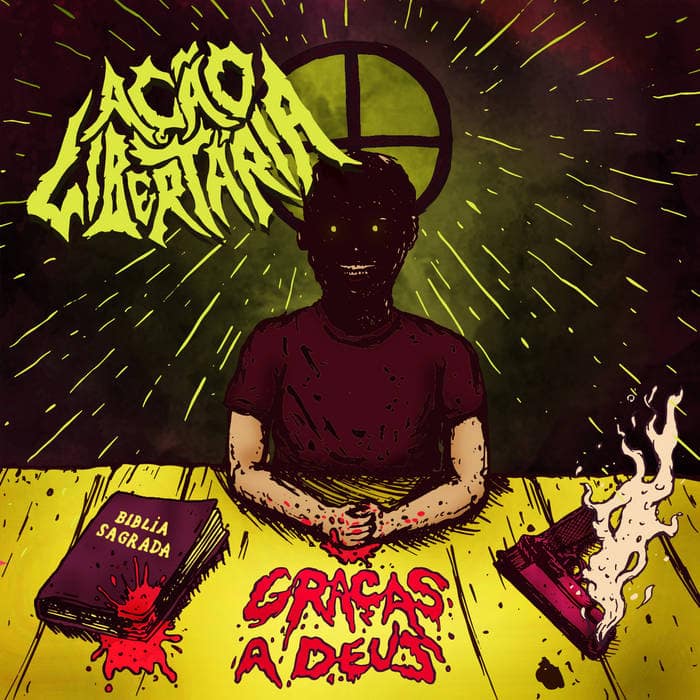
What it does do, though, is set a template. Suicidal Tendencies and Down's crossover thrash-meets-groove pairing is basically a blueprint that regional bills already understand instinctively — pairing a hardcore-rooted act with a heavier, sludgier headliner to pull multiple crowds into one room. It's a formula worth watching for anyone booking metal bands touring 2026 across Brazil, Argentina, and Chile, where crossover thrash has deep, unbroken roots. Thrash-leaning acts like Ataque Violento and Agressive, or crossover specialists Ação Libertária, are working from the same DNA that built the Cro-Mags' catalog and the entire Bay Area/Suicidal Tendencies lineage. If you want to see where that sound lives locally right now, upcoming shows across the region are as good a starting point as any.
Machine Head's Reissue and the Groove Metal Family Tree
Machine Head announcing a 15th anniversary vinyl and CD reissue of Unto the Locust, limited to 1,500 copies worldwide, is a small piece of news on its own, but it's worth zooming out on. Unto the Locust sits in that lineage of groove-forward, technically ambitious metal that owes an obvious debt to Brazilian pioneers — and it's impossible to talk about groove metal's global reach without acknowledging that Sepultura effectively wrote the syllabus decades before American bands like Machine Head picked up the same tools. Anniversary reissues like this tend to spark renewed conversation about where the genre's foundational texts came from, and any serious list of the best metal albums of all time has to reckon with the fact that some of groove and thrash metal's most influential records were made in Belo Horizonte, not Los Angeles or the Bay Area.
That lineage is alive and well in the region's current death and thrash underground. Death metal veterans Krisiun continue to carry the technical-brutality torch that Brazilian bands have owned internationally for years, while newer generation acts like Possessdeath, Atropina, and Desideratum are pushing death metal's melodic and doom-adjacent edges. If you're building a mental list of new metal bands 2026 worth tracking, the South American death metal underground deserves to be on it — the genre accounts for hundreds of bands in this region's index alone, and coverage of it is long overdue.
Nostalgia Tours and the 80s Metal Blueprint
Elsewhere in the touring world, Eyes Set To Kill's newly announced "Guilty Pleasures Tour" with Sicksense and Twist It is built entirely around playing fan favorites rather than pushing new material — a format that's become increasingly common as bands lean into nostalgia-driven setlists. It's not a coincidence that this trend is surging at the same moment Rush and Judas Priest footage from 2025-26 tour dates is going viral among fans who grew up on cassette tapes. The appetite for legacy-act nostalgia isn't slowing down, and it's shaping how younger bands package their own back catalogs.
South American promoters have been running this playbook for years out of necessity — when the international 80s metal bands don't route through the region, local heavy metal acts fill that nostalgia gap themselves. Heavy metal specifically remains one of the most underserved genres in terms of regional media coverage despite a deep bench of active bands. Acts like Hëiligen, Vox Heaven, and Father's Face are carrying that torch, working in the same tradition of riff-driven, vocal-forward heavy metal that built Judas Priest's catalog in the first place. When a full Priest concert circulates online with "Metal Gods" and "Breaking the Law" back to back, it's a genuinely useful reference point for what makes the genre's best heavy metal songs endure — hooks married to muscle, no filler.
The Comeback Album Trend and What It Means Locally
Colepitz's announcement of The Time Between — their first album since 2010 — is a small but telling data point in a broader pattern of bands returning from long hiatuses with fully-formed comeback records rather than quiet reunion shows. It mirrors a mood across heavier music right now: bands that went dormant for a decade-plus are finding audiences hungry for their return, whether that's a legacy alt-metal act or a black metal project that went quiet after one demo. The South American underground has no shortage of bands built on exactly that kind of patience and long-game persistence, and it's a dynamic worth watching as more dormant regional projects potentially resurface in 2026.
Filling the Coverage Gap
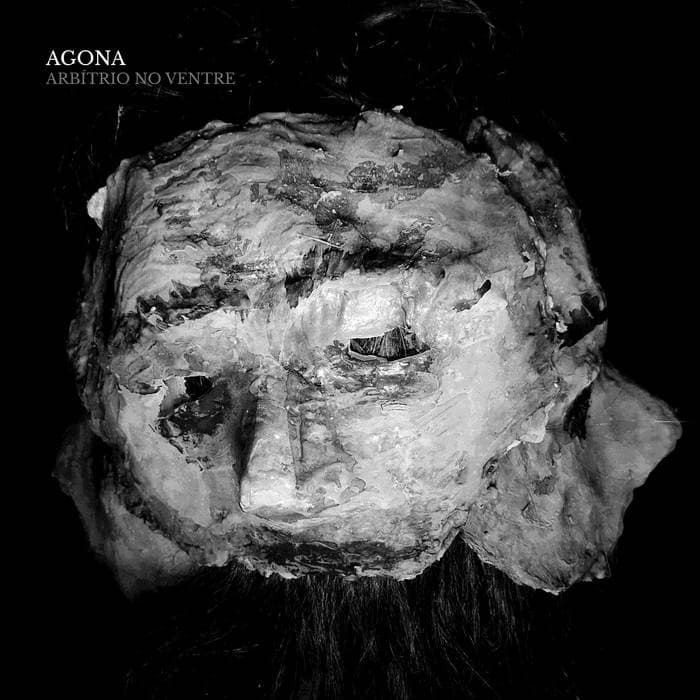
All of this points to something the South American Metal Index has been sitting on for a while: entire genres in this region's own database have had essentially zero dedicated coverage until now, despite massive band counts. Black metal alone represents nearly 200 indexed bands, and that scene includes atmospheric and raw acts like Vobiscum Inferni, Black Grail, Blood Rites, and My Immortal Beloved, alongside genre-blenders pushing into blackened death territory like Najash. Thrash metal, at over 150 bands strong regionally, includes everything from straightforward crossover to more technical, progressive variants like Ágona and The Death Season.
The point isn't that every regional band deserves a headline tie-in to whatever's trending in North America or Europe this week. It's that the region's scene is dense, active, and criminally under-covered relative to its actual size — a gap this outlet intends to keep closing, one genre at a time. If your band is part of that story and isn't in the index yet, submit your band — the goal here is to make sure the next time a major festival lineup or reissue announcement makes global metal news, there's a clear line drawn back to what's happening in the clubs, squats, and basements from Lima to Porto Alegre.