International Touring Disruptions and Creative Resilience Define Heavy Music's Mid-2026 Landscape
The heavy music world continues navigating a complex landscape of disrupted touring schedules and creative renewal as 2026 reaches its midpoint. From last-minute drummer substitutions to weather-cancelled festival sets, the international circuit faces ongoing challenges that underscore the resilience required in today's metal scene—lessons that South American extreme metal communities know all too well.
Lineup Changes Test Touring Resilience
The domino effect of lineup changes continues plaguing major tours across multiple continents. Black Veil Brides' European dates now proceed with Wade Murff behind the kit, stepping in for Christian Coma in what's become an increasingly common scenario for international touring acts. Similarly, progressive metal legends Savatage have enlisted Blas Elias as their touring drummer, demonstrating how veteran acts adapt to personnel challenges through their extensive professional networks.
These disruptions reflect broader instability within the global touring infrastructure, where visa complications, health issues, and scheduling conflicts create cascading effects across entire festival circuits. For South American metal bands seeking international exposure, these challenges represent both obstacles and opportunities—as substitute musicians often bring fresh energy to established acts, proven performers from the region's underground scenes could find unexpected pathways onto major stages.
The festival circuit itself faces mounting pressure from external forces beyond band control. Governor's Ball's weather-related cancellations, cutting short performances by artists including Blood Orange, highlight how environmental factors increasingly impact outdoor events. These disruptions cost promoters significant revenue while disappointing fans who've invested time and money in festival experiences.
Creative Renewal Amid Industry Turbulence
Despite logistical challenges, several veteran acts push forward with new creative projects. Breaking Benjamin's confirmation that their follow-up to 2018's "Ember" is complete signals renewed productivity from the alternative metal stalwarts. The band's steady output over nearly two decades provides a model for sustained creativity that resonates with South American metal bands navigating their own career trajectories.
Evanescence's Amy Lee recently expressed optimism about heavy music's innovative potential, emphasizing the genre's continued evolution beyond traditional boundaries. Her perspective validates the experimental approaches that have long characterized the South American metal scene, where bands frequently blur lines between extreme subgenres and incorporate regional musical elements.
The creative landscape also witnesses controversial returns, as Jon Schaffer of Iced Earth announced his return to guitar playing following his legal troubles related to the January 6 Capitol riot. His statement about feeling "creative energy starting to swell" raises questions about accountability and redemption within metal communities—discussions that South American scenes, with their histories of political upheaval and resistance, approach with particular nuance.
Veteran Acts Maintain Festival Momentum
Established acts continue delivering powerful festival performances across European summer circuits. Yngwie Malmsteen's Sweden Rock Festival appearance showcased the enduring appeal of neoclassical metal virtuosity, while black metal pioneers Venom proved their lasting influence with their own Sweden Rock set. These performances by foundational extreme metal acts provide inspiration for younger South American bands, particularly black metal acts like Primordial Idol who draw from similar dark, aggressive foundations.
David Lee Roth's Van Halen classics performances at Stone Pony's Summer Stage demonstrate how legacy material continues attracting audiences decades after its creation. This longevity offers hope for South American metal veterans who've built substantial catalogs but may lack the same international recognition as their North American or European counterparts.
Underground Scenes Navigate Boundary-Pushing Territory
The underground continues testing limits of audience participation and performer-fan interaction. Reports from End It's Toronto show, where audience members were encouraged to tear apart a fan's banana costume, highlight ongoing tensions around consent and safety in heavy music spaces. These incidents underscore the importance of establishing clear boundaries and mutual respect—values that many South American hardcore and extreme metal communities have prioritized in response to their own scene-building challenges.
Canadian metal veterans Kittie launched their first full North American headlining tour in over a decade, celebrating 30 years of boundary-breaking heavy music. Their longevity and influence inspire South American metal musicians, particularly female-fronted acts seeking to establish their own lasting careers in male-dominated extreme metal subgenres.
Regional Innovation Continues Global Influence
While international headlines focus on established acts and major festivals, the innovative spirit driving South American extreme metal scenes continues influencing global heavy music development. The region's approach to authentic expression—blending political consciousness, cultural identity, and musical experimentation—increasingly appears in international metal acts seeking deeper artistic meaning.
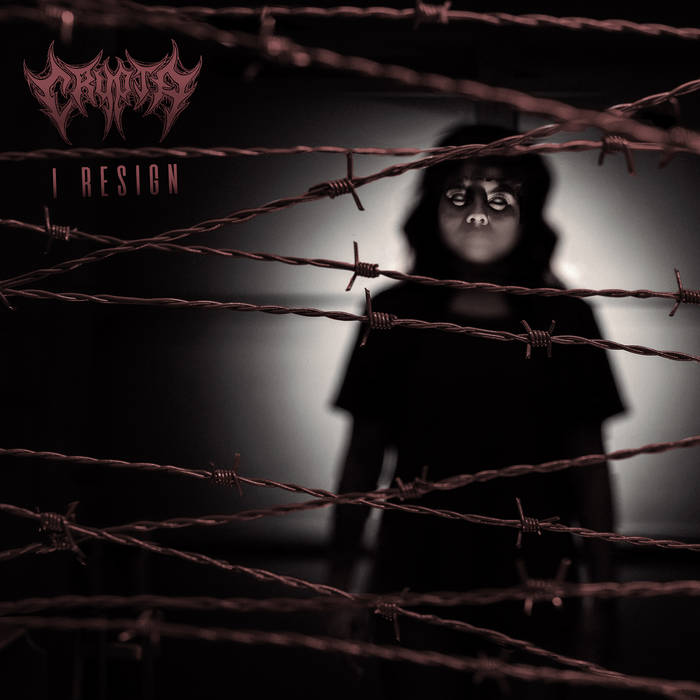
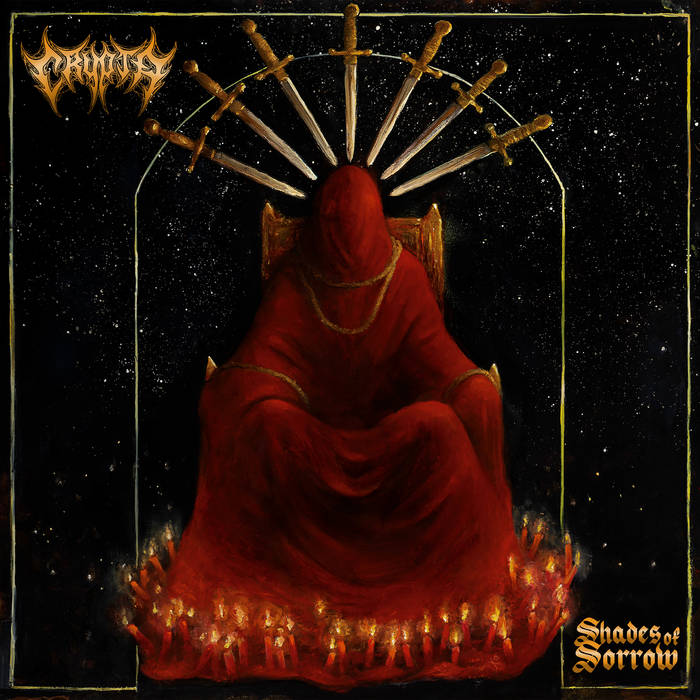
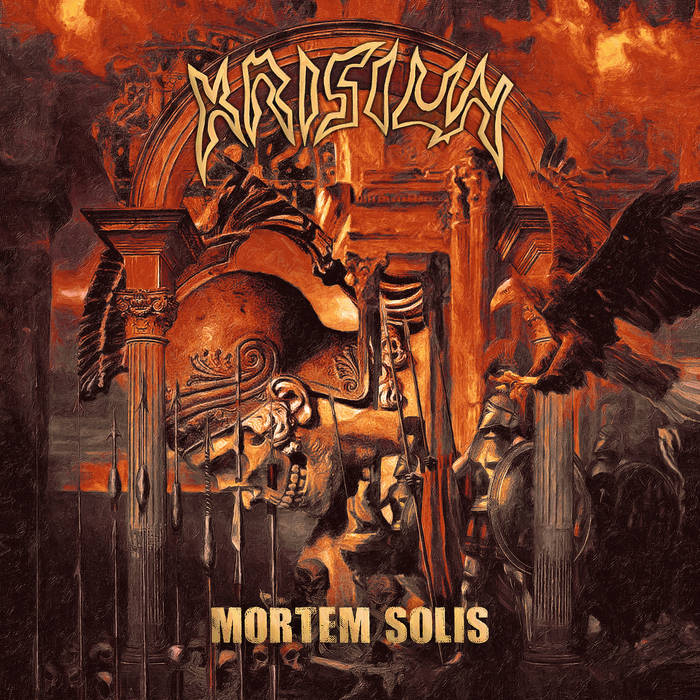
Brazilian death metal titans like Krisiun have long demonstrated how technical proficiency and cultural authenticity can coexist, providing templates for sustainable international careers that don't compromise artistic integrity. Similarly, emerging death metal acts like Crypta showcase how South American extreme metal continues pushing creative boundaries while maintaining the genre's foundational aggression.
The emphasis on community protection and authentic expression within South American metal scenes offers valuable lessons as the global metal community grapples with questions of accountability, artistic freedom, and scene sustainability. These conversations become increasingly relevant as veteran musicians return from controversies and younger acts navigate complex industry dynamics.
Looking Toward Festival Season's Second Half
As European festival season continues and South American winter venues prepare for increased indoor show activity, the metal community's ability to adapt and persevere remains its greatest strength. The combination of veteran acts maintaining their creative edge, underground scenes pushing boundaries, and festival circuits adapting to ongoing challenges creates opportunities for innovative artists regardless of their geographic origins.

For South American metal bands monitoring these international developments, the current landscape offers both cautionary tales and inspirational examples. The importance of reliable professional networks, weather contingency planning, and clear scene boundaries becomes evident through others' experiences, while the continued success of veteran acts proves that sustained creativity and authentic expression can overcome industry turbulence.
The global metal scene's current state of creative renewal amid logistical challenges mirrors dynamics that South American metal communities have navigated for decades. As international acts adapt to new realities, the innovative approaches and community-focused values that characterize regional extreme metal scenes may prove increasingly influential in shaping heavy music's future direction.