Legacy Band Social Media Blackouts and Cover Song Archive Releases Drive Metal's Digital Mystery Strategy Evolution

The digital landscape of heavy metal is experiencing a fascinating transformation, as established bands embrace mysterious social media strategies while legendary musicians simultaneously open their personal archives to fans. This dual approach—creating intrigue while revealing history—reflects a sophisticated understanding of fan engagement that mirrors the authentic connection strategies South American metal acts have cultivated through decades of underground community building.
The Power of Digital Disappearance
When established bands completely black out their social media presence, they're employing a reverse psychology approach that generates more buzz than traditional promotional campaigns. This strategy recognizes that in an oversaturated digital environment, absence can be more powerful than presence. The complete social media silence creates a vacuum that fans naturally fill with speculation and anticipation.
This approach validates the community-focused strategies that South American metal has always embraced. Rather than relying on constant digital noise, bands across Argentina, Brazil, Chile, and Colombia have historically built lasting connections through authentic engagement and meaningful content. Acts like Backbone and other progressive death metal pioneers understand that genuine fan investment comes from substance, not frequency.
The mystery campaign strategy also demonstrates how mature bands understand their audience psychology. After decades in the scene, they recognize that their established fanbase craves authentic experiences over manufactured hype. This mirrors the approach of South American heavy metal veterans who have built multi-generational followings through consistent quality rather than promotional gimmicks.
Archive Releases and Musical Archaeology
Simultaneously, the metal world is witnessing unprecedented access to artists' personal archives. When established musicians release collections of previously unreleased cover versions spanning diverse genres—from progressive rock to pop classics to foundational metal tracks—they're offering fans intimate glimpses into their creative development and influences.
These archive releases serve multiple purposes beyond fan service. They demonstrate the breadth of influences that shape metal musicians, revealing the genre's connections to broader musical traditions. When metal artists cover everything from alternative rock to country classics, they're showcasing the stylistic diversity that informs their primary work.
For South American metal acts, this trend toward musical transparency offers valuable lessons in fan engagement. Bands like Fishead and other progressive metal innovators can leverage their diverse cultural influences—incorporating everything from traditional South American rhythms to international metal styles—to create similarly compelling archive content that showcases their artistic range.
Official Recognition and Genre Legitimacy
The metal community is also celebrating unprecedented institutional recognition, with government bodies acknowledging metal's cultural significance and artistic contributions. This official validation represents a milestone for a genre that has historically operated outside mainstream acceptance, recognizing metal's role as a legitimate artistic movement with lasting cultural impact.
Such recognition carries special significance for South American metal scenes, which have often developed in relative isolation from international industry attention. The acknowledgment of metal's artistic legitimacy creates opportunities for continental acts to gain broader recognition for their contributions to the genre's evolution. South American black metal pioneers like Despot and thrash innovators have been crafting influential material for decades without widespread institutional recognition.
This trend toward official acknowledgment also validates the artistic approaches that South American metal has always embraced—treating the genre as serious artistic expression rather than mere entertainment. The region's emphasis on technical proficiency, conceptual depth, and cultural authenticity aligns perfectly with this new era of metal legitimacy.
Fan Investment and Stylistic Evolution
Industry veterans are increasingly vocal about the importance of treating fans as genuine investors in artistic journeys rather than mere consumers. This philosophy recognizes that dedicated metal fans don't just purchase albums—they invest emotionally in bands' long-term creative development, supporting artistic evolution even when it challenges their preferences.
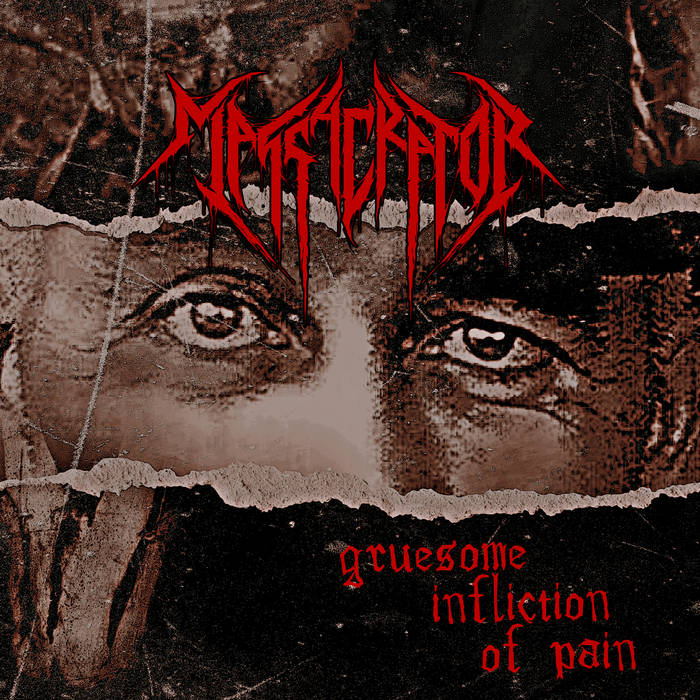
This fan-as-investor model resonates deeply with South American metal traditions, where underground scenes have always operated on principles of mutual support and community investment. Bands like Massacration have built careers through direct community engagement, understanding that lasting success comes from authentic relationships rather than temporary commercial appeal.
The concept also validates the experimental approaches that characterize much South American metal. When international metal leaders acknowledge that stylistic shifts inevitably lose some fans while gaining others, they're validating the creative risks that continental acts have been taking for decades. South American metal's willingness to blend traditional influences with extreme metal innovations exemplifies this fan-investment approach.
Unique Artistic Identity in a Saturated Market
Perhaps most intriguingly, veteran international metal acts are beginning to question why, after decades of influence, so few bands directly emulate their signature approaches. This observation highlights the challenge of maintaining unique artistic identity in an increasingly saturated metal landscape, where countless bands compete for attention across every conceivable subgenre.
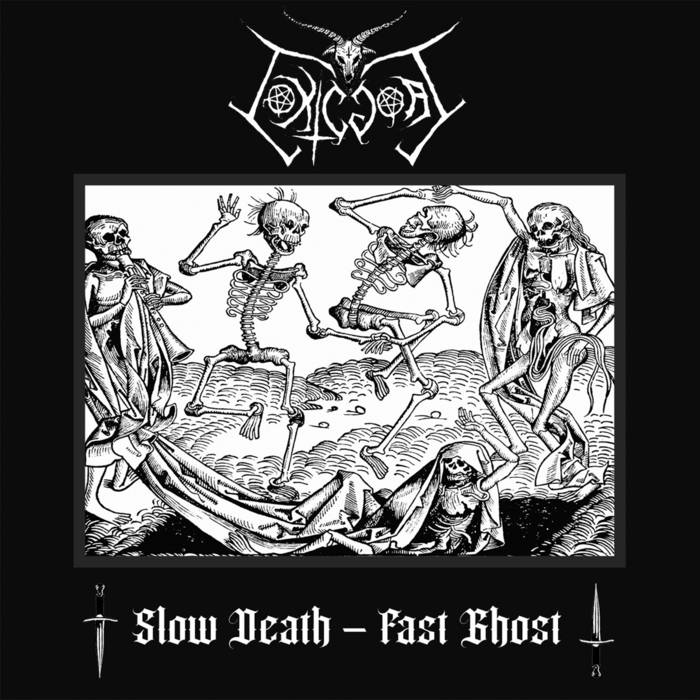
This commentary on artistic originality holds particular relevance for South American metal, which has always operated somewhat outside direct international influence chains. Geographic and cultural distance has forced continental acts to develop distinctive approaches rather than simply copying established international templates. Acts like Toxic Goat in black/thrash metal demonstrate how South American bands naturally develop unique sonic identities through independent evolution.
The question of artistic influence also validates South America's role as a genuine creative force rather than a mere recipient of international trends. As global metal becomes increasingly standardized, the distinctive approaches developed across Argentina, Brazil, Chile, and Colombia become more valuable as sources of genuine innovation.
International Touring and Cultural Exchange
The current international touring landscape reveals increasing sophistication in cross-cultural musical programming, with experimental electronic artists joining traditional metal acts for unique collaborative experiences. This trend toward genre-blending live presentations creates opportunities for South American acts to showcase their naturally hybrid approaches to metal innovation.
Such collaborative touring models validate the experimental approaches that South American metal has always embraced by necessity. Limited access to international metal scenes forced continental acts to develop creative solutions and hybrid approaches that now appear ahead of their time. The region's experience with resourceful innovation and cultural fusion positions it perfectly for this new era of collaborative metal presentation.
Looking Forward: Digital Strategy and Artistic Authenticity
The convergence of mysterious digital marketing, archive transparency, and fan investment philosophy suggests that successful modern metal requires balancing intrigue with authenticity. Bands must create compelling mysteries while simultaneously demonstrating genuine artistic depth and cultural connection.
For South American metal, this moment represents unprecedented opportunity. The international scene's movement toward authentic fan investment, experimental collaboration, and unique artistic identity validation plays directly to the strengths that continental metal has developed through decades of independent evolution. As global metal seeks more genuine approaches to fan engagement and artistic development, South America's naturally authentic strategies become increasingly valuable.
The current trends suggest that the future belongs to metal acts capable of balancing mystery with transparency, innovation with tradition, and local authenticity with international appeal—exactly the combination that South American metal has been perfecting for generations.