Sepultura's Derrick Green Launches New Project as South American Metal Leadership Evolution Accelerates
The announcement of Sepultura frontman Derrick Green's new musical venture signals a pivotal moment in South American metal's leadership evolution, highlighting how the region's most established acts are expanding their creative horizons while maintaining deep roots in the continental scene that shaped modern extreme metal.
Green's decision to launch an additional project comes at a time when South American metal is experiencing unprecedented global recognition, with the continent's innovative approach to extreme metal finally receiving the international attention it has long deserved. This development represents more than just another side project from a veteran musician—it reflects the entrepreneurial spirit that has driven South American metal's underground networks for decades.
Leadership Expansion in South American Metal Networks
The timing of Green's announcement coincides with a broader trend of creative expansion among South American metal veterans. This movement reflects the maturity of the continental scene, where established artists are leveraging their experience to explore new creative territories while maintaining their core commitments.
South American metal has always thrived on this multi-project approach, with musicians frequently collaborating across national borders and genre boundaries. The region's geographic and cultural diversity has created a natural environment for artistic exploration, where Brazilian death metal musicians collaborate with Argentine black metal acts, and Colombian thrash bands incorporate elements from Chilean doom practitioners.
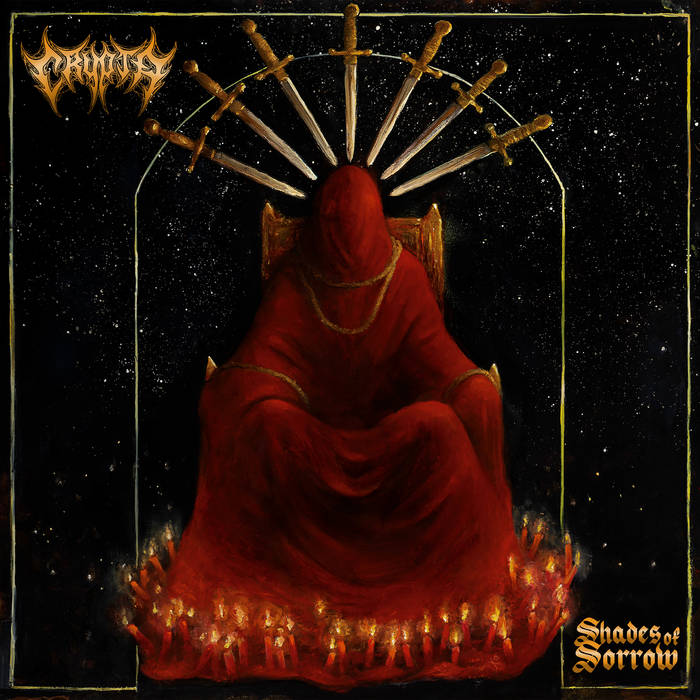
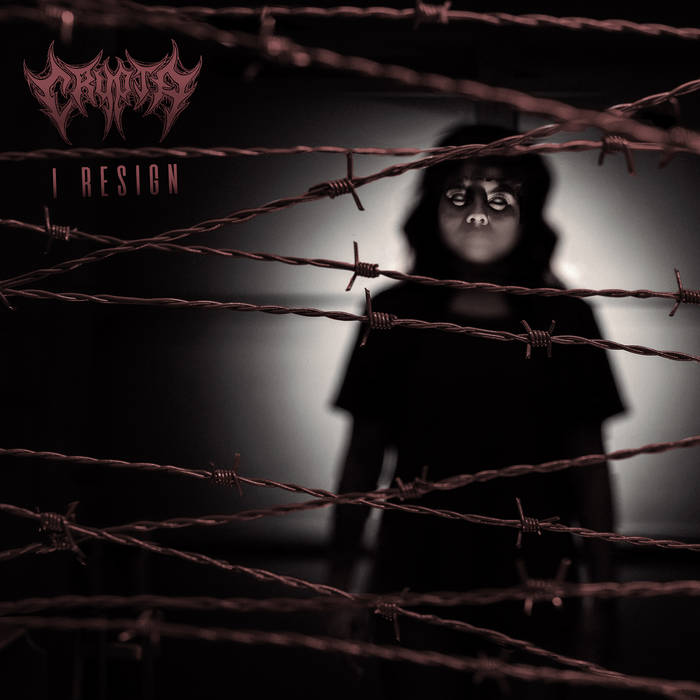
The entrepreneurial model that Green represents has been perfected by countless South American metal acts who have navigated independent music careers without major label support. Bands like Crypta have demonstrated how South American metal artists can maintain multiple creative outlets while building international recognition through strategic collaboration and authentic artistic vision.
International Metal Scene Developments Impact Regional Networks
Recent developments in the international metal scene create new opportunities for South American artists to expand their creative reach. The growing acceptance of diverse musical approaches, combined with improved global distribution networks, provides established South American metal veterans with unprecedented freedom to explore multiple creative projects simultaneously.
Iron Maiden's recent performance of "Infinite Dreams" for the first time in three decades demonstrates how legacy acts are embracing creative risks and exploring deeper catalog material. This approach validates the experimental tendencies that South American metal has always embraced, where bands regularly perform rare material and explore unconventional setlist choices to maintain creative vitality.
The authenticity debates surrounding live performance, particularly regarding backing tracks and pre-recorded elements, also reinforce the organic approach that South American metal has maintained throughout its development. The region's emphasis on genuine musicianship and live performance integrity aligns perfectly with current discussions about artistic authenticity in metal.
Multi-Project Strategies in South American Extreme Metal
Green's new venture reflects a strategic approach that South American extreme metal acts have employed for years: maintaining multiple creative outlets to explore different aspects of heavy music while building diverse audience connections. This model has proven particularly effective in the South American context, where limited commercial infrastructure requires artists to create multiple revenue streams and creative opportunities.
The success of this approach can be observed throughout the continental scene, where musicians frequently participate in multiple bands across different extreme metal subgenres. Black metal practitioners often maintain doom or sludge projects, while death metal veterans explore thrash or progressive territories. This creative flexibility has become a defining characteristic of South American metal's innovative approach.
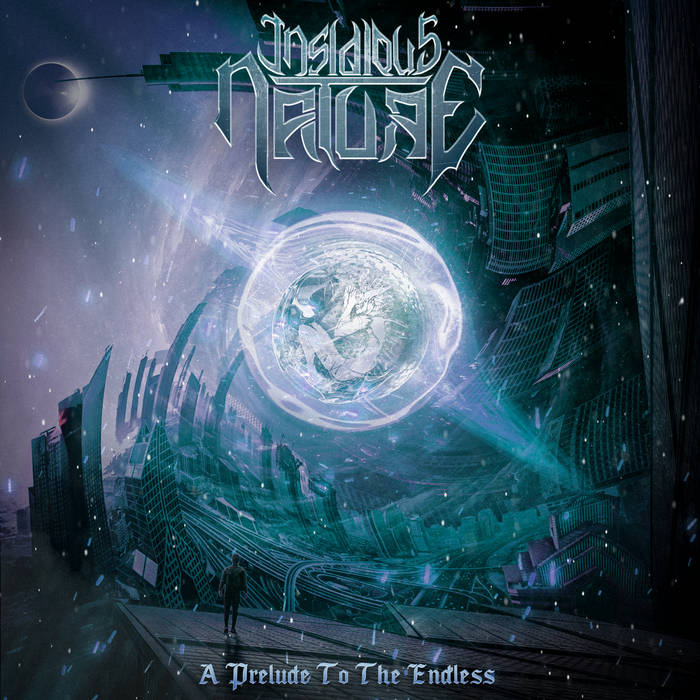
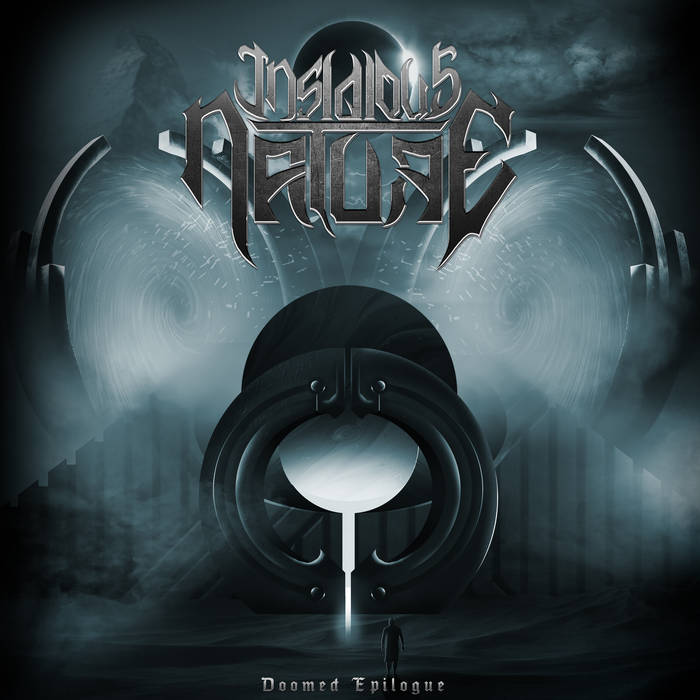
Technical death metal acts like Insidious Nature exemplify how South American metal artists balance complex primary projects with additional creative explorations, often incorporating elements from their side projects back into their main musical ventures to create increasingly sophisticated artistic statements.
Regional Metal Scene Infrastructure Development
The infrastructure supporting multiple creative projects has matured significantly across South America, with improved recording facilities, distribution networks, and promotional platforms enabling established artists to pursue ambitious multi-project strategies without compromising their primary musical commitments.
This development particularly benefits veteran artists who have established international recognition through their primary bands but seek creative outlets that explore different musical territories. The growing network of independent labels, booking agencies, and promotional companies throughout South America provides the necessary support structure for these expanded creative endeavors.
The success of bands maintaining multiple projects simultaneously has created a template that younger South American metal acts are increasingly adopting. This approach maximizes creative potential while building diverse fan connections across different metal subgenres and geographic markets.
Cross-Border Collaboration and Creative Exchange
Green's new project also highlights the increasing integration of South American metal with international networks, creating opportunities for cross-continental collaboration that were previously difficult to achieve. The established relationships between South American metal scenes and global extreme metal communities provide veteran artists with diverse collaborative possibilities.
This international integration benefits the entire South American metal ecosystem, as established artists' expanded projects often feature collaborations with emerging regional talents, creating mentorship opportunities and creative exchange that strengthens the continental scene's overall development.
The collaborative model that defines much of South American metal—where musicians frequently appear on each other's recordings and share stages across national boundaries—extends naturally to international partnerships, creating a global network that amplifies the region's creative influence.
Future Implications for South American Metal Evolution
The trend toward expanded creative projects among South American metal veterans suggests a mature artistic ecosystem capable of supporting diverse musical exploration while maintaining the authentic underground values that define the regional scene. This evolution positions South American metal to play an increasingly influential role in global extreme metal development.
As established artists like Green demonstrate the viability of multi-project strategies, younger South American metal acts gain valuable models for sustainable creative careers that balance artistic integrity with practical career development. This knowledge transfer ensures the continued evolution of South American metal's innovative approaches.
The success of these expanded creative strategies also attracts international attention to the depth and sophistication of South American metal scenes, potentially leading to increased touring opportunities, collaborative projects, and cultural exchange that benefits the entire continental metal community.
For emerging South American metal bands looking to develop sustainable creative careers, submit your band to connect with the growing network of regional metal professionals who understand the multi-project strategies that drive long-term artistic success in the continental scene.