Nostalgia Revival Campaigns and Label Signings Expose Metal's Commercial Transformation as South American Extreme Underground Masters Timeless Song Architecture
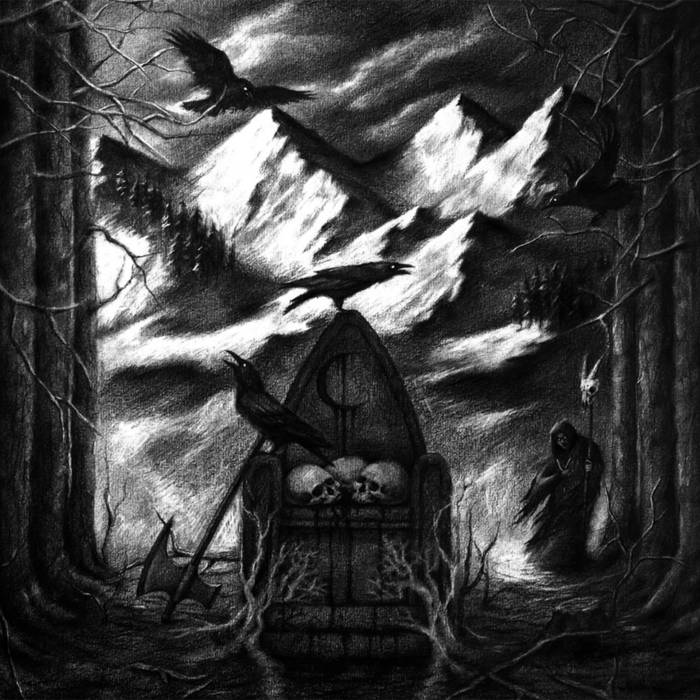
The latest wave of international metal releases reveals a fascinating paradox: while major acts chase nostalgic revivals and corporate label deals, South America's extreme metal underground continues perfecting the timeless songcraft that these trends attempt to recapture. Recent developments in rap-metal fusion, anniversary re-recordings, and label acquisitions highlight how commercial metal increasingly relies on past formulas, even as the region's death and black metal scenes demonstrate superior approaches to musical evolution.
The MySpace Revival Industrial Complex
International acts are now openly marketing "MySpace-era" influences as selling points, with bands positioning their sound as deliberate throwbacks to mid-2000s metalcore and deathcore. This nostalgic branding represents a fundamental shift in how metal markets itself—rather than pushing boundaries, artists now compete to recreate specific historical moments. The phenomenon extends beyond individual bands to entire subgenres, with rap-metal fusion emerging as another retro-flavored commercial strategy.
This nostalgia-driven approach contrasts sharply with South America's death metal evolution. Acts like Evil Reborn and Behest have spent decades developing sophisticated death-thrash hybrid approaches that incorporate multiple influences without resorting to period-specific marketing gimmicks. Their songwriting demonstrates how extreme metal can honor its roots while maintaining forward momentum—a lesson that commercial rap-metal revival acts seem determined to ignore.
The difference lies in artistic philosophy. While international acts announce their nostalgic intentions as marketing strategies, South American death metal bands have organically absorbed influences from thrash, black metal, and progressive elements to create genuinely evolved sounds. Tehom's melodic death metal approach exemplifies this organic development, building on Scandinavian foundations while incorporating distinctly regional atmospheric elements.
Anniversary Re-Recording Economics and Authentic Development
The trend toward re-recording classic albums for anniversary celebrations reveals another aspect of metal's commercial transformation. These projects promise improved production and mature performances, but they also represent risk-averse business models that prioritize proven material over new creative ventures. The economics are understandable—anniversary releases guarantee media coverage and fan interest—but the creative implications deserve scrutiny.
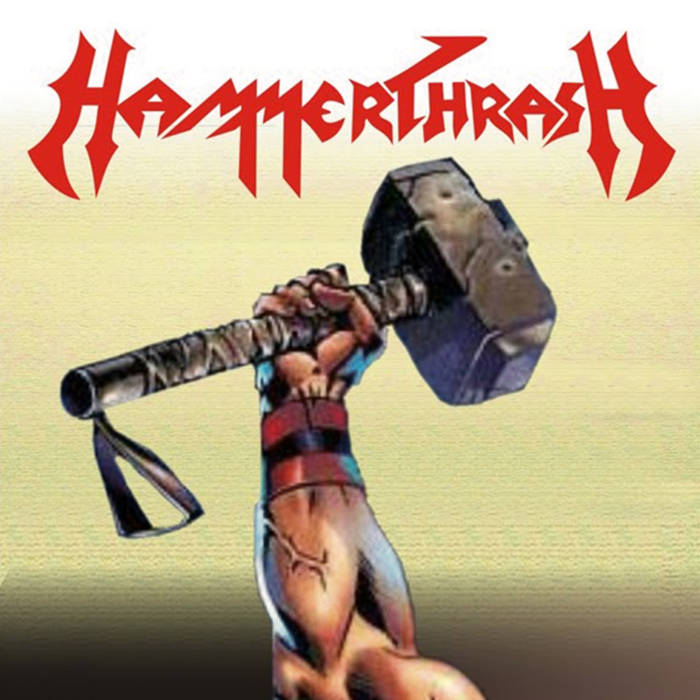
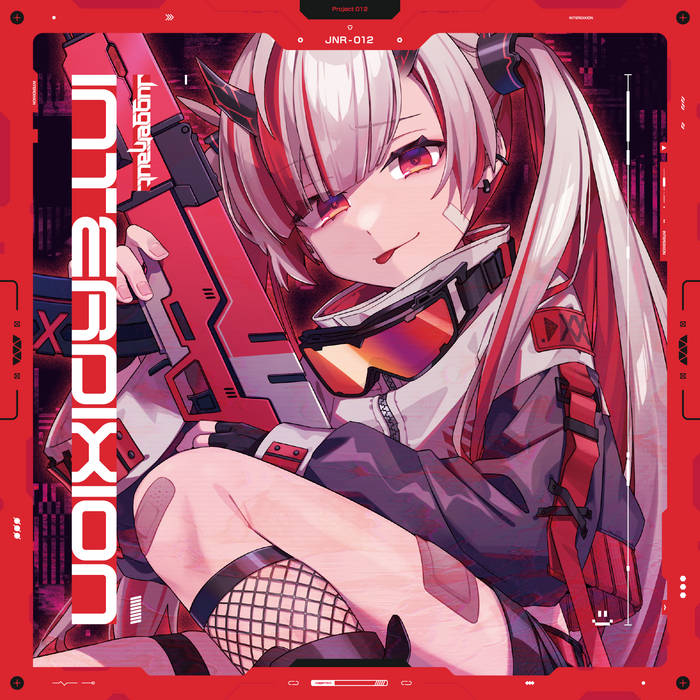
South America's thrash metal veterans offer instructive alternatives. Bands like Juggernaut and Hammerthrash have maintained consistent output over decades without relying on anniversary gimmicks. Their approach focuses on continuous refinement rather than backward-looking recreation. This sustainable model allows for genuine artistic development while maintaining connection to core audiences.
The re-recording phenomenon also highlights production technology's role in modern metal. While anniversary projects tout improved sound quality, they often sacrifice the raw energy that made original versions compelling. South American black metal acts like Thyrkron and Radamathys demonstrate how to balance production values with atmospheric authenticity, achieving clarity without sterility.
Label Consolidation and Independent Network Strength
Recent label signings reflect the ongoing consolidation of metal's distribution infrastructure. Independent labels continue absorbing promising acts, offering professional development opportunities but also introducing commercial pressures that can compromise artistic vision. The signing announcements celebrate these partnerships, but the long-term implications for creative freedom remain unclear.
South America's extreme metal scene has developed remarkably sophisticated independent networks that offer viable alternatives to traditional label structures. The region's black metal underground, including acts like Esceptus and Ancestral Cântico, demonstrates how artist-controlled distribution can maintain creative integrity while reaching international audiences. These networks prioritize artistic development over commercial metrics, resulting in more adventurous and authentic releases.
The contrast becomes especially apparent in how different scenes handle genre boundaries. Corporate-backed acts often rely on safe genre combinations and proven formulas, while South America's independent extreme metal freely experiments with atmospheric, progressive, and folk influences. This creative freedom stems directly from reduced commercial pressure and stronger community support networks.
Live Album Documentation and Performance Authenticity
Announcements of upcoming live album recordings highlight another dimension of metal's current commercial strategies. These projects promise to capture authentic performance energy while providing content for anniversary celebrations and label obligations. The emphasis on "free" hometown shows suggests awareness of economic pressures facing metal audiences, but also reveals how live documentation has become another marketing tool.
South America's approach to live performance documentation emphasizes community connection over commercial strategy. The region's doom metal scene, including acts like Calvário and Heléh, has perfected intimate performance settings that prioritize authentic audience connection. These shows generate powerful live recordings precisely because they aren't designed primarily as recording sessions.
The regional extreme metal scene's touring ethics also differ significantly from corporate approaches. Rather than treating South American markets as afterthoughts or revenue opportunities, local acts have built sustainable touring models based on mutual support and authentic fan relationships. This approach creates more genuine live experiences and, consequently, more compelling live recordings.
Genre Evolution and Commercial Stagnation
Current international trends reveal metal's increasing reliance on established formulas and nostalgic branding. While individual acts may execute these approaches skillfully, the broader pattern suggests creative stagnation within commercial metal circles. The emphasis on recreating specific historical moments rather than pushing genre boundaries indicates an industry more concerned with guaranteed returns than artistic advancement.
South America's extreme metal underground offers compelling alternatives through its commitment to genuine evolution. The region's death metal acts continue developing sophisticated approaches that honor the genre's foundations while incorporating progressive, atmospheric, and experimental elements. This organic development process produces more interesting and lasting results than commercial revival campaigns.
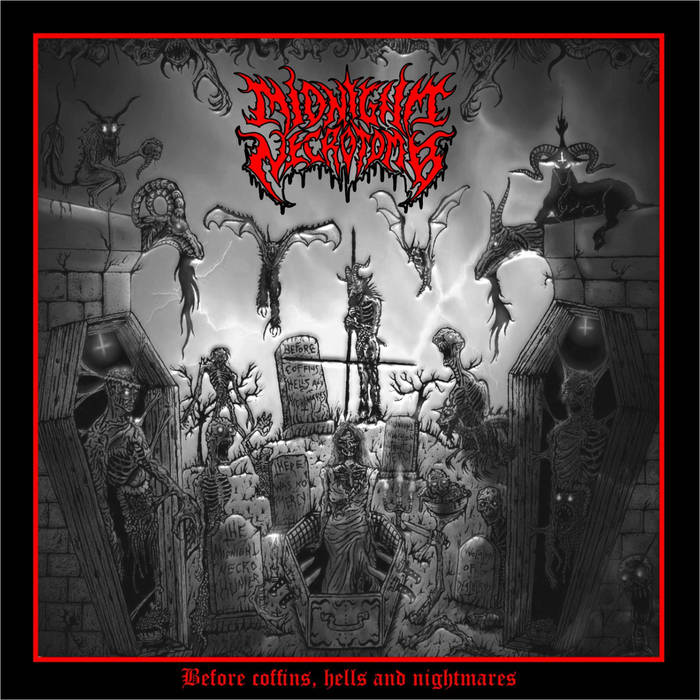
The regional black metal scene demonstrates similar evolutionary principles, with acts like Midnight Necrotomb and Goat Prayers creating distinctly regional interpretations of Norwegian and Finnish influences. These developments occur through artistic necessity rather than marketing strategy, resulting in more authentic and compelling music.
As international metal increasingly relies on nostalgic revivals and corporate consolidation, South America's extreme metal scene continues demonstrating the power of independent artistic development. The region's death, black, and thrash metal acts have spent decades perfecting approaches that commercial metal is only now recognizing as valuable. Their success validates the importance of authentic artistic evolution over manufactured nostalgia, offering lessons that extend far beyond regional boundaries. For metal to maintain its creative vitality, it must embrace the innovative spirit that South America's underground has never abandoned.