Master Recordings Independence and Cinematic Metal Collaborations Signal Artist Control Renaissance as South American Underground Perfects Autonomous Creative Models
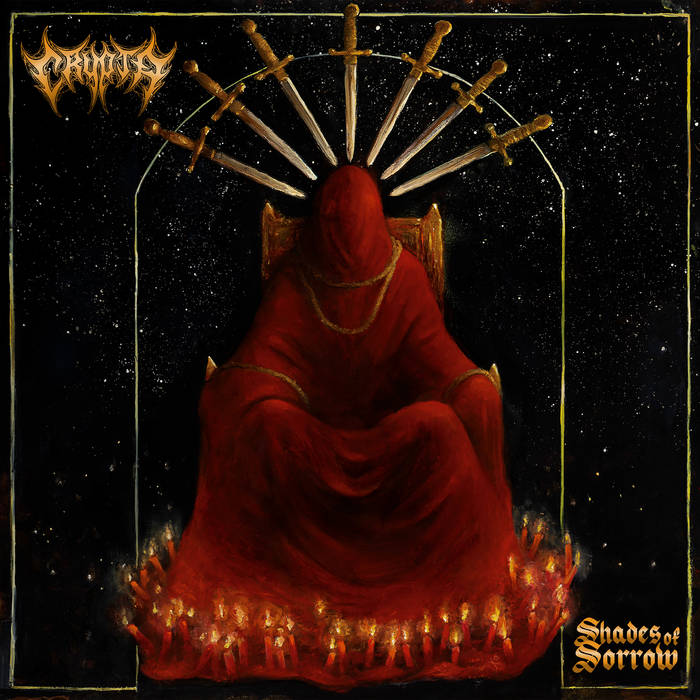
The metal world's recent shift toward artistic independence and multimedia storytelling reflects deeper changes in how bands control their creative destiny—changes that South America's underground has been pioneering for decades. While international acts scramble to reclaim their master recordings and explore graphic novel tie-ins, the region's extreme metal scene has already mastered the autonomous creative models that global metal is just beginning to discover.
The Master Recordings Revolution Validates Underground Wisdom
Avenged Sevenfold's recent announcement of complete independence, including purchasing the master recordings of their past releases, represents a seismic shift in metal's business model. The California band's move away from Warner Music Group control signals what many industry observers see as validation of independent approaches that South American metal has perfected through necessity and principle.
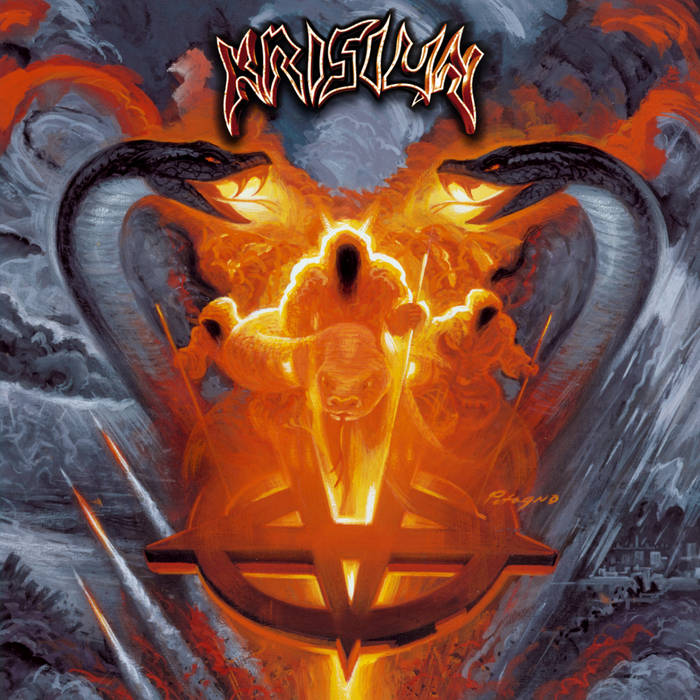
This development resonates particularly strongly across South America's death and black metal scenes, where bands like Crypta and Krisiun have demonstrated how maintaining creative and financial autonomy enables superior artistic outcomes. The region's extreme metal underground has spent decades developing distribution networks, recording strategies, and fan relationships that operate entirely outside corporate label structures.
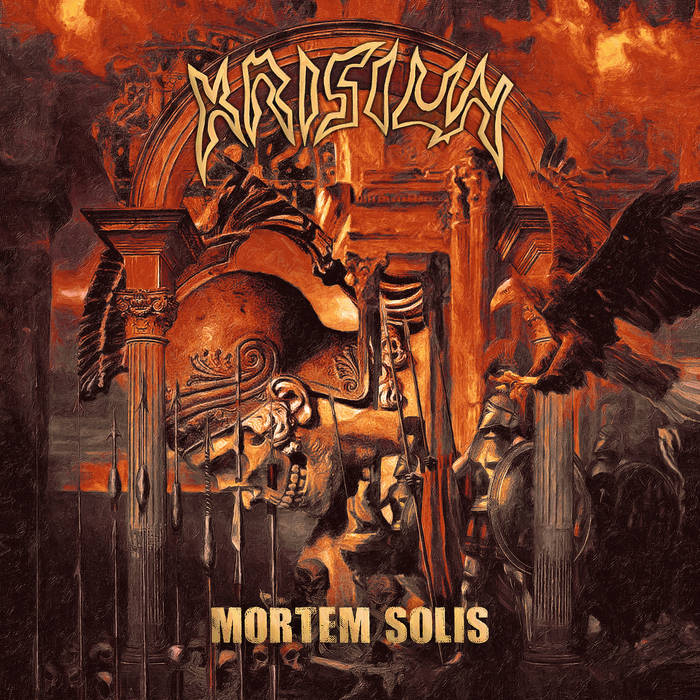
What makes Avenged Sevenfold's independence significant isn't just the financial freedom—it's the creative control that comes with owning your catalog. South American metal acts have understood this principle since the early 1990s, when economic instability forced the development of self-reliant creative ecosystems that could function regardless of external corporate support.
Cinematic Metal Storytelling Reaches New Heights
The convergence of metal and visual storytelling has reached fascinating new territory, with legendary horror filmmaker John Carpenter venturing into metal territory through his Cathedral project, combining album and graphic novel formats. Similarly, Iron Maiden's Bruce Dickinson continues expanding The Mandrake Project graphic novel series, demonstrating how established metal artists are embracing multimedia approaches to narrative.
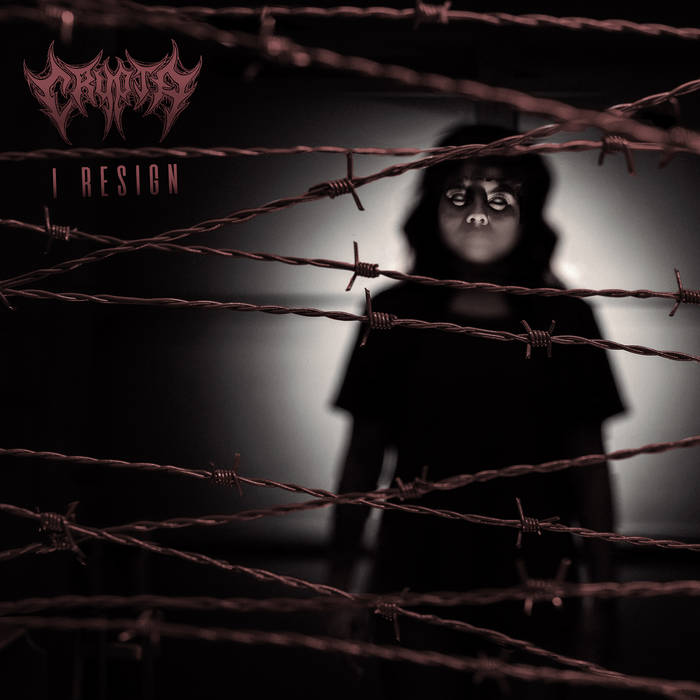
This trend toward cinematic metal storytelling creates unprecedented opportunities for South America's atmospheric and progressive metal acts, who have long incorporated visual and conceptual elements into their work. The region's black metal scene, particularly bands exploring epic and atmospheric territories, has developed sophisticated approaches to album-length storytelling that align perfectly with these emerging multimedia formats.
The success of these crossover projects validates what South American metal has always understood: that extreme music works best when it serves larger artistic visions. From concept albums exploring pre-Columbian mythology to visual presentations incorporating regional folklore, the underground has created templates for multimedia metal that international acts are now discovering.
Technical Innovation and Collaborative Evolution
Car Bomb's side project Sun Guts announces their sophomore album Supervoid with new track "Terminator Cross," demonstrating how technical metal continues pushing sonic boundaries through side projects and collaborative efforts. This approach to creative expansion through multiple outlets reflects strategies that South American extreme metal has employed for years.
The region's technical death metal scene has particularly excelled at creating networks of interconnected projects that allow musicians to explore different creative territories while maintaining their primary bands. This collaborative model enables artistic growth without compromising core band identities—exactly the approach that international acts are now adopting through side projects and guest collaborations.
Mongolia's The HU continues their innovative path with new album HUN and collaboration with Nothing More's Jonny Hawkins on "Lost Soul," proving that cultural authenticity combined with strategic partnerships creates powerful results. South American metal has perfected similar approaches, combining indigenous cultural elements with extreme metal techniques while building strategic collaborations that expand global reach without compromising artistic integrity.
The Underground Advantage in Market Evolution
While major label acts navigate complex business transitions and touring logistics, South America's metal underground operates with the flexibility and community connections that enable rapid adaptation to changing market conditions. The region's best metal bands have developed sustainable career models that don't depend on corporate infrastructure or traditional touring economics.
This underground advantage becomes particularly relevant as international metal grapples with independence questions and multimedia expansion. South American acts have already solved the practical problems of independent operation: how to record professionally on limited budgets, how to build international fan bases through community networks, and how to maintain creative momentum without corporate support.
The technical proficiency demonstrated by the region's death, black, and thrash metal scenes rivals any international metal, while the business sophistication developed through decades of independent operation provides models that newly independent international acts desperately need. From recording strategies to distribution networks to fan engagement approaches, South American metal has perfected the autonomous creative models that represent the future of artistic control in extreme music.
Cultural Authenticity Meets Global Ambition
The success of culturally rooted metal acts like The HU demonstrates how authenticity combined with technical excellence creates international appeal without cultural compromise. South American metal possesses similar advantages: deep cultural roots, technical mastery, and authentic artistic vision that translates across cultural boundaries.
The region's black metal acts exploring pre-Columbian themes, death metal bands incorporating indigenous mythology, and progressive metal groups drawing from South American literary traditions have developed approaches to cultural authenticity that maintain global relevance. These acts understand that authenticity isn't about isolation—it's about presenting genuine cultural perspectives through superior musical execution.
As international metal embraces multimedia storytelling and independent operation, South American acts are positioned to demonstrate how cultural authenticity combined with technical excellence and business sophistication creates sustainable international careers. The underground networks, collaborative approaches, and autonomous creative models that define the region's best metal bands provide templates that global metal is just beginning to recognize and adopt.
The master recordings independence movement, cinematic metal storytelling trend, and collaborative evolution happening in international metal validate approaches that South American extreme metal has refined through decades of independent innovation. As the global metal scene continues evolving toward greater artistic control and multimedia expression, the region's underground provides proven models for sustainable, authentic, and technically superior metal that maintains creative integrity while achieving international recognition.