Medical Realities Force Static-X Cancellations While Fear Factory and Monolord Signal Metal's Generation Divide
The harsh realities of aging in metal hit home this week as Static-X announced the cancellation of their remaining 2026 touring commitments due to serious medical issues affecting band members. The industrial metal veterans' frank assessment of their situation as "just a bunch of old men with parts that need fixing" reveals the physical toll that decades of heavy touring and performance take on metal musicians.
This medical timeout comes at a particularly interesting moment in metal's evolution, as younger acts like Sweden's Monolord continue pushing the boundaries of their sound. The stoner doom outfit's collaboration with death metal legend Jörgen Sandström of Grave on their track "It's Neverending" demonstrates how established extreme metal musicians can seamlessly transition between different heavy music contexts, maintaining relevance across multiple generations of fans.
The Generation Divide in Modern Metal
While Static-X confronts the physical limitations of veteran performers, other established acts are finding ways to navigate longevity challenges. Fear Factory's Dino Cazares recently discussed their upcoming album, describing it as "new, brutal, heavy, and melodic" – suggesting that creative fire can persist even as physical demands become more challenging. The guitarist's emphasis on the record being both brutal and melodic indicates an understanding of how to balance aggression with accessibility, a lesson learned through decades of industry experience.
This generational wisdom becomes particularly relevant when examining how South American metal acts approach career sustainability. Unlike the touring-intensive models that have led to medical issues for acts like Static-X, many regional bands have built their reputations through consistent local scene development and strategic recording projects rather than constant road work.
Brazil's Jupiterian exemplifies this approach in the death and doom metal realm, crafting albums that showcase technical mastery without requiring the physical punishment of endless touring cycles. Their sludge-influenced sound demonstrates how South American extreme metal acts can achieve the same brutal intensity that Fear Factory promises in their upcoming release while maintaining more sustainable career trajectories.
Industrial and Extreme Metal's Physical Demands
The industrial metal genre that Static-X helped define in the late 1990s has always been particularly demanding on performers. The combination of aggressive physical performance, electronic equipment management, and the high-energy stage presence required to sell the machine-human hybrid aesthetic takes a cumulative toll that becomes apparent decades later.
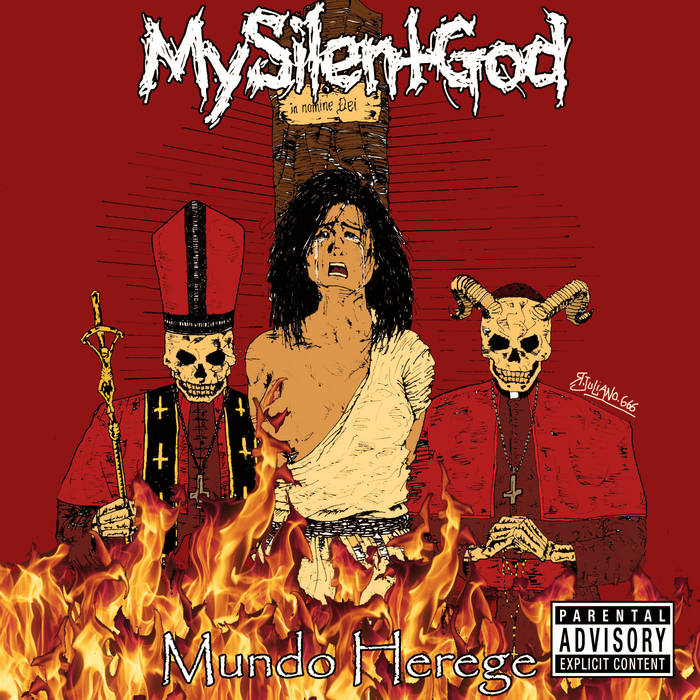
South American metal acts working in similar territories have often approached these challenges differently. MySilentGod's blend of death metal with industrial and grindcore elements showcases how regional acts can achieve similar sonic intensity while potentially avoiding some of the physical performance demands that plague veteran touring acts.
The medical issues forcing Static-X's tour cancellations also highlight broader industry problems with healthcare access and long-term financial planning for metal musicians. Many of today's best metal bands built their careers during eras when streaming revenue and sustainable music industry economics were far different, leaving veteran performers vulnerable to health crises that can end careers suddenly.
Creative Persistence Amid Physical Limitations
Fear Factory's continued creative output, despite their own decades of heavy touring and industrial metal performance, suggests that some veteran acts are finding ways to adapt their approach while maintaining artistic integrity. Cazares' description of their upcoming album as both brutal and melodic indicates a mature understanding of how to craft metal that satisfies longtime fans while potentially reaching new audiences.
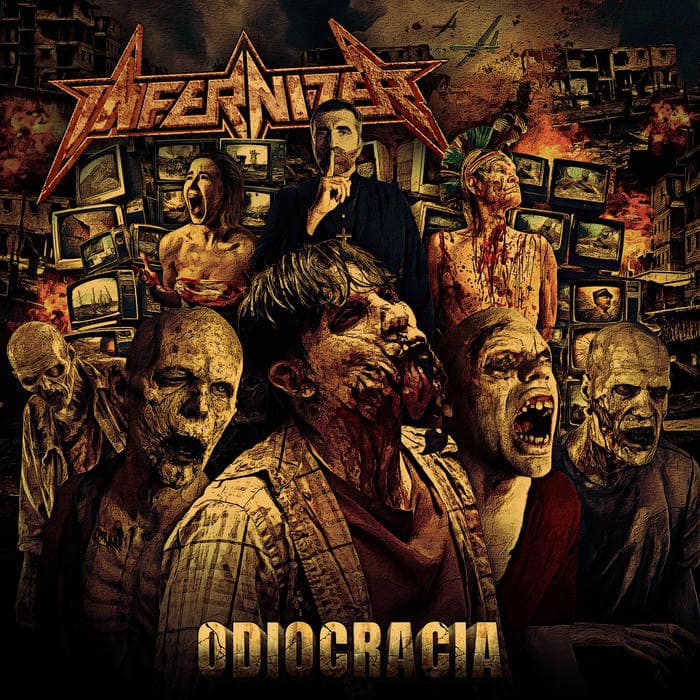
This balance between brutality and melody resonates throughout the South American metal scene, where acts have often needed to develop sophisticated songwriting approaches due to limited recording budgets and fewer opportunities for extensive touring. Infernizer's death and thrash metal fusion demonstrates how regional acts have mastered the art of packing maximum impact into focused compositions, a skill that could serve as a model for international acts dealing with reduced touring capabilities.
The collaboration between Monolord and Grave's Jörgen Sandström also points toward creative solutions for veteran metal musicians. Rather than maintaining the demanding schedule of full touring bands, experienced players can contribute their expertise to recording projects and strategic collaborations that showcase their talents without the physical demands of constant performance.
Sustainable Metal Career Models
Static-X's honest acknowledgment of their medical limitations opens important conversations about sustainable career models in metal. The band's decision to prioritize health over touring commitments sets a precedent that could influence how other veteran acts approach their later career phases.
South American thrash and death metal scenes offer compelling examples of how metal communities can support veteran musicians through different career stages. Critical Mass and similar Brazilian thrash acts have often maintained relevance through selective performance opportunities and strategic recording projects rather than punishing touring schedules that lead to medical crises.

The regional approach to metal career development often emphasizes community building and local scene support over the commercial touring models that have proven unsustainable for many international acts. This community-focused approach could provide templates for how veteran metal musicians can remain active and relevant without sacrificing their physical wellbeing.
International Opportunities and Regional Wisdom
As established international acts like Static-X step back due to health concerns, opportunities emerge for regional metal acts to fill performance slots and capture audience attention. The contrast between veteran acts' medical struggles and younger bands' creative energy creates space for South American metal acts to demonstrate their capabilities on larger stages.
Fear Factory's promise of new material that balances brutality with melody suggests that international metal audiences remain hungry for sophisticated extreme music. Caos Onipresente's blackened death metal approach and similar regional acts' technical mastery position them well to satisfy this demand while offering fresh perspectives that veteran international acts may struggle to provide.
The industry's current moment – with veteran acts confronting physical limitations while younger acts like Monolord expand their creative partnerships – creates unique opportunities for metal acts that have built sustainable career models from the ground up. South American metal's emphasis on community development and strategic creativity offers lessons that could benefit the broader international metal scene as it navigates the challenges of an aging performer base and evolving industry economics.
For emerging metal bands looking to build lasting careers, the contrasting examples of Static-X's medical timeout and Fear Factory's continued creative output provide important lessons about balancing ambition with sustainability. The most successful approaches may combine the regional wisdom of community-focused career development with the creative persistence that keeps veteran acts like Fear Factory producing relevant new material decades into their careers.