Technical Mastery and Documentary Controversies Drive Metal's Authenticity Renaissance as South American Extreme Metal Veterans Lead Underground Innovation
The global metal scene's current obsession with technical virtuosity and artistic authenticity creates unprecedented opportunities for South America's extreme metal underground, where decades of independent development have produced some of the most technically proficient and creatively uncompromising acts in heavy music today.
Technical Excellence Transcends Genre Boundaries
When Tosh Peterson, known for drumming behind Lady Gaga's pop spectacle, recently tackled Death's technically demanding "Crystal Mountain" for Drumeo, the performance highlighted how best metal bands achieve universal recognition through technical mastery rather than genre loyalty. Peterson's successful interpretation of Chuck Schuldiner's progressive death metal masterpiece demonstrates the cross-pollination between mainstream performance precision and extreme metal's technical demands.
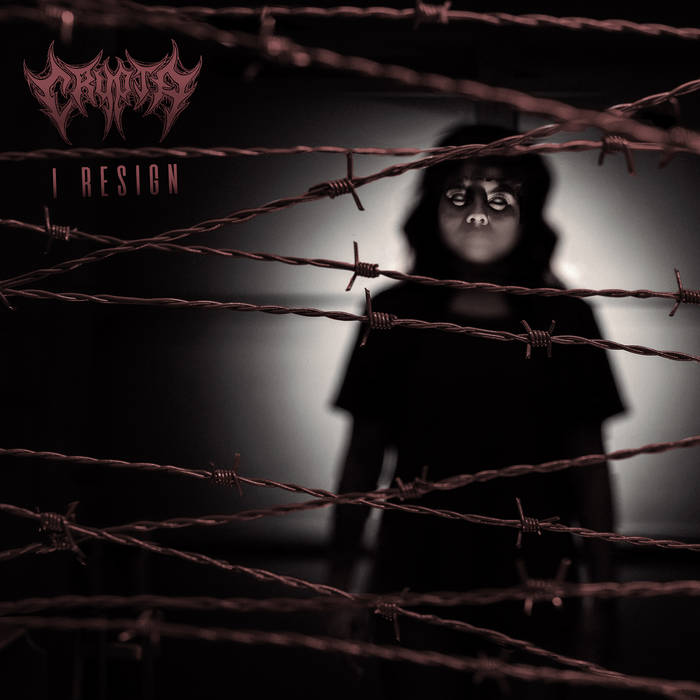
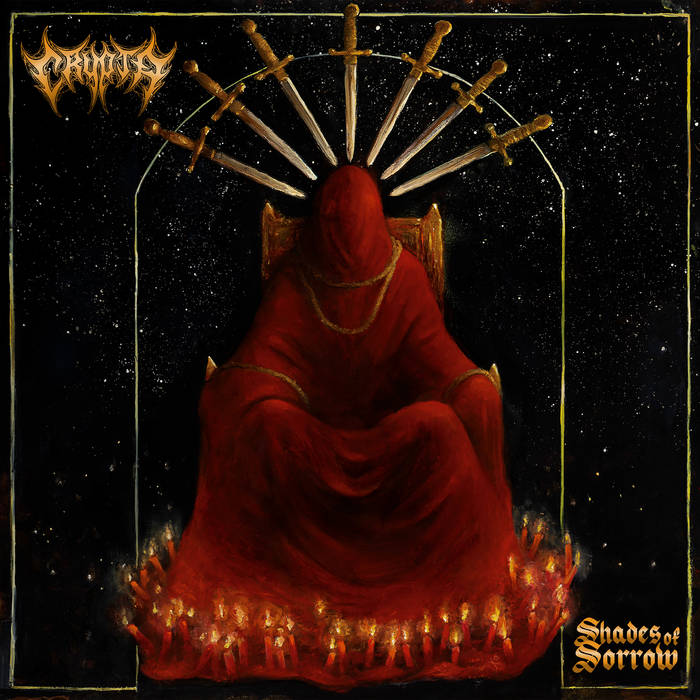
This intersection of pop professionalism and death metal complexity mirrors the evolution happening throughout South America's extreme metal scene, where acts like Crypta have consistently demonstrated that technical death metal excellence transcends regional boundaries. The Brazilian death metal powerhouse exemplifies how South American musicians combine classical training, extreme metal innovation, and international performance standards.
Gene Hoglan's reaction to Peterson's performance underscored metal's meritocratic nature – technical excellence earns respect regardless of an artist's primary musical context. This principle has long driven the South American metal scene, where musicians frequently cross genre boundaries while maintaining extreme metal's technical standards.
Documentary Disputes Reveal Industry Control Issues
The ongoing controversy surrounding filmmaker Matt Zane's Wayne Static documentary exposes fundamental tensions between artistic documentation and estate control that resonate throughout metal's independent underground. Zane's detailed discussion of Static-X's resistance to his documentary release highlights broader industry patterns where corporate interests clash with artistic documentation.
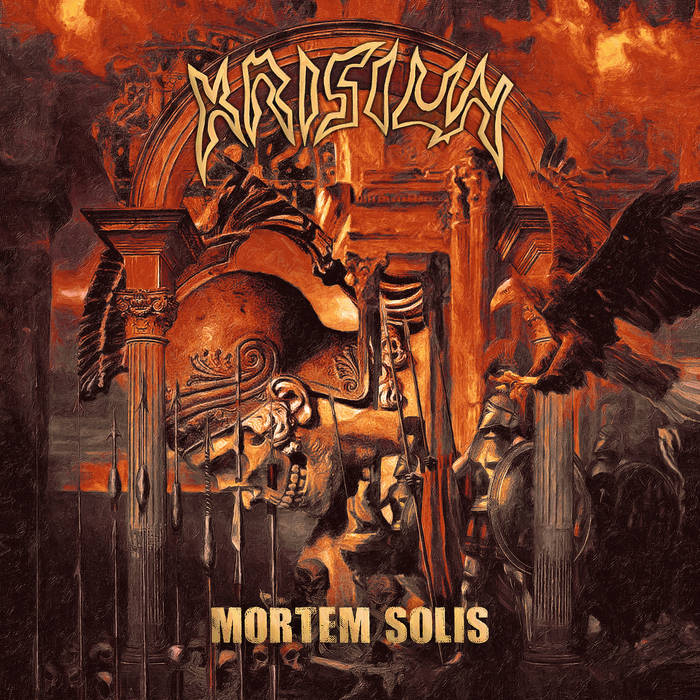
For South American extreme metal acts who have operated independently for decades, these documentary disputes illuminate the advantages of maintaining creative and legal control over artistic legacy. Acts like Krisiun have built international careers while retaining ownership of their artistic documentation and business operations, avoiding the estate complications plaguing static metal legacies.
The documentary controversy also reflects metal's growing recognition as culturally significant art worthy of serious documentation. This cultural elevation creates opportunities for South America's extreme metal veterans, whose decades of innovation deserve comprehensive artistic recognition.
Orchestral Collaborations Signal Progressive Expansion
Voivod's live orchestral performance of "The End of Dormancy" with the Quebec Symphony Orchestra represents progressive metal's continued evolution toward classical music integration. The Canadian legends' symphonic collaboration demonstrates how established extreme metal acts can expand their artistic scope while maintaining their core identity.
This orchestral trend creates significant opportunities for South America's progressive and symphonic metal acts, particularly those with classical training backgrounds. The region's extensive music education infrastructure has produced numerous extreme metal musicians with formal orchestral experience, positioning them perfectly for similar collaborative projects.
Regional progressive acts have long incorporated symphonic elements into their compositions, often achieving complex orchestral arrangements through keyboard programming and careful production work. The international recognition of orchestral metal collaborations validates approaches that South American progressive metal bands have refined for years.
International Touring Challenges Favor Regional Strategies
Drowning Pool's cancelled South American tour, attributed to low ticket sales, reflects broader challenges facing international touring in regional markets. However, these cancellations often stem from misunderstanding local metal communities' preferences and promotional strategies rather than lack of metal enthusiasm.
The South American metal scene has developed sophisticated promotional networks and fan engagement strategies that international acts frequently underutilize. Regional metal communities prioritize authentic underground acts over nostalgic mainstream touring, creating opportunities for technically proficient local bands to capture audiences that international acts fail to reach.
These touring challenges highlight the strength of regional metal communities that support local acts through consistent attendance and merchandise purchases. While international acts struggle with promotional disconnect, South American extreme metal acts benefit from devoted local fan bases built through years of authentic underground engagement.
Health Struggles Humanize Metal Legends
Randy Blythe's compassionate interaction with a cancer-battling Lamb of God fan at Welcome To Rockville demonstrates metal's profound human connections beyond commercial entertainment. These personal moments between established metal figures and dedicated fans reveal the genre's capacity for meaningful emotional support.
Erik Grönwall's "To Hell & Back" documentary, chronicling his leukemia battle and recovery, further emphasizes metal's role in processing life's most challenging experiences. Former Skid Row singer's openness about his health struggles and creative recovery creates powerful narratives about resilience and artistic determination.
South American extreme metal communities have long understood metal's therapeutic and community-building potential. Regional scenes provide crucial emotional support networks for musicians and fans facing personal struggles, creating sustainable artistic communities that extend beyond musical performance.
Veterans Return with Renewed Purpose
Pro-Pain's return with "Stone Cold Anger" after a decade-long absence demonstrates how metal veterans can maintain artistic relevance through focused creative energy rather than constant output. Gary Meskil's sustained intensity proves that authentic metal anger remains compelling regardless of extended creative breaks.
This veteran return pattern creates opportunities for South America's established extreme metal acts to leverage their extensive catalogs and refined artistic vision. Regional metal veterans possess decades of experience navigating independent music careers, positioning them to capitalize on renewed interest in authentic extreme metal artistry.
The celebration surrounding Pro-Pain's return also reflects metal communities' loyalty to acts that maintain artistic integrity over commercial compromise. South American extreme metal scenes have consistently supported veteran acts that prioritize artistic authenticity, creating sustainable career models for regional metal pioneers.
Technical Death Metal's Educational Value
The intersection of technical proficiency, educational content, and extreme metal artistry creates opportunities for South America's technically masterful death metal acts to gain international recognition. Peterson's Death cover and Hoglan's expert commentary demonstrate how extreme metal's technical complexity generates educational content that reaches beyond traditional metal audiences.
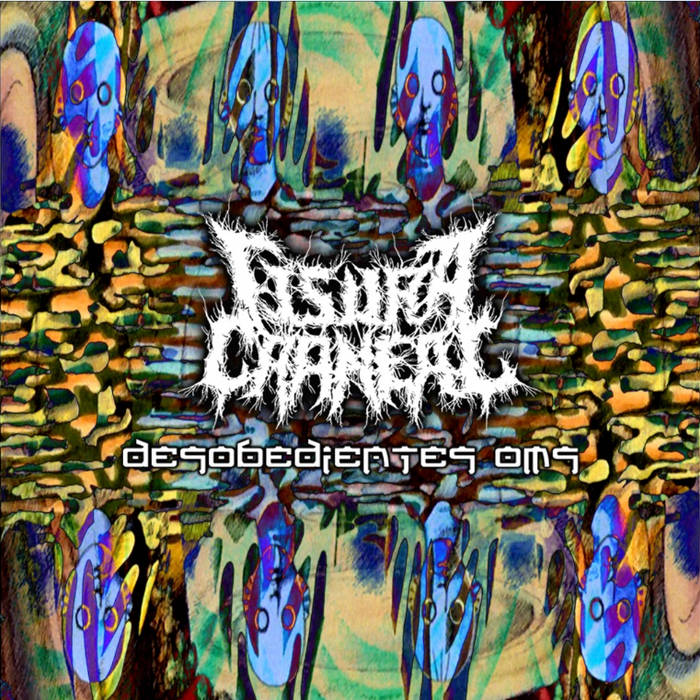
Regional death metal acts like Fisura Craneal and other brutal death metal innovators have developed technical approaches that warrant similar educational recognition. South America's extreme metal underground contains numerous technically proficient musicians whose innovative approaches deserve broader documentation and analysis.
This educational trend validates the artistic legitimacy of extreme metal's technical achievements while creating new promotional opportunities for regionally-based acts. As metal education continues expanding, South American extreme metal veterans are positioned to contribute significant technical and creative insights to global metal education initiatives.
The convergence of technical mastery, documentary authenticity, and regional community strength positions South America's extreme metal scene for unprecedented international recognition. While industry controversies and touring challenges affect mainstream metal, regional underground scenes continue developing the artistic innovation and community resilience that define metal's authentic future.