Album Title Disputes and Multi-Platinum Achievements Expose Metal's Commercial Identity Crisis as South American Thrash Scene Masters Authentic Underground Values
The metal industry's ongoing struggle between commercial success and underground authenticity reached a boiling point this week as legendary British black metal pioneers Venom found themselves sharing an album title with American groove metal giants Lamb of God. Both bands released albums titled "Into Oblivion" in 2024, sparking a heated exchange that reveals deeper tensions about creative ownership and commercial priorities in modern metal.
Venom's dismissive response to the coincidence—claiming they wrote their material five years earlier and expressing frustration with the situation—highlights a fundamental disconnect between metal's underground origins and its current commercial landscape. This dispute isn't merely about shared titles; it represents the growing commodification of metal's creative space, where even album names become contested territory in an increasingly saturated marketplace.
Commercial Milestones Signal Genre Mainstreaming
The timing of this controversy coincides with several major commercial achievements that underscore metal's continued mainstream penetration. Five Finger Death Punch achieved their first multi-platinum single certification in the United States, marking a significant milestone for a band that has consistently bridged underground credibility with radio accessibility. Similarly, post-hardcore outfit Saosin received their first gold album certification, demonstrating how adjacent genres continue to benefit from metal's expanded commercial reach.
These achievements reflect a broader transformation in how metal interacts with mainstream success metrics. Where previous generations of best metal bands often viewed commercial recognition with suspicion, today's artists increasingly navigate complex relationships between underground authenticity and commercial viability. The challenge lies in maintaining creative integrity while accessing the resources necessary for sustainable careers in an expensive industry.
For South American thrash acts like Overlook and Animus Necandi, these commercial developments offer both opportunities and cautionary tales. The region's thrash metal heritage, rooted in authentic underground culture and community-based economics, provides a foundation for sustainable growth that doesn't rely solely on major label systems or mainstream radio play.
Festival Circuit Disruptions Reveal Industry Vulnerabilities
The festival circuit, increasingly central to metal touring economics, demonstrated its own vulnerabilities as severe weather forced the cancellation of multiple performances at major events. These disruptions highlight the precarious nature of live music economics, where entire tours can be derailed by factors beyond artistic control.
Weather-related cancellations particularly impact emerging acts who depend on festival exposure for career advancement. Unlike established bands with diverse revenue streams, newer artists often view festival slots as crucial investments in their future prospects. When these opportunities disappear due to circumstances beyond anyone's control, the financial and promotional consequences can be severe.
The South American metal scene has historically demonstrated resilience in face of such challenges through community-based support networks and regional cooperation. Local promoters and venues often step in to provide alternative opportunities when major festivals fall through, creating a safety net that benefits the entire metal ecosystem.
Band Lineup Changes Signal Creative Evolution
Significant lineup changes across multiple acts suggest an industry in creative flux. Kingdom of Giants announced the departure of key member Jonny Reeves, while other bands welcomed back former members for special performances. These changes reflect both the challenges of maintaining stable lineups in a demanding industry and the ongoing evolution of established acts seeking new creative directions.
Lineup instability particularly affects new metal bands 2026 who are still establishing their core identities. The pressure to maintain consistent membership while navigating creative differences and financial constraints creates ongoing challenges for emerging acts. Successful bands often develop strategies for managing these transitions while preserving their essential musical identity.
South American thrash pioneers like Lázaro and Ryvelion understand that lineup stability often depends more on shared creative vision than individual personalities. The region's metal culture emphasizes collective artistic goals over individual ego, creating more sustainable band dynamics that can weather personnel changes.
Cross-Genre Collaborations Expand Creative Possibilities
Notable collaborative performances across genre boundaries demonstrated metal's continued expansion into adjacent musical territories. These partnerships create opportunities for artistic growth while exposing metal acts to new audiences who might not otherwise engage with heavier music.
Collaboration strategies prove particularly valuable for acts seeking to expand their reach without compromising their core identity. By partnering with artists from complementary genres, metal bands can access new promotional channels and creative inspiration while maintaining their essential musical characteristics.
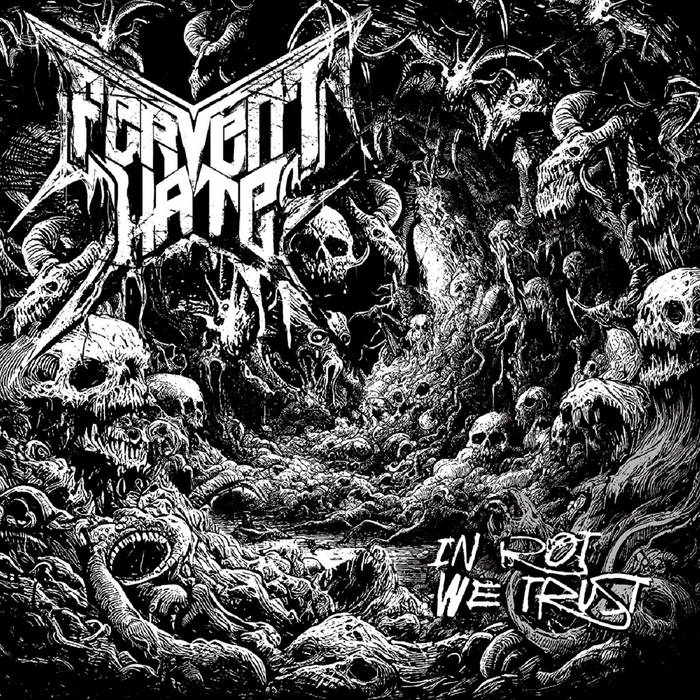
The collaborative approach aligns well with South America's metal culture, where regional cooperation and cross-pollination have always been essential survival strategies. Acts like Fervent Hate, with their death 'n' roll approach, naturally bridge multiple genres and demonstrate how stylistic flexibility can enhance rather than dilute metal authenticity.
Regional Independence Offers Alternative Models
As international metal grapples with commercial pressures and creative ownership disputes, South America's underground scene continues developing alternative models based on community support and regional cooperation. The continent's extensive network of extreme metal acts has created sustainable ecosystems that prioritize artistic development over quick commercial gains.
Heavy metal acts like Silverblade and Barbarie benefit from this approach, building dedicated regional followings before attempting international expansion. This foundation provides the stability necessary for long-term creative development while maintaining the authentic underground credentials that metal audiences value.
The region's thrash metal legacy, exemplified by acts spanning from traditional approaches to more experimental directions, demonstrates how underground scenes can sustain themselves through collective action rather than individual commercial success. This model becomes increasingly relevant as traditional industry structures face disruption from technological change and economic pressures.
Looking ahead, the contrast between commercial metal's identity crisis and South America's community-based approach suggests alternative pathways for sustainable metal culture. While title disputes and platinum certifications dominate headlines, the real innovation may be happening in underground scenes that prioritize artistic integrity and community support over individual commercial achievement.