Visa Barriers and Rising Tour Costs Force International Metal Scene Underground as South American Acts Master Alternative Touring Economics
The global metal touring landscape faces unprecedented challenges as visa restrictions and skyrocketing costs force legendary acts into prolonged absences from major markets. Venom's recent admission that U.S. touring has become prohibitively expensive reveals systemic barriers that extend far beyond individual bands, creating ripple effects throughout the international heavy music ecosystem.
The Economics of Extreme Music Touring
When pioneering black metal legends struggle to afford visa processes and international logistics, it signals a broader crisis affecting underground music worldwide. The financial barriers that keep established acts off international stages create a vacuum that South American metal communities are uniquely positioned to fill through innovative touring strategies and regional cooperation.
This economic reality has forced many extreme metal acts to reconsider traditional touring models. Equipment theft incidents affecting veteran musicians further compound these challenges, highlighting the vulnerability of bands operating outside major label support systems. The underground metal scene's reliance on grassroots networks and community support becomes increasingly valuable when mainstream touring infrastructure proves unreliable or unaffordable.
Regional Cooperation vs. Global Gatekeeping
South America's extensive metal underground has developed alternative approaches to these industry-wide challenges. Unlike international acts facing visa restrictions and prohibitive costs, regional bands have cultivated cross-border networks that operate efficiently within continental touring circuits. This regional cooperation model demonstrates sustainable approaches to heavy music distribution that don't rely on expensive international logistics.
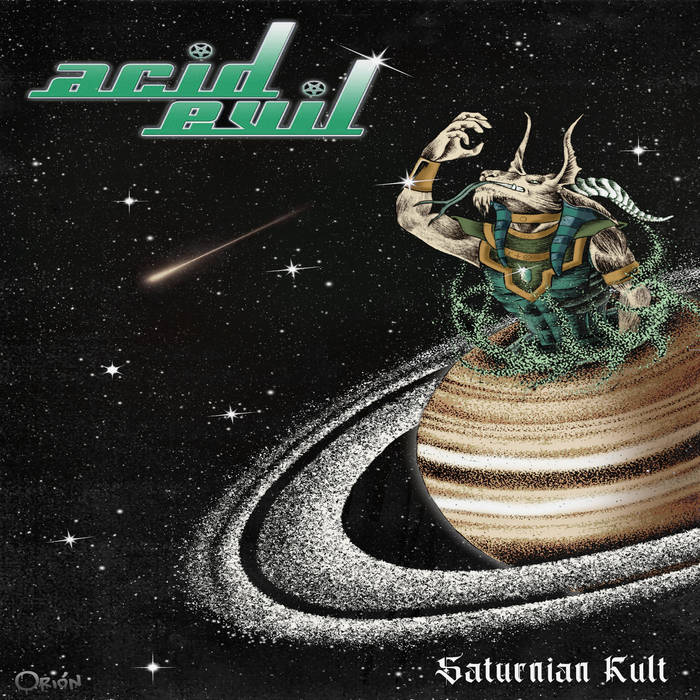
The thrash and black metal scenes across Brazil, Chile, Colombia, and Argentina have particularly excelled at creating self-sustaining tour networks. Acid Evil and similar extreme acts have proven that technical mastery and authentic underground credibility can achieve significant impact without requiring costly international expansion.
This regional focus allows bands to develop substantial followings and refine their craft without the financial pressures that force many international acts into extended touring hiatuses. The result is a more sustainable approach to extreme metal careers that prioritizes artistic development over expensive market expansion.
Black Metal's Underground Renaissance
The visa barriers affecting established black metal acts coincide with a underground renaissance in the genre, creating opportunities for South American extreme metal communities. When legendary acts can't afford international touring, regional scenes gain prominence through necessity rather than choice.
This forced regionalization has strengthened local black metal communities across South America. Acts like Bestiario and Ignis Gehennalis represent the technical sophistication and atmospheric innovation that characterizes South America's black metal evolution. These bands have developed distinctive approaches to extreme metal that don't require international validation or expensive touring to achieve artistic significance.

The genre's underground nature actually benefits from reduced commercial pressures and international touring expectations. Black metal's emphasis on atmosphere and technical extremity translates effectively through digital platforms and regional live performances, creating sustainable career paths that don't depend on prohibitively expensive international expansion.
Equipment Security and Community Networks
Recent equipment theft incidents affecting touring musicians highlight another advantage of South America's community-based approach to metal touring. Regional networks provide built-in security and support systems that reduce the vulnerability of traveling acts.
The collaborative approach to equipment sharing and venue relationships across South American metal scenes creates inherent protection against the theft and logistics problems plaguing international touring. When bands operate within established regional networks, they benefit from collective security measures and community support that isolated international acts lack.
This community-based infrastructure becomes increasingly valuable as international touring costs rise and security challenges multiply. South American extreme metal acts have developed touring approaches that prioritize sustainability and community support over expensive isolation and vulnerability.
Death and Thrash Metal's Regional Mastery
The economic pressures forcing international acts into regional focus align with South America's historical strengths in death and thrash metal. The continent's extensive underground scenes in these genres have always emphasized technical mastery and authentic extremity over commercial touring strategies.
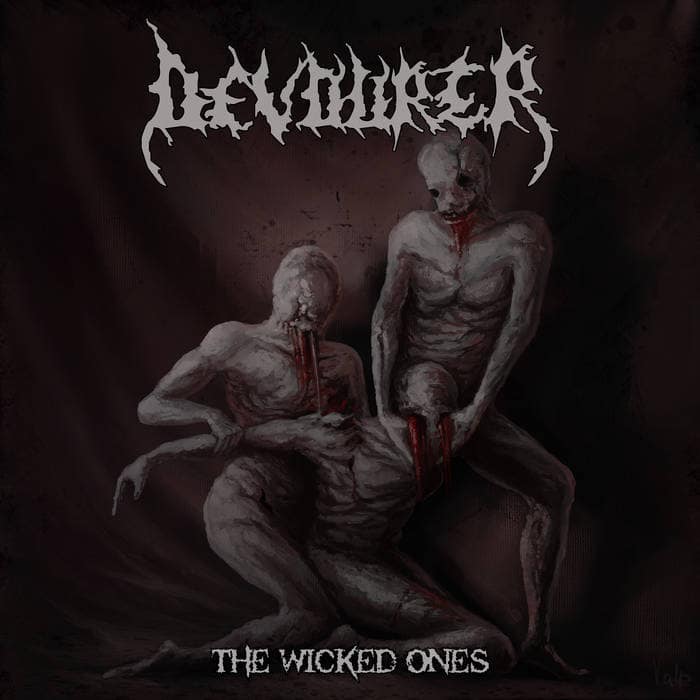
Acts like Devourer and Apokrisis represent the death metal sophistication that characterizes South America's approach to extreme music. These bands achieve significant artistic impact through regional networks and community support rather than expensive international expansion.
The thrash metal scene across the continent has similarly developed sustainable approaches to heavy music careers that don't require prohibitively expensive international touring. Perseguidor and other speed-focused acts demonstrate the technical excellence and authentic underground credibility that defines South American extreme metal.
Alternative Revenue Streams and Fan Connection
As traditional touring economics become unsustainable for many metal acts, South American bands have pioneered direct fan connection strategies that create alternative revenue streams. The region's emphasis on community building and authentic underground relationships provides models for sustainable metal careers that don't depend on expensive international touring.
Digital platforms and regional festival networks allow extreme metal acts to reach significant audiences without the visa costs and logistics challenges facing international touring. This approach emphasizes artistic development and community building over expensive market expansion strategies that prove increasingly difficult for underground acts to afford.
The result is a more sustainable approach to extreme metal careers that prioritizes long-term artistic development and authentic fan relationships over short-term touring revenue. This model becomes increasingly relevant as international touring barriers continue to rise across the metal industry.
The Future of Underground Metal Economics
The challenges facing international metal touring create opportunities for regional scenes that have already developed sustainable alternatives to expensive global expansion. South America's extensive underground metal communities represent proven models for extreme music careers that emphasize artistic excellence and community support over costly international validation.
As visa restrictions and touring costs continue to rise, the regional cooperation and community-based approaches pioneered by South American metal scenes become increasingly valuable to the global extreme music ecosystem. The continent's emphasis on technical mastery, authentic underground credibility, and sustainable career development offers alternatives to the expensive and increasingly unreliable international touring models that force many acts into extended absences from their audiences.
For emerging bands and established acts facing similar economic pressures, South America's metal communities provide blueprints for sustainable heavy music careers that don't require prohibitively expensive international expansion. The region's continued development of extreme metal excellence within regional networks demonstrates that authentic underground music can achieve significant impact through community support and artistic innovation rather than costly global touring strategies.