International Touring Barriers and Black Metal's Revival Create Strategic Opportunities for South America's Underground Scene
The metal world finds itself at a fascinating crossroads in 2026, where legendary British black metal pioneers face insurmountable touring barriers while equipment theft and industry challenges reshape how bands approach international markets. These developments create unprecedented strategic opportunities for South America's extensive underground metal community, particularly as black metal experiences a global renaissance.
The Visa Barrier Crisis Reshaping International Metal Tours
Venom's recent revelations about the prohibitive costs and complexities of international touring have exposed a critical vulnerability in metal's global ecosystem. The pioneering black metal legends described the visa process as both "really expensive" and "so difficult," likening international bands to "vampires" who "need to be invited" and "can't come over your threshold without an invitation."
This stark reality illuminates a fundamental shift in how metal's international landscape operates. While established acts struggle with bureaucratic barriers and escalating costs, South America's black metal underground—including acts like Sadroom, Shades Rakshasa, and Desalmatvs—finds itself uniquely positioned to capitalize on this vacuum.
The South American metal scene has long operated with remarkable resourcefulness, developing sophisticated networks for equipment sharing, venue booking, and cross-border collaboration. What once seemed like a limitation—the region's relative isolation from North American and European metal markets—now appears prophetic as those markets become increasingly difficult for international acts to penetrate.
Equipment Security and Industry Vulnerability
Recent high-profile equipment thefts affecting touring musicians have highlighted another critical industry vulnerability. While individual artists celebrate recovering stolen gear, these incidents expose the precarious logistics that underpin modern metal touring. The frequency of such thefts suggests systemic issues in how the industry approaches equipment security and tour logistics.
South America's metal community has developed alternative approaches to these challenges through decades of necessity. Regional equipment sharing networks, collaborative rehearsal spaces, and community-based security systems provide models that international touring acts might soon need to adopt as traditional approaches prove inadequate.
The contrast becomes particularly stark when considering South America's extensive black metal underground. Bands like Nekkrofuneral and Hiems Dementiae have mastered the art of creating powerful, atmospheric recordings with minimal equipment investment, focusing resources on artistic development rather than gear acquisition.
Black Metal's Global Renaissance and South American Excellence
The renewed international attention on black metal arrives at a moment when South America's practitioners have reached unprecedented levels of sophistication. The region's atmospheric black metal acts, particularly those exploring depressive and ambient territories, have developed distinctive approaches that reflect both the genre's Scandinavian roots and uniquely South American perspectives.
This renaissance coincides with Venom's struggles to reach international audiences, creating space for new voices to emerge on the global stage. South America's black metal scene combines technical excellence with authentic underground credibility—a combination that international festivals and labels increasingly seek as the genre experiences commercial growth.
The thrash metal connections within South America's scene also position these acts advantageously. Bands like Masterhead and Violencity demonstrate the region's mastery of multiple extreme metal subgenres, offering versatility that international booking agents find appealing as they seek acts capable of appealing to diverse metal audiences.

The Strategic Advantage of Regional Self-Sufficiency
While established international acts grapple with visa complications and equipment security, South America's metal scene has quietly built one of the world's most self-sufficient underground ecosystems. This network spans multiple countries, genres, and organizational levels, from individual band cooperation to festival circuits that operate independently of major international promoters.
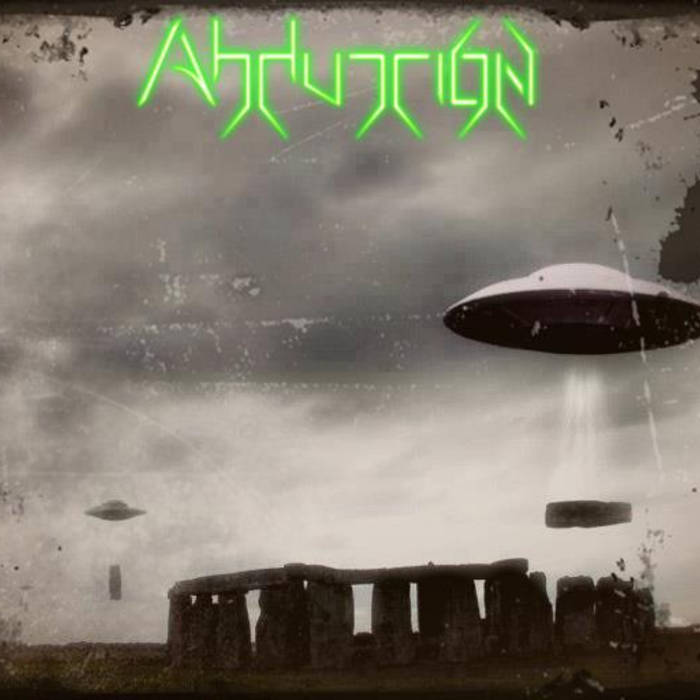
The region's death metal community exemplifies this self-sufficiency. Acts like Abducción, Spine Crown, and Convulsive have developed sophisticated approaches to production, distribution, and promotion that operate largely outside traditional industry channels. This independence becomes increasingly valuable as those traditional channels prove unreliable or inaccessible.
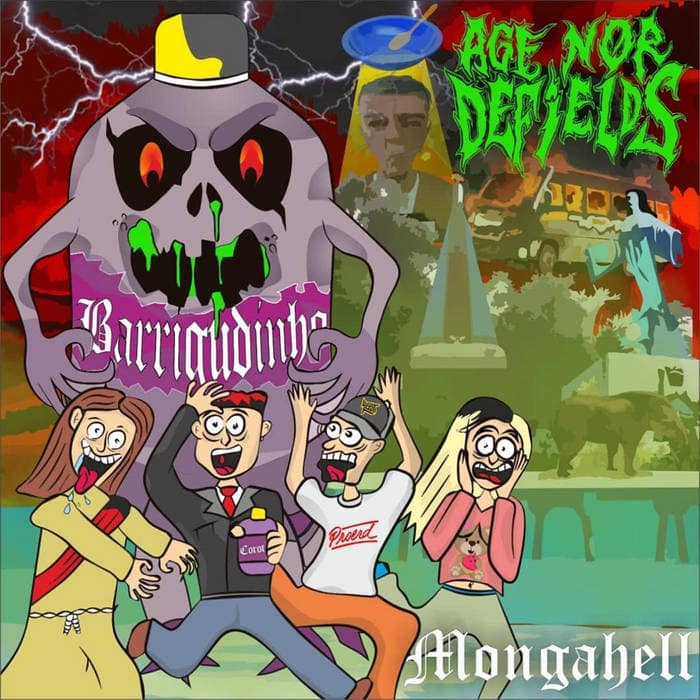
The crossover and hardcore scenes represented by bands like Age Nor Defields further demonstrate the region's genre diversity and organizational sophistication. These communities have long operated on principles of mutual aid and resource sharing that prove remarkably resilient during industry disruptions.
Digital Strategies and Direct Fan Connection
As international touring becomes more complex and expensive, successful metal acts increasingly rely on digital strategies and direct fan connections. South America's underground metal scene has pioneered many approaches that established acts now scramble to implement.

The region's musicians have mastered low-budget recording techniques that achieve professional results, social media strategies that build authentic fan relationships across language barriers, and merchandise approaches that generate meaningful revenue without major label infrastructure. These skills become increasingly valuable as the industry shifts toward more direct, community-based models.
The Path Forward for South American Metal
The convergence of international touring barriers, equipment security challenges, and black metal's renaissance creates an unprecedented opportunity window for South America's metal community. The region's extensive scene—spanning from brutal death metal acts to atmospheric black metal pioneers—possesses both the artistic credibility and operational sophistication to capitalize on these developments.
The key lies in leveraging existing strengths while remaining authentic to the underground values that created this community. South America's metal scene has always thrived on innovation born from necessity, collaborative problem-solving, and dedication to artistic integrity over commercial convenience. These qualities become competitive advantages in an industry increasingly defined by complexity and uncertainty.
As established acts like Venom face mounting barriers to international expansion, and as equipment theft and logistics challenges plague traditional touring models, South America's metal underground stands ready to demonstrate that alternative approaches not only work but often produce superior artistic and community outcomes.
The region's metal scene has spent decades preparing for this moment, though few recognized it at the time. Now, as the international metal landscape restructures around new realities of cost, complexity, and risk, South America's underground offers both inspiration and practical models for sustainable heavy music careers in an increasingly challenging industry environment.