Symphonic Black Metal Renaissance and Classic Thrash Recognition Position South America's Extreme Scene for International Breakthrough
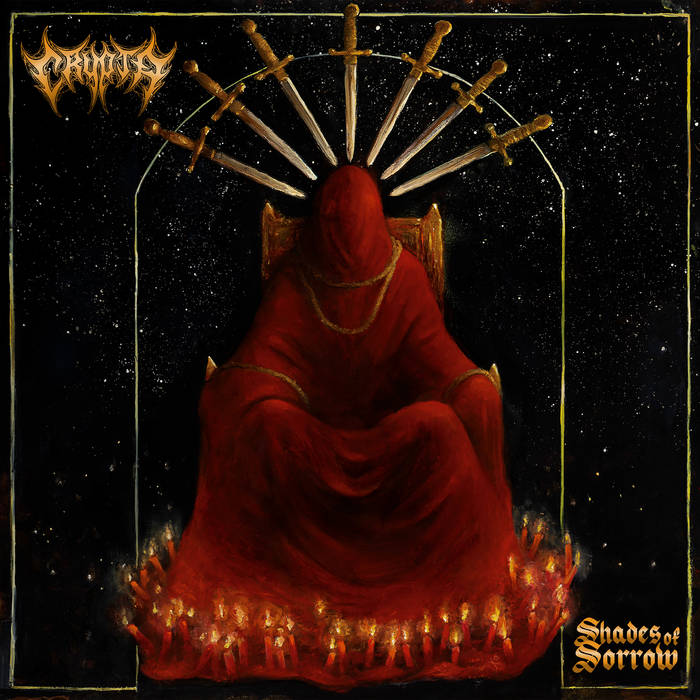
The metal world's renewed fascination with symphonic complexity and classic thrash excellence creates unprecedented opportunities for South America's diverse extreme metal community, as international recognition patterns shift toward the technical mastery and atmospheric innovation that regional acts have perfected over decades.
Symphonic Black Metal's Orchestral Evolution
The announcement of new material from symphonic black metal veterans signals a broader renaissance in orchestral extreme music that plays directly to South America's strengths. The focus on elaborate compositions and classical integration reflects trends that bands like Ars Tenebrae have explored throughout their evolution, combining traditional black metal aggression with sophisticated atmospheric layers.
This renewed interest in symphonic arrangements creates pathways for the region's black metal acts to gain international attention. The genre's emphasis on theatrical presentation and complex song structures aligns perfectly with South America's tradition of combining technical excellence with dramatic artistry. Acts focusing on atmospheric depth and orchestral integration find themselves positioned advantageously as global audiences embrace more elaborate extreme metal productions.
The patient approach to album development demonstrated by established acts validates the methodical creative processes that characterize many South American extreme metal bands. Rather than rushing releases, the emphasis on craftsmanship and artistic maturity reflects values deeply embedded in the region's underground scene, where bands prioritize musical development over commercial pressures.
Classic Thrash Recognition and Regional Heritage
Recent recognition of thrash metal legends in formal ceremonial contexts demonstrates the genre's cultural legitimacy and lasting impact. This institutional acknowledgment of metal's artistic value creates opportunities for South America's thrash heritage to gain similar recognition, particularly given the region's significant contributions to the genre's development.
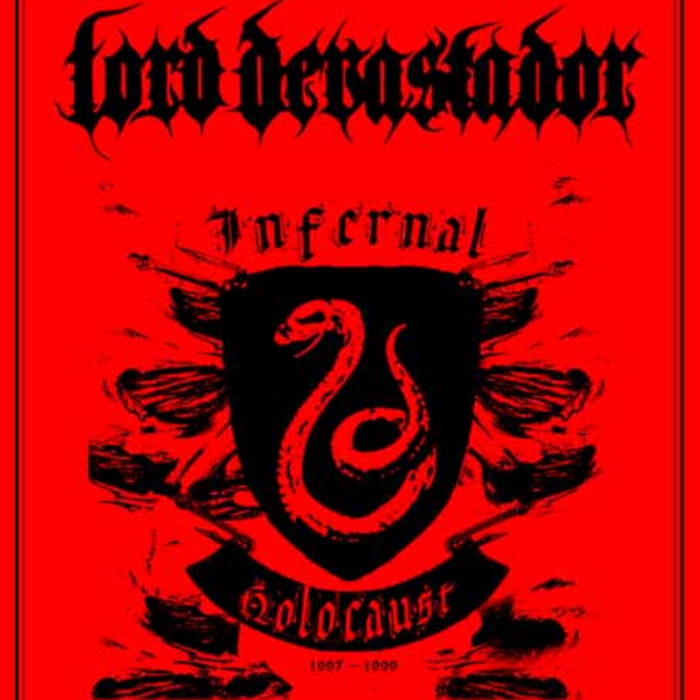
The formal celebration of thrash pioneers establishes precedents for recognizing metal's cultural importance that could benefit acts like Devastador and other regional thrash specialists who have maintained the genre's authentic spirit while developing distinctive local approaches. Argentina's metal scene, in particular, has produced numerous acts worthy of international recognition for their contributions to thrash metal's evolution.
This growing institutional respect for metal creates pathways for South American thrash bands to achieve broader cultural recognition beyond underground circles. The acknowledgment of metal's artistic legitimacy opens doors for regional acts to participate in cultural exchange programs, international festivals, and collaborative projects that were previously inaccessible.
Death Metal's Technical Resurgence
The continuing evolution of death metal toward more technical and experimental approaches favors South America's sophisticated extreme metal community. Regional death metal acts have consistently demonstrated the technical proficiency and creative innovation that international audiences increasingly demand from the genre.
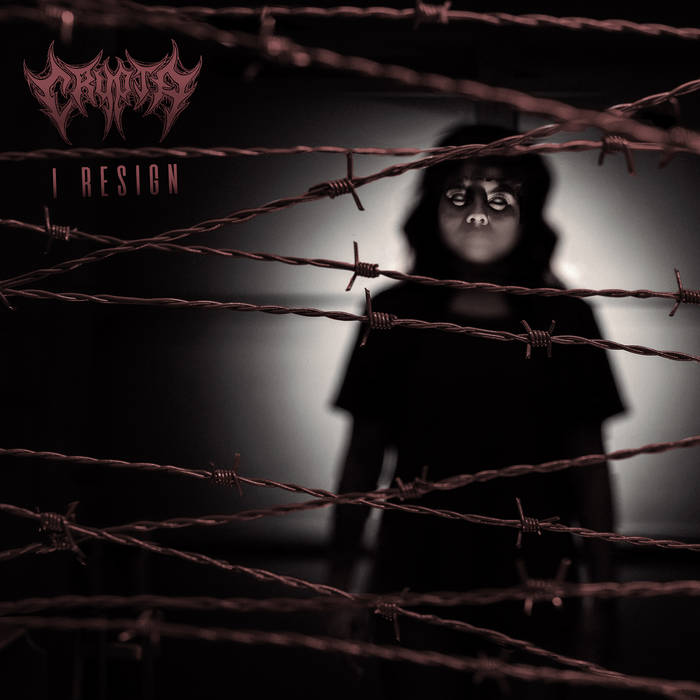
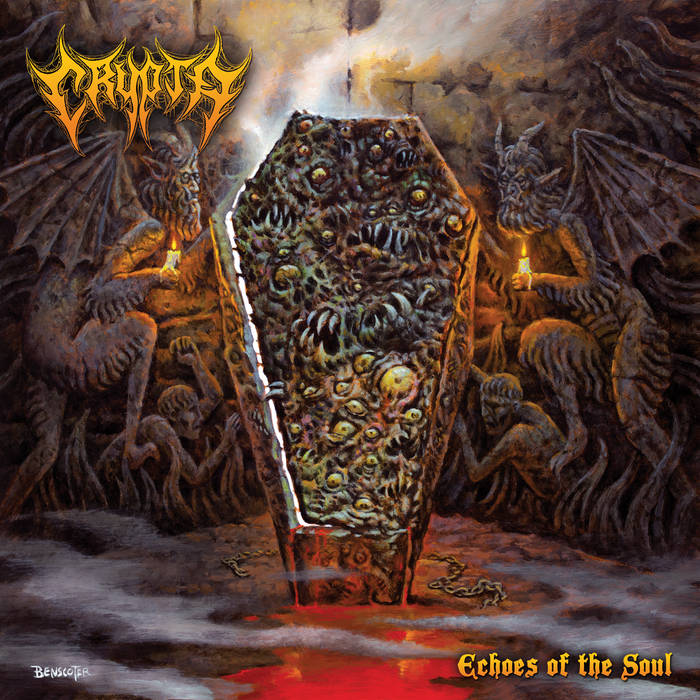
Bands like Crypta exemplify the technical excellence that defines contemporary death metal, combining precise instrumentation with creative songwriting that advances the genre's artistic boundaries. The international success of such acts validates South America's death metal credentials and creates opportunities for emerging bands to gain global recognition.
The emphasis on technical innovation within death metal aligns with South America's educational infrastructure and musical training traditions. Many regional death metal musicians possess classical training or advanced technical skills that enable them to contribute meaningfully to the genre's progressive evolution, positioning the scene advantageously as death metal becomes increasingly sophisticated.
Cross-Genre Innovation and Festival Positioning
The metal industry's embrace of genre-blending and experimental approaches creates opportunities for South American acts who have long specialized in crossover styles. The region's crossover and hardcore-influenced bands possess authentic credentials in combining metal with other genres, reflecting organic musical evolution rather than calculated commercial positioning.
Acts incorporating elements from D.I.E.'s crossover approach or exploring the hardcore-metal fusion demonstrated by regional bands find themselves aligned with international trends favoring genre fluidity. This organic approach to cross-genre experimentation provides South American bands with authenticity advantages over acts pursuing calculated commercial fusion strategies.
Festival programming increasingly values bands that offer unique stylistic perspectives rather than generic interpretations of established genres. South America's diverse metal scene provides numerous acts capable of delivering distinctive performances that stand out in crowded festival lineups, particularly as event organizers seek to differentiate their programming with authentic underground excellence.
Equipment Security and Community Networks
While equipment theft continues to plague touring musicians internationally, South America's collaborative metal community demonstrates effective approaches to gear security and mutual support. The region's bands have developed informal networks for equipment sharing and protection that could serve as models for international touring circuits struggling with similar challenges.
These community-based solutions reflect the cooperative spirit that characterizes South American metal scenes, where bands routinely support each other through equipment loans, shared rehearsal spaces, and collaborative touring arrangements. This infrastructure provides stability advantages that enable regional acts to maintain consistent performance capabilities despite economic challenges.
The emphasis on community support creates resilience that benefits the entire regional scene. When bands face equipment losses or financial difficulties, established networks provide practical assistance that enables continued creative development, ensuring that emerging acts can develop their skills and gain experience within supportive environments.
International Recognition Patterns
Recent patterns in international metal recognition suggest increasing appreciation for authenticity and technical excellence over commercial calculation. This shift favors South American metal acts who have maintained artistic integrity while developing sophisticated musical skills, positioning them advantageously as global audiences seek genuine underground excellence.
The growing emphasis on documentary culture and historical preservation in metal creates opportunities for South American scenes to share their stories and cultural contributions. Regional bands possess rich histories and unique perspectives that could appeal to international audiences interested in authentic metal narratives rather than manufactured promotional campaigns.
As the international metal industry seeks fresh talent and distinctive voices, South America's mature metal infrastructure and established musical traditions provide numerous candidates for global recognition. The region's combination of technical excellence, authentic underground credibility, and diverse stylistic approaches positions it favorably for continued international breakthrough opportunities.
The convergence of symphonic sophistication, thrash recognition, death metal innovation, and crossover authenticity creates unprecedented pathways for South American extreme metal acts to achieve international success while maintaining the artistic integrity and community values that define their regional scenes.