Black Label Society's American Crusade and Sepultura's Final Chapter Signal Heavy Metal's Generational Transition as South American Scene Prepares Leadership Role
Heavy metal's generational transition accelerates as established acts embrace farewell tours and tribute performances, creating unprecedented space for South American bands to assume leadership positions in the global metal hierarchy. The announcement of Black Label Society's expanded American Crusade tour alongside Sepultura's approaching final curtain reveals how the continent's metal infrastructure must prepare for its moment of international prominence.
Tribute Culture and Multi-Band Ventures Define Touring Strategy
Zakk Wylde's ambitious triple-duty approach with Black Label Society's American Crusade tour demonstrates how veteran performers maximize their artistic legacy through multiple simultaneous projects. The tour's structure, featuring both Black Label Society and Zakk Sabbath performances alongside Dark Chapel, represents a calculated strategy to satisfy diverse audience expectations while maintaining creative authenticity.
This multi-band touring model creates significant opportunities for South American acts who have long embraced genre versatility and cross-pollination. Bands like Grietas and Cobalto understand how to seamlessly transition between heavy metal approaches within single performances, positioning them perfectly for an industry increasingly focused on comprehensive artistic presentations.
The emphasis on tribute performances through Zakk Sabbath also signals metal's growing comfort with honoring foundational influences. South American metal's deep respect for pioneering acts like Black Sabbath, combined with the continent's sophisticated understanding of heavy metal history, creates natural advantages as international audiences seek authentic connections to the genre's roots.
Sepultura's Final Chapter and Brazilian Metal Legacy
Sepultura's farewell tour represents more than a single band's conclusion—it marks the end of an era in South American metal leadership. The Belo Horizonte legends' 42-year career established the template for how regional acts could achieve global significance while maintaining cultural authenticity, creating pathways that contemporary bands continue to navigate.
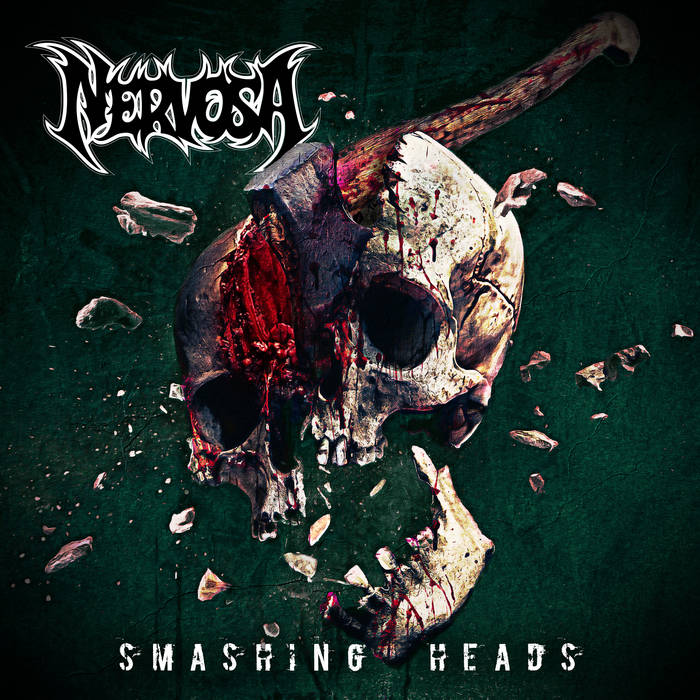
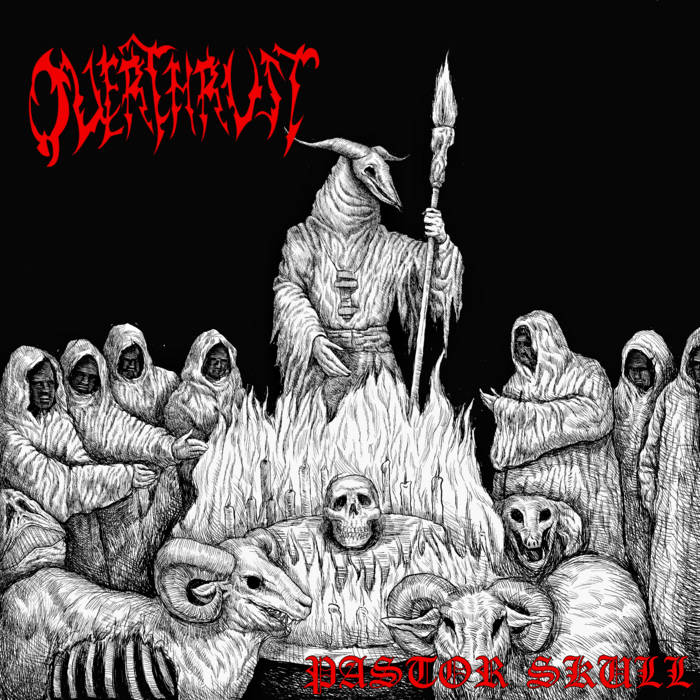
The band's approaching 2026 farewell creates immediate opportunities for Brazilian thrash and death metal acts to claim greater international attention. Nervosa's continuing evolution and the consistent excellence of acts like Overthrash position Brazil to maintain its reputation as a thrash metal powerhouse even as Sepultura concludes their legendary run.
More significantly, Sepultura's farewell strategy demonstrates how South American bands can orchestrate career conclusions with dignity and artistic integrity. Rather than simply disappearing, the band's methodical approach to their final chapter provides a blueprint for how regional acts can maximize their cultural impact while ensuring their legacy influences future generations.
Industrial Evolution and Modern Heavy Metal
The emergence of Verona On Venus and their debut of "Even Hell" represents industrial metal's ongoing evolution, particularly through former DevilDriver guitarist Mike Spreitzer's new direction. This genre expansion creates opportunities for South American acts who have long incorporated industrial elements into their heavy metal foundations.

South America's embrace of electronic experimentation within metal frameworks positions regional bands to capitalize on industrial metal's resurgence. The continent's musicians understand how to balance technological innovation with organic heavy metal authenticity, avoiding the sterile feel that often plagues industrial metal attempts.
The live debut approach chosen by Verona On Venus also demonstrates how modern heavy metal bands can build anticipation through strategic performance reveals. South American venues' intimate atmospheres and sophisticated metal audiences create ideal environments for similar new material debuts, allowing regional acts to test innovative approaches before committing to recording.
Wrestling and Entertainment Crossovers
Shinedown's "Burning Down The Disco" preview through WrestleMania demonstrates metal's expanding relationship with sports entertainment, creating new promotional opportunities that South American bands can exploit. The wrestling-metal connection has deep roots in the continent, where both forms of entertainment share working-class audiences and theatrical presentation values.
This entertainment crossover strategy opens doors for South American metal acts willing to embrace non-traditional promotional partnerships. The continent's vibrant sports culture and metal scene natural intersection points that international bands are only beginning to explore, creating first-mover advantages for regional acts who understand both audiences.
Personnel Changes and Industry Stability
Fieldy's revelation about stepping down from Korn due to COVID-related factors highlights how global disruption continues affecting veteran performers' career decisions. His openness about retirement being temporary rather than permanent reflects metal's increasing honesty about musician health and longevity concerns.
These personnel changes in established acts create opportunities for South American metal's stable band lineups to demonstrate professional advantages. The continent's musicians often maintain longer collaborative relationships and show greater commitment to band identity, qualities that become increasingly valuable as international acts struggle with roster instability.
Candlebox frontman Kevin Martin's decision to reverse his retirement plans further illustrates how veteran performers grapple with artistic fulfillment versus career exhaustion. His statement about still having "things to talk about and sing about" resonates with South American metal's tradition of using music to address social and personal concerns, suggesting that authentic artistic motivation trumps commercial calculations.
Regional Positioning for Global Expansion
These international developments create a unique window for South American heavy metal to assert greater global influence. As veteran acts conclude careers or reduce touring, regional bands with strong catalogs and professional presentations can claim larger shares of international attention and touring opportunities.
The continent's metal infrastructure has matured significantly over recent decades, with improved recording facilities, professional management, and distribution networks that can support major international campaigns. Submit your band to join the growing roster of South American acts preparing for global expansion as these opportunities develop.
South American metal's combination of technical excellence, cultural authenticity, and professional stability positions the region to assume leadership roles previously held by North American and European acts. The current generational transition creates unprecedented space for continental metal to demonstrate its sophistication and artistic depth on the global stage.