Lineup Chaos and Farewell Albums Signal Metal's Roster Revolution as South American Stability Creates Competitive Advantage
The international metal scene's current upheaval of lineup changes and farewell announcements creates an unprecedented opportunity for South America's more stable metal infrastructure to demonstrate its professional advantages. While established acts struggle with member departures and final releases, the continent's thriving underground has quietly built sustainable band structures that could prove invaluable in metal's evolving landscape.
Grindcore Shuffles Highlight Stability Issues
Escuela Grind's recent lineup transformation exemplifies the volatility plaguing modern extreme metal. The band's complex musical chairs—losing a guitarist while simultaneously converting their drummer to guitar duties and recruiting entirely new percussion—reflects broader instability within contemporary metal's professional ranks. Such dramatic restructuring mid-career suggests fundamental issues with how international acts maintain cohesive artistic visions while managing member retention.
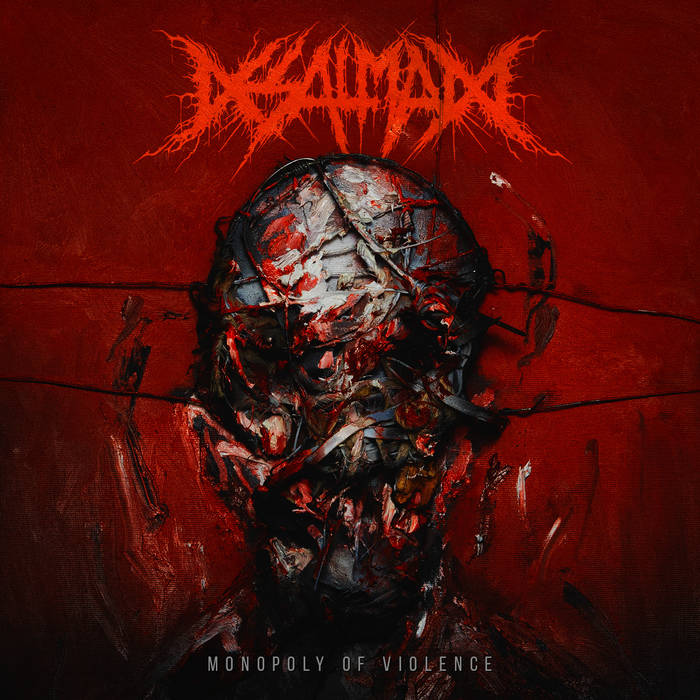
This volatility stands in stark contrast to South America's grindcore and crossover scenes, where acts like Colapso and Desalmado have maintained consistent lineups through extended careers. The continental scene's emphasis on collaborative songwriting and shared artistic responsibility creates natural stability that international acts increasingly lack.
For South American grindcore acts preparing 2026 touring strategies, Escuela Grind's situation demonstrates the professional advantages of lineup stability. Venues and promoters increasingly value bands that can guarantee consistent personnel across extended tour cycles, making the continent's stable acts more attractive booking options.
Farewell Albums Create Market Gaps
Bloodbather's announcement of their farewell album represents another significant trend affecting metal's competitive landscape. When established acts voluntarily exit active careers, they create immediate market opportunities for emerging bands ready to fill similar sonic territories. The calculated farewell album approach—releasing final material while announcing permanent departure—generates industry attention that savvy regional acts can leverage.
South America's death metal and hardcore scenes possess numerous acts capable of capitalizing on such departures. The continent's technical proficiency in extreme metal genres positions regional bands to seamlessly occupy abandoned market segments, particularly when established acts choose artistic finality over extended careers.
The farewell album phenomenon also reflects changing industry economics that favor newer acts over legacy performers. Bloodbather's decision suggests that maintaining long-term band operations has become economically challenging, even for successful acts. This economic reality creates strategic advantages for South American bands operating with lower overhead costs and stronger regional support networks.
Thrash Legends Maintain Momentum While Others Falter
Testament's extensive "Thrash of the Titans" tour documentation reveals the stark contrast between thrash metal's enduring appeal and other subgenres' instability. The Bay Area veterans' successful union with Overkill and Destruction demonstrates that certain metal styles maintain consistent audience demand while others struggle with lineup chaos and premature endings.
This thrash metal renaissance creates significant opportunities for South America's extensive thrash scene. The continent's rich thrash heritage, exemplified by acts like Sepultura and Violator, positions regional bands to capitalize on renewed international interest in the genre. Testament's tour success proves that metal bands touring 2026 can achieve substantial commercial success when focusing on classic thrash elements.
The "Thrash of the Titans" model also suggests that collaborative touring approaches generate more industry attention than individual band efforts. South American thrash acts could benefit from similar multi-band tour packages that combine regional veterans with emerging talents, creating compelling touring propositions for international venues.
Wrestling Meets Metal in Unexpected Tributes
The intersection of professional wrestling and metal culture, demonstrated through recent tribute events, highlights metal's expanding cultural influence beyond traditional concert venues. Such crossover events suggest new promotional opportunities for metal bands willing to engage with broader entertainment industries.
South America's strong wrestling traditions and passionate metal scenes create natural synergies that international acts often lack. Regional metal bands could explore similar collaborations with local wrestling promotions, creating unique entertainment experiences that generate media attention while expanding audience bases.
The tribute aspect of such events also demonstrates metal culture's deep emphasis on community and remembrance. South American metal scenes, with their strong collaborative traditions, are particularly well-positioned to organize meaningful tribute events that honor both local and international metal figures.
Classic Lineup Debates and Regional Advantages
Ongoing discussions about bands touring without classic lineups reflect broader industry tensions between nostalgia and evolution. Judas Priest's Richie Faulkner's recent defense of lineup changes acknowledges the practical realities facing long-running acts, while also highlighting the challenges such changes create for audience acceptance.
South American metal bands, particularly those in the heavy metal and traditional metal genres, face different dynamics regarding lineup authenticity. Regional acts often build audiences based on current musical abilities rather than historical nostalgia, creating more sustainable long-term careers that don't depend on maintaining specific personnel configurations.
This fundamental difference in audience expectations provides South American bands with significant competitive advantages when pursuing international opportunities. Acts like Cruzdiablo and Amazon can focus entirely on musical excellence without managing complex legacy expectations that burden established international acts.
Health Issues Create Unexpected Opportunities
Medical cancellations affecting veteran performers underscore the physical demands of professional metal careers while creating immediate booking opportunities for replacement acts. Chris Holmes's prostate-related tour cancellation represents a broader pattern of health issues affecting older metal performers, particularly those maintaining aggressive touring schedules.
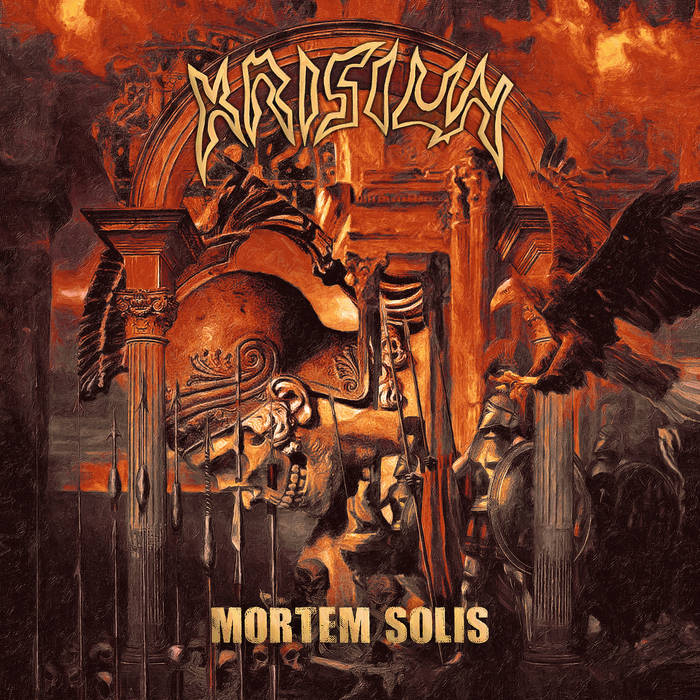
Such cancellations create immediate opportunities for South American acts ready to fill international touring slots on short notice. The continent's numerous professional metal bands, spanning genres from doom metal pioneers like Gólgota to technical death acts like Krisiun, possess the technical skills and professional infrastructure necessary to capitalize on unexpected touring opportunities.
The health-related cancellation trend also suggests that younger, physically capable acts will increasingly dominate touring markets. South America's emerging metal generation, raised on professional metal education and modern fitness awareness, may possess significant advantages over older international competitors struggling with health maintenance.
Pop Culture Integration Opens New Avenues
Metal's expanding presence in mainstream entertainment, from American Idol segments featuring Slipknot lyrics to celebrity family legal dramas involving metal musicians, demonstrates the genre's growing cultural penetration beyond traditional boundaries. Such mainstream integration creates new promotional opportunities for metal acts willing to engage with broader entertainment landscapes.

South American metal scenes could particularly benefit from this mainstream integration trend. The continent's vibrant entertainment industries, from telenovelas to reality programming, offer natural platforms for metal band promotion that international acts often cannot access.
The key for regional acts lies in maintaining musical authenticity while engaging with mainstream entertainment opportunities. South America's metal bands have historically excelled at balancing commercial accessibility with underground credibility, skills that become increasingly valuable as metal integrates with broader entertainment industries.

Strategic Positioning for 2026 and Beyond
The current international metal scene's instability creates unprecedented opportunities for South American acts ready to demonstrate professional reliability, artistic consistency, and cultural authenticity. While established acts struggle with lineup chaos, farewell albums, and health issues, the continent's metal infrastructure has quietly built sustainable alternatives that could prove decisive in capturing new market opportunities.
Regional bands preparing for international expansion should emphasize lineup stability, professional reliability, and authentic artistic vision—precisely the qualities that international acts increasingly struggle to maintain. The continent's best death metal bands and thrash pioneers possess technical skills matching any international competition, while maintaining the stability and authenticity that modern metal markets increasingly demand.
As the global metal industry navigates these challenging transitions, South America's patient development of professional metal infrastructure positions the continent's bands to capitalize on opportunities created by international scene instability. The foundation for regional metal's international breakthrough has been quietly building for years—current industry chaos simply provides the opening that prepared South American acts need to demonstrate their capabilities on global stages.