Medical Tour Cancellations and Lineup Upheavals Create 2026 Touring Opportunities as South American Venues Prepare for Metal's Health Crisis
The global metal touring circuit faces an unprecedented wave of medical-related cancellations and lineup changes, creating unexpected opportunities for South American metal acts as the continent's venues prepare to navigate an industry grappling with aging performers and health crises.
Health Issues Reshape 2026 Touring Landscape
The announcement of Scorpions canceling their Indian tour due to unforeseen medical circumstances follows their previous cancellation of South American dates in 2024, highlighting a pattern that extends beyond individual bands to reflect broader industry challenges. Former W.A.S.P. guitarist Chris Holmes's prostate-related tour cancellation for May 2026 demonstrates how even relatively minor health issues are forcing veteran performers to reassess their commitments, creating gaps in the touring calendar that regional acts can fill.
This medical crisis coincides with significant lineup changes across multiple bands. 40 Below Summer's guitarist transition and Escuela Grind's new drummer Jake Sanders represent the kind of rapid personnel shifts that reflect both creative evolution and practical necessities in an increasingly demanding industry.
For South American metal venues and promoters, these developments create strategic opportunities. As international acts face health-related uncertainties, regional touring circuits become more valuable for both domestic and visiting bands seeking reliable performance opportunities.
Veteran Acts Navigate Personnel Transitions
The current wave of lineup changes extends beyond simple personnel shifts to reflect deeper industry transformations. SNOT's continued work on their first album with new singer Andy Knapp exemplifies how established acts are adapting to both creative and practical challenges, with producer Chris Collier helping bridge the gap between legacy sound and contemporary production approaches.
These transitions particularly impact South American metal scenes, where international touring acts often provide crucial exposure for local supporting bands. When established acts face uncertainties, regional scenes must develop stronger domestic touring networks to maintain momentum.
The completion of Insidious Disease's third album, featuring members from Dimmu Borgir and Napalm Death, demonstrates how supergroup collaborations continue thriving despite individual band challenges. This model offers insights for South American acts looking to create cross-border collaborations that transcend individual band limitations.
Death Metal and Thrash Scenes Adapt to Industry Changes
The current industry upheaval particularly affects death metal and thrash metal scenes, where veteran performers face the greatest health challenges while younger acts struggle for visibility. Escuela Grind's completion of their new album with fresh lineup additions shows how emerging acts are capitalizing on opportunities created by industry instability.
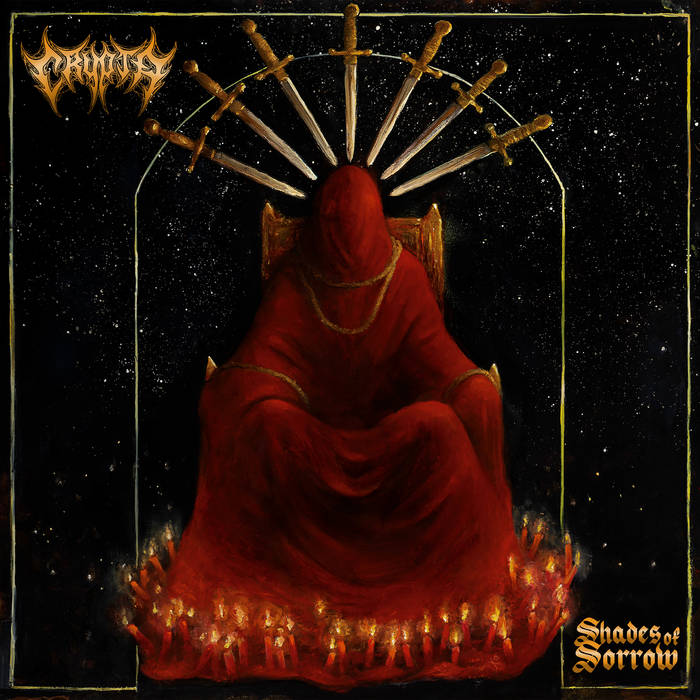
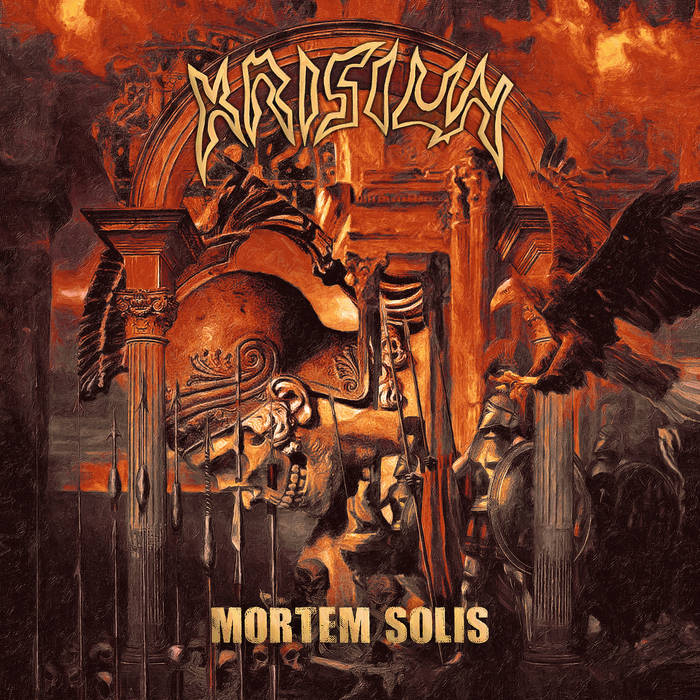
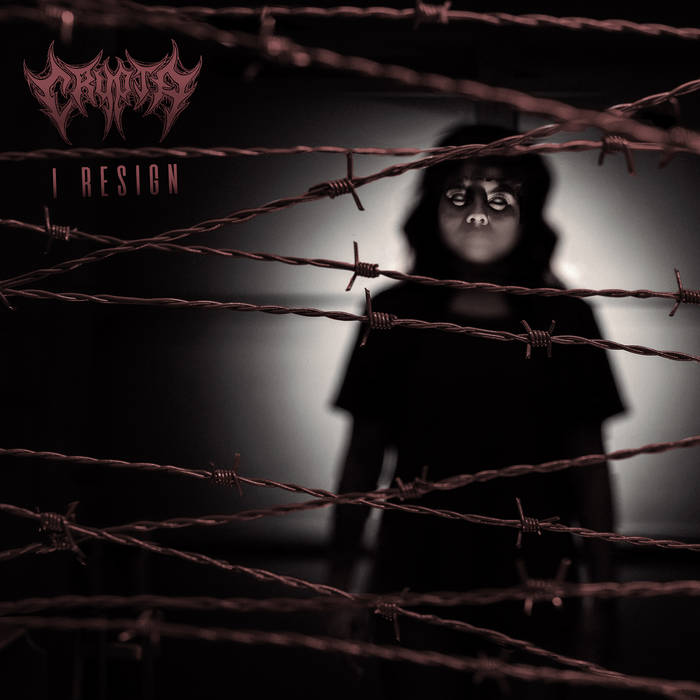
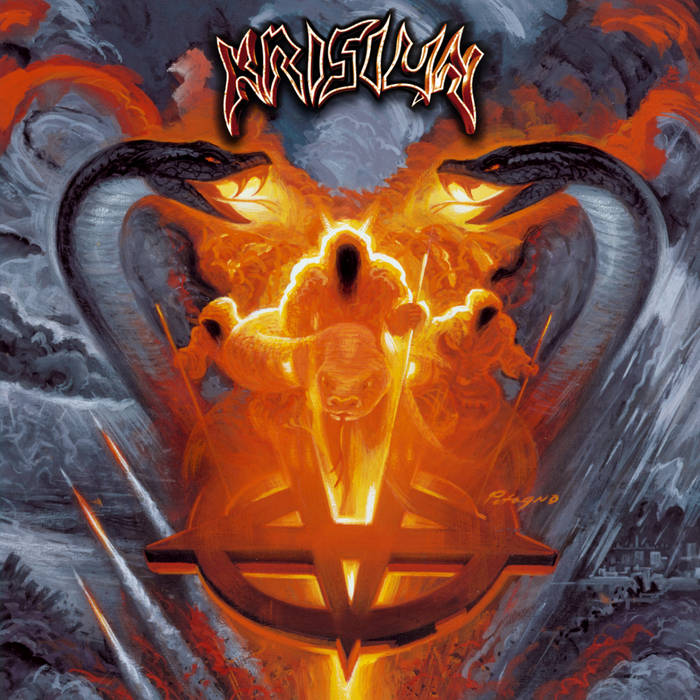
South American death metal acts like Krisiun and Crypta are well-positioned to benefit from these developments, as their technical proficiency and consistent touring activity make them reliable alternatives when international acts face cancellations or lineup uncertainties.
The thrash metal revival continues gaining momentum across South America, with bands maintaining the aggressive energy that made the genre essential while adapting to contemporary production and distribution methods. This positions regional thrash acts to fill touring gaps left by aging international performers dealing with health issues.
Progressive and Alternative Metal Embrace Change
Progressive metal's technical demands create unique challenges when veteran performers face health issues, but also opportunities for younger musicians to demonstrate their capabilities. The genre's emphasis on musical complexity rather than physical endurance makes it more adaptable to industry changes affecting traditional metal touring.
Dave Grohl's recent comments about political and social tensions in the United States reflect how veteran performers are increasingly using their platforms to address broader issues, creating space for international acts to offer alternative perspectives and artistic approaches.
South American progressive acts benefit from this environment, as their technical sophistication and fresh perspectives become increasingly valuable to audiences seeking alternatives to predictable mainstream metal offerings.
Digital Innovation Meets Traditional Metal Values
Nekrogoblikon's new EP and controversial music video demonstrate how established acts are using digital platforms to maintain relevance despite touring uncertainties. Their approach shows how bands can build audiences through online content when traditional touring becomes unreliable.
The intersection of digital innovation with traditional metal authenticity creates opportunities for South American acts willing to embrace both technological tools and underground credibility. Bands that master this balance can reach international audiences without depending entirely on traditional touring circuits.
Celebrity crossovers, like Danielle Fishel testing American Idol contestants on Slipknot lyrics, demonstrate metal's mainstream penetration while highlighting opportunities for authentic metal acts to capitalize on increased general interest in the genre.
Underground Authenticity vs. Mainstream Recognition
The current industry turbulence emphasizes the value of underground authenticity over mainstream positioning. Bloodbather's farewell album approach shows how acts are choosing artistic integrity over extended career calculations, creating models that resonate with South American underground ethics.
Personal struggles, like those affecting Deadsy frontman Elijah Blue Allman, remind the metal community that artistic authenticity often comes with serious challenges. South American metal scenes have historically embraced the connection between personal struggle and artistic expression, positioning them well to offer genuine alternatives to sanitized mainstream metal.
The emphasis on authentic expression over commercial calculation creates opportunities for regional acts that prioritize artistic development over market positioning, particularly as international audiences seek alternatives to predictable mainstream offerings.
South American Metal's Strategic Positioning
As international metal faces health crises, lineup instability, and touring uncertainties, South America's metal scene demonstrates the advantages of strong regional foundations. Domestic touring circuits, cross-border collaborations, and emphasis on technical excellence create stability that transcends individual band or performer challenges.
The continent's metal infrastructure continues developing professional capabilities while maintaining underground authenticity, creating optimal conditions for both domestic scene growth and international recognition. Venues, promoters, and supporting industries are preparing for increased opportunities as traditional touring circuits face disruption.
Regional acts benefit from this environment by developing sustainable career models that don't depend entirely on international touring or major label support. The combination of technical excellence, authentic expression, and professional development creates foundations for long-term success regardless of broader industry turbulence.
The current wave of cancellations and lineup changes ultimately reinforces the importance of regional metal scenes that can adapt quickly while maintaining artistic integrity. South American metal's emphasis on community, technical excellence, and authentic expression positions the continent to thrive during a period when established international acts face unprecedented challenges.