Slayer's Hell Awaits Anniversary Celebration Ignites South American Thrash Metal Resurgence as Big Four Legacy Inspires Regional Pioneers

The metal world celebrates a monumental anniversary as Slayer's groundbreaking second album "Hell Awaits" receives a lavish 40th-anniversary reissue treatment, arriving just as South America's thrash metal scene experiences unprecedented creative momentum. The elaborate three-LP vinyl box set from Metal Blade Records represents more than nostalgic packaging—it's a testament to thrash metal's enduring power to inspire new generations of extreme musicians across the continent.
Slayer's 1985 masterpiece fundamentally altered heavy music's trajectory, introducing the hybrid of metal and punk that would define thrash's most aggressive characteristics. The album's darker, more complex songwriting compared to their debut "Show No Mercy" established blueprints that continue influencing South American metal acts four decades later. From the opening moments of "Hell Awaits" to the closing chaos of "Hardening of the Arteries," Kerry King and Jeff Hanneman's guitar work created templates that regional bands still study and reinterpret.
The timing of this anniversary celebration coincides perfectly with South America's current thrash renaissance. Brazilian acts like Sepultura helped establish the continent as a thrash metal powerhouse in the late 1980s, but today's generation carries that legacy forward with fresh perspectives and modern production techniques. The influence of Slayer's early work remains evident in the DNA of contemporary South American thrash, from the precise aggression of established acts to the raw energy of emerging bands.
Big Four Influence Shapes Regional Identity
Recent comments from Megadeth's Dave Mustaine about his influential guitar work across the Big Four of thrash—Metallica, Slayer, Anthrax, and Megadeth—highlight how these legendary acts continue shaping global metal culture. Mustaine's claims about his contributions to multiple bands' musical development underscore the interconnected nature of thrash's founding fathers, whose collective influence extends far beyond North American borders.
This Big Four legacy resonates particularly strongly in South America, where thrash metal developed its own distinct characteristics while maintaining connections to the original Bay Area and Los Angeles scenes. The continent's thrash bands absorbed these influences and created something uniquely their own—more politically charged, often more technically proficient, and deeply connected to local cultural movements.
Contemporary South American thrash acts like Satanica and Sacrilegio demonstrate how the genre continues evolving while respecting its roots. These bands understand that thrash metal's power lies not just in speed and aggression, but in its ability to channel social frustration and political awareness through precisely crafted musical violence.
Death Metal's Technical Evolution
While thrash celebrates its anniversary milestones, South America's death metal scene continues pushing technical boundaries. Recent video releases from bands like Jungle Rot showcase the genre's ongoing commitment to musical brutality, but South American death metal acts have consistently raised the bar for technical proficiency and compositional complexity.
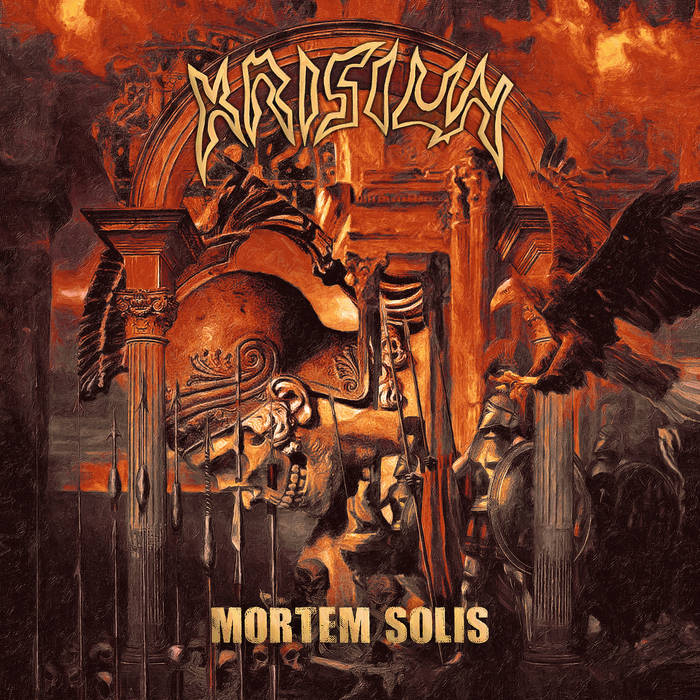
The continent's best death metal bands have always understood that extremity without substance becomes meaningless noise. Acts like Krisiun built international reputations by combining blistering speed with sophisticated songwriting, while newer bands like Infectious Offerings and Intense Desire to Kill continue exploring death metal's most extreme territories with precision and purpose.
Progressive elements increasingly influence South American death metal, with bands incorporating complex time signatures and unconventional song structures without sacrificing the genre's fundamental brutality. This technical evolution reflects the high level of musicianship throughout the region, where conservatory-trained musicians regularly contribute to extreme metal's development.
Touring Landscape and International Opportunities
Recent tour announcements from international acts highlight both opportunities and challenges facing South American metal bands. While major acts continue booking extensive global tours, the continent's metal scene benefits from increased international attention and touring circuit development.

The growth of South American metal festivals creates crucial platforms for regional bands to connect with international audiences and industry professionals. These events demonstrate the continent's passionate metal fanbase and professional event production capabilities, factors that make South America an increasingly attractive destination for international touring acts.
Local bands are capitalizing on this momentum by developing their own touring networks and cross-border collaborations. The shared language and cultural connections between many South American countries create natural touring circuits that don't exist in other regions, giving local metal acts advantages in building sustainable performance careers.
Industry Changes Create Regional Opportunities
Recent legal developments regarding Live Nation and Ticketmaster's monopolistic practices signal potential changes in the global music industry that could benefit regional scenes. As the industry faces increased scrutiny over monopolistic behavior, alternative platforms and independent venues gain importance for developing artists and local scenes.
South America's metal scene has always operated with greater independence from major industry players, creating resilient networks of venues, promoters, and media outlets that support local artists. This independence positions the region well to benefit from any industry restructuring that emerges from ongoing legal challenges to major concert promotion monopolies.
Independent labels and digital distribution platforms provide South American metal bands with direct access to global audiences, reducing dependence on traditional industry gatekeepers. The combination of strong local scenes and digital reach creates unprecedented opportunities for regional bands to build international followings.
Looking Forward: South American Metal's Global Position
As established metal acts celebrate milestone anniversaries and veteran musicians reflect on their influences, South America's metal scene continues building its own legacy. The continent's bands combine deep respect for metal's foundational works with innovative approaches that push genres forward.
The current moment represents a crucial opportunity for South American metal to strengthen its global position. International recognition of the region's musical quality, combined with growing tour circuit development and digital platform access, creates conditions for unprecedented growth in the scene's international influence.
Whether through thrash metal's continued evolution, death metal's technical innovations, or the exploration of progressive and doom territories, South American metal bands are writing their own chapter in heavy music history. The anniversary celebrations of legendary albums like "Hell Awaits" remind us how foundational works continue inspiring new generations, but today's South American metal scene proves that inspiration transforms into innovation when filtered through passionate, skilled musicians ready to push boundaries.
The next few years will likely see increased international touring by South American metal acts as global recognition grows and industry barriers continue falling. For a region that has always combined technical skill with genuine passion for extreme music, the current landscape offers unprecedented opportunities to share that combination with the world.