Band Breakups and Member Swaps Define Metal's Current Crisis While Industrial Acts Build 2026 Festival Momentum
The opening months of 2025 have exposed deep fractures within metal's established order, as high-profile departures and bitter public statements reveal the toxic dynamics plaguing veteran acts. Meanwhile, industrial and dark electronic artists are securing prime festival slots for 2026, suggesting a significant shift in heavy music's commercial priorities.
Toxic Masculinity and Substance Abuse Rock Veteran Death Metal
The most explosive development comes from death metal legends Suffocation, where drummer Eric Morotti's departure has torn back the curtain on internal band dynamics that many prefer to keep hidden. Morotti's public statement about refusing to work with "toxic, abusive drug addicts" represents a rare moment of transparency in a genre that typically handles such matters privately.
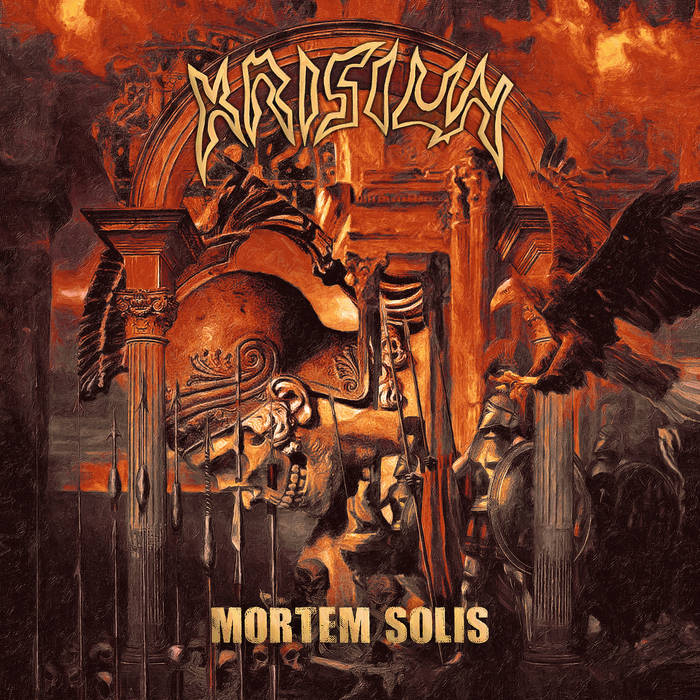
This type of public breakdown isn't unprecedented in extreme metal, but it highlights ongoing issues within touring metal acts where substance abuse and interpersonal toxicity can destroy decades of musical partnership. For Krisiun and other South American death metal veterans who have maintained stable lineups for years, these international incidents serve as cautionary tales about the importance of professional conduct and mutual respect.
The broader death metal community has watched similar implosions destroy promising careers, and Morotti's willingness to speak publicly about these issues may encourage other musicians to prioritize their mental health and professional standards over loyalty to dysfunctional situations.
Industrial and Dark Electronic Acts Dominate 2026 Festival Planning
While traditional metal acts struggle with internal conflicts, the 2026 Cold Waves Festival lineup reveals industrial and dark electronic music's growing festival presence. The booking of TR/ST, Stabbing Westward, and King Woman alongside Tear Garden, Youth Code, and PIG demonstrates how festival promoters are responding to audience demand for darker, more atmospheric heavy music experiences.
This trend reflects broader changes in how metal bands touring in 2026 are approaching their sound and presentation. The industrial metal crossover that defined the late 1990s is experiencing renewed interest, particularly among younger audiences discovering these sounds through streaming platforms and social media.
For South American acts operating in similar sonic territories, these festival developments suggest expanding opportunities for dark ambient and atmospheric metal projects. Bands like Nostalgie Depression, whose depressive black metal incorporates dark ambient elements, may find increased international interest as festival programmers seek acts that bridge traditional extreme metal with electronic textures.
Lineup Changes Signal Industry-Wide Personnel Crisis
Beyond the Suffocation drama, multiple acts are announcing significant lineup changes that suggest deeper structural problems within the touring metal ecosystem. Godsmack's recruitment of new guitarist Sam Koltun and drummer Wade Murff for their 2026 tour indicates that even commercially successful acts are struggling to maintain consistent personnel.
The Black Queen's addition of ex-Nine Inch Nails and A Perfect Circle member Danny Lohner to their touring lineup represents a different approach – strategic recruitment of experienced players who can enhance both the live performance and the band's industry connections. This model may prove more sustainable than the traditional approach of trying to maintain original lineups indefinitely.
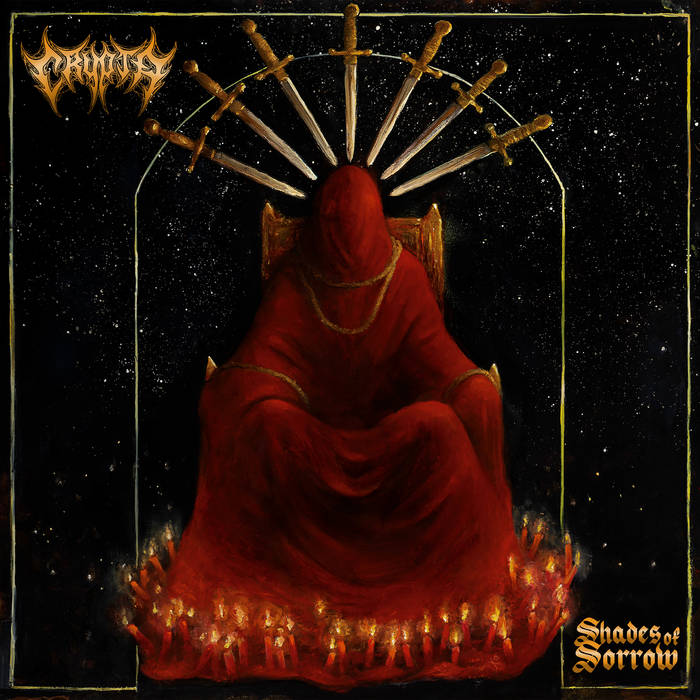
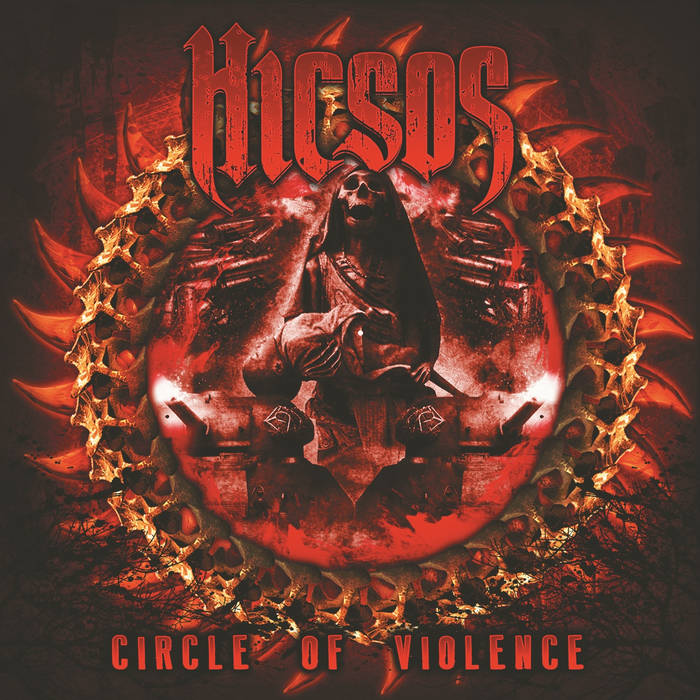
These personnel shifts create opportunities for skilled musicians throughout the Americas. South American metal scenes have produced world-class players across all genres, from the technical death metal mastery demonstrated by Crypta to the thrash metal precision of acts like Hicsos. As international acts struggle to find reliable touring members, regional musicians with strong technical skills and professional attitudes may find unexpected opportunities.
Christian Metal Faces Conservative Pushback
The controversy surrounding Christian metalcore singer Magdalene Rose, who faces church boycotts for being "too heavy," highlights ongoing tensions within religious metal communities. These conflicts aren't new – similar debates raged during the peak years of Solid State Records in the late 1990s and early 2000s – but they reveal how conservative religious communities continue to struggle with heavy music's artistic expression.
This tension creates interesting opportunities for South American metal acts operating in predominantly Catholic cultural contexts. The region's complex relationship with religious authority and artistic expression has produced unique approaches to spiritual themes in extreme metal, often with more nuanced theological perspectives than their North American counterparts.
Bands like Battlespells, whose atmospheric black metal explores spiritual themes without traditional Christian frameworks, represent alternative approaches to transcendent subject matter that avoid the binary conflicts plaguing North American Christian metal scenes.
Underground Touring Networks Expand Despite Mainstream Chaos
While veteran acts struggle with internal problems, underground touring networks continue expanding. The announcement of extensive Canadian summer tours featuring AngelMaker, Ingested, and Disfiguring The Goddess demonstrates how extreme metal's grassroots touring infrastructure remains robust despite broader industry challenges.
These developments suggest opportunities for South American extreme metal acts to connect with international underground touring networks. The global extreme metal community has always operated through informal networks of promoters, venues, and bands who prioritize artistic integrity over commercial considerations.
For death metal acts like Human Atrocity or DyingBreed, these expanding underground networks represent viable paths to international exposure that don't require major label support or mainstream festival bookings.

Regional Scene Development and International Connections
The current chaos in international metal scenes creates both challenges and opportunities for South American acts. While established bands struggle with internal conflicts and lineup instability, the underground metal community's infrastructure continues growing stronger.
The industrial metal revival visible in major festival lineups suggests that atmospheric and experimental approaches to heavy music are gaining commercial viability. This trend favors innovative acts willing to incorporate electronic elements, ambient textures, or unconventional song structures into their sound.
As what metal bands are touring in 2026 becomes clearer, the emphasis on reliability, professionalism, and creative innovation over legacy status and name recognition may benefit newer acts with strong work ethics and fresh approaches to familiar genres.
For bands seeking to connect with these expanding networks, maintaining professional standards while developing distinctive artistic voices remains the most reliable path to sustainable career development. The current industry turmoil demonstrates that talent and professionalism ultimately matter more than historical reputation or commercial success.
Check our upcoming shows page for local metal events, and don't forget to submit your band to join South America's most comprehensive metal database.