When Death Metal Legends Fill In: Obituary's Turnstile Slot and What It Means for South America's Underground
Sometimes the most telling metal news of the week isn't a new album or a canceled arena show — it's a lineup swap. When Florida death metal institution Obituary and hardcore outfit No Warning stepped in to replace Yves Tumor on three dates of Turnstile's upcoming tour, it sent a small but meaningful signal through the extreme metal world: death metal's elder statesmen are still the band promoters call when they need to deliver something heavy, credible, and battle-tested. For a South American metal scene that has quietly built one of the deepest death metal underbellies on the planet, that's worth paying attention to.
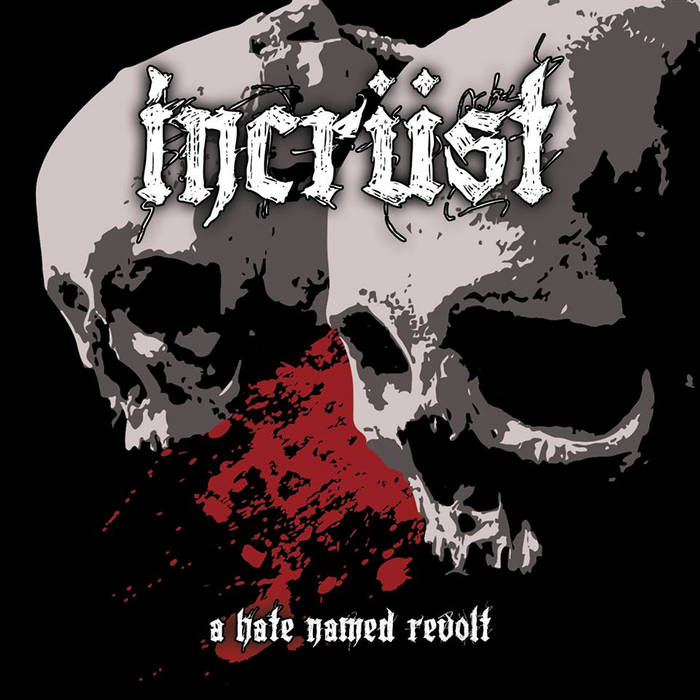
Our own index carries 242 death metal bands from across the continent, and yet the genre has had zero dedicated coverage on this site until now — a gap that feels almost absurd given how foundational death metal has been to South American extreme music since the Brazilian and Colombian scenes exploded in the late 1980s. Bands like Kromorth, Sadomantik, and Incrust carry that same commitment to riff-first brutality that made Obituary a genre cornerstone in the first place. When a band like Obituary gets called up to fill a gap on a marquee tour, it's a reminder that death metal doesn't need reinvention to stay relevant — it needs conviction, and that's something bands like Lostrahuman and Totemtabu have never lacked.
Anthrax, Thrash's Long Game, and the Setlist Problem Every Legacy Band Faces
Anthrax guitarist Scott Ian has been making the rounds ahead of the band's twelfth studio album, "Cursum Perficio," out September 18 via Megaforce and Nuclear Blast — the band's first new full-length in the better part of a decade. In a recent interview, Ian addressed the eternal curse of the thrash veteran: nobody agrees on what belongs in the set.
"To make everyone happy with our setlist, it's just never going to happen."
It's a small quote, but it captures something universal about being a thrash band with a 40-year catalog — and it's a problem that South American thrash acts are only starting to encounter as their own back catalogs deepen. Thrash remains one of the most populous genres in our index at 155 bands and, like death metal, has gone uncovered here until now. Bands like Violator have been carrying the flag of old-school Brazilian thrash for decades, while newer generations like Thrashera, Bastardos, and A.D.H.E.R. are proving the genre still has plenty of fuel left in the tank across Ecuador, Argentina, and beyond. If Anthrax's setlist dilemma is any indication, these bands should enjoy the problem of "too much material" while it's still ahead of them rather than behind them.
Neurosis, Converge, and Doom's Quiet Resurgence
Bay Area doom/sludge architects Neurosis have announced new tour dates, including an appearance at Converge's Saddest Day Festival, with some cities getting two consecutive nights of shows. Neurosis has spent over three decades redefining what heaviness can sound like without relying on speed or aggression alone — a blueprint that doom and sludge bands across South America have absorbed and localized in their own way.
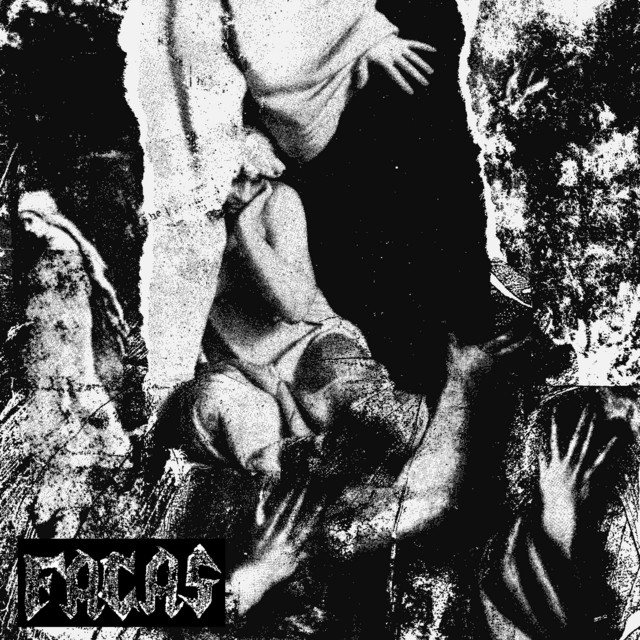
Doom remains one of the more under-covered corners of our regional index, with 70 bands and no dedicated feature until now. That's a shame, because South America's doom scene punches well above its numbers. Satanes bring a stoner-doom heaviness that owes as much to Sabbath as to Neurosis's atmospheric dread, while Druidess lean into gothic doom textures that feel worlds away from the desert but share the same commitment to slow-burn tension. Sludge-adjacent acts like Facas and stoner rockers Buffalo round out a corner of the scene that deserves far more attention than it gets — proof that not every great South American metal band needs blastbeats to leave a mark.
Within Temptation's Sharon Den Adel on Art in Chaotic Times
Elsewhere, Within Temptation's Sharon Den Adel gave a striking interview to Sonic Seducer, reflecting on whether artists carry a responsibility to engage with the state of the world through their music.
"The world's gone crazy, and the unimaginable is happening right now again."
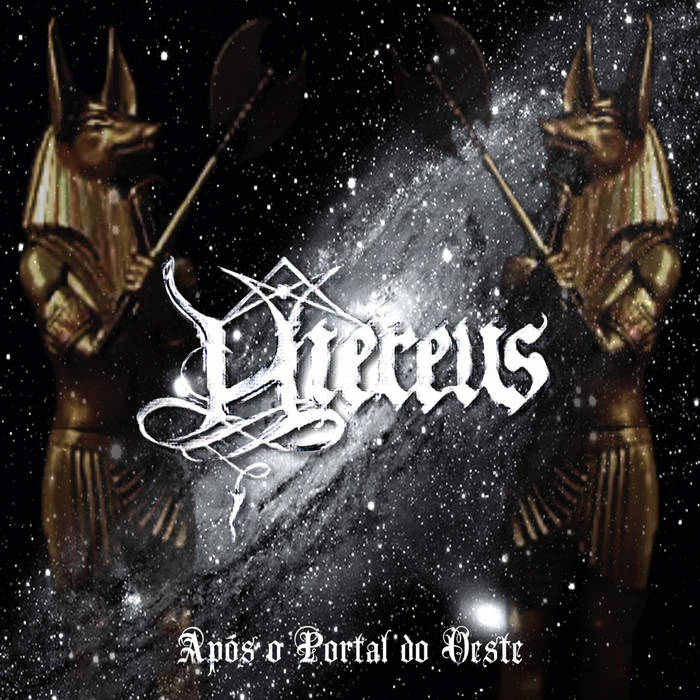
It's a sentiment that resonates loudly across South America, where black and heavy metal scenes have long used the genre as a vehicle for social and political commentary — often more directly than their European or North American counterparts, given the region's turbulent recent history. Black metal remains the single largest unrepresented genre on this site with 198 bands and no coverage to date, which is a genuine oversight considering how much the region's scene has contributed to the genre's global identity. Bands like Macabre Harvest, Ar da Desgraça, and Declínio channel atmosphere and aggression into something that feels distinctly tied to place, while symphonic acts like Hiereus and speed-driven units like Cult of Horror and Night Eternal show the genre's range in the region. If Den Adel is right that the world's chaos demands a response from artists, South American black metal has been answering that call for decades — it just hasn't always gotten the international spotlight it deserves.
Weather, Venues, and the Fragility of Big Tours
On the logistics side of things, Live Nation's cancellation of AC/DC's September 16 Toronto stadium show — after severe storm damage to the 50,000-capacity Rogers Stadium couldn't be repaired in time — is a reminder that even the biggest legacy acts in the world are at the mercy of infrastructure and weather. It's a lesson South American promoters know intimately. As the region's festival circuit continues to expand and more international acts look at South America as a viable stop for metal bands touring 2026, venue reliability and weather contingency planning will only become more important. A canceled stadium show in Toronto is a headline; a canceled outdoor metal fest in a region with a less mature touring infrastructure can set a local scene back years in terms of promoter trust and fan investment.
It's also worth noting how quickly bands are being asked to fill gaps on short notice these days — Obituary and No Warning stepping in for Turnstile is one example, but it underscores a broader trend of festival lineups becoming more fluid and reactive. For new metal bands in 2026 hoping to break into bigger stages, being ready, rehearsed, and available on short notice might matter as much as having the right sound.
Legacy, Continuity, and Where South America Fits
Between Anthrax wrestling with 40 years of material, Neurosis proving doom's slow-motion menace still commands festival billing, Obituary getting the call when a tour needs death metal credibility, and Within Temptation using their platform to speak to a chaotic world, this week's headlines all point to the same conclusion: metal's biggest institutions endure because they never stopped taking the genre seriously, even as trends shifted around them. That's a lesson the South American metal scene has already internalized. From The Troops of Doom carrying Brazilian death/thrash history forward to countless younger bands filling out our death, black, thrash, and doom pages, the region isn't chasing trends — it's building its own canon of best heavy metal songs and albums that deserve to sit alongside any list of the best metal albums of all time.
If you're in a South American death, black, thrash, doom, or heavy metal band and you don't see yourselves represented yet, now's the time to change that — head over to submit your band and get on the radar. And if you're looking for where to catch some of these acts live, check upcoming shows across the region before the calendar fills up. The best metal bands aren't always the loudest online — sometimes they're just the ones who show up, tour relentlessly, and let the riffs do the talking.