Lineup Instability and Stage Safety Incidents Signal Metal's Professionalization Crisis

The metal world is experiencing an unprecedented wave of lineup instability and safety concerns that reveals deeper issues about the professionalization of heavy music. From drummer swaps happening mid-tour to stage fires during performances, recent developments suggest the industry's rapid growth may be outpacing its safety protocols and personnel stability frameworks.
The Musical Chairs Phenomenon
Godsmack's recent recruitment of former Dream Theater drummer Mike Mangini represents more than just another lineup change—it's symptomatic of a broader crisis in drummer retention that's plaguing metal touring. The band's need to find a replacement after Wade Murff's abrupt departure to join Black Veil Brides highlights how the current touring economy creates a mercenary marketplace where musicians bounce between high-profile gigs with little advance notice.
This revolving door syndrome isn't limited to mainstream acts. Across the metal spectrum, bands are struggling with lineup stability as touring demands intensify and musicians face increasingly difficult choices between financial opportunity and artistic loyalty. The situation becomes particularly acute for drummers, who often serve as the rhythmic backbone but receive disproportionately less recognition and compensation than frontmen or lead guitarists.
For South American metal scenes, these developments offer both cautionary tales and strategic opportunities. The continent's thriving metal community, featuring powerhouses like Brazilian thrash metal band Acid Blood and death metal stalwarts Carniçaria, has historically operated with greater emphasis on long-term band relationships and artistic commitment over quick financial gains.
Safety Protocols Under Scrutiny
The recent stage curtain fire during Evanescence's Tampa performance serves as a stark reminder that metal's theatrical elements carry real risks that demand professional attention. While quick-thinking stagehands prevented what could have been a catastrophic incident, the occurrence raises questions about industry-wide safety standards and the adequacy of current protocols for pyrotechnics and stage design.
Stage diving injuries, like the significant leg injury suffered by Snot's Andy Knapp, further underscore how metal's physical culture intersects with safety concerns. These incidents aren't merely accidents—they're indicators of an industry that hasn't fully reconciled its rebellious ethos with necessary safety measures.
South American venues and promoters have an opportunity to lead by example in developing comprehensive safety protocols that protect both performers and audiences without compromising the authentic energy that defines metal performances. The region's metal infrastructure, while still developing, could incorporate cutting-edge safety measures from the ground up rather than retrofitting existing systems.
The Legacy Generation's Perspective
Amidst these contemporary challenges, veterans of the genre continue to offer perspective on what truly matters in metal. Recent discussions about masculinity, mental health, and artistic integrity reflect ongoing debates about metal's values and identity. However, these conversations also reveal how the genre's older guard sometimes struggles to adapt to evolving social awareness and professional standards.
The contrast is particularly striking when examining how different generations approach touring, band relationships, and industry professionalism. While some veteran acts cling to outdated notions of metal culture, others demonstrate how experience and wisdom can enhance rather than compromise artistic authenticity.
Staind's upcoming 25th anniversary live release represents the positive side of this legacy engagement—veteran acts offering substantial artistic contributions rather than merely capitalizing on nostalgia. These projects demonstrate how established bands can maintain relevance while honoring their history.
The South American Advantage
South American metal scenes possess several structural advantages that could help them avoid the pitfalls currently plaguing the global metal industry. The region's emphasis on community-based metal culture, where bands often emerge from tight-knit local scenes, creates natural stability that contrasts sharply with the mercenary dynamics affecting touring musicians elsewhere.
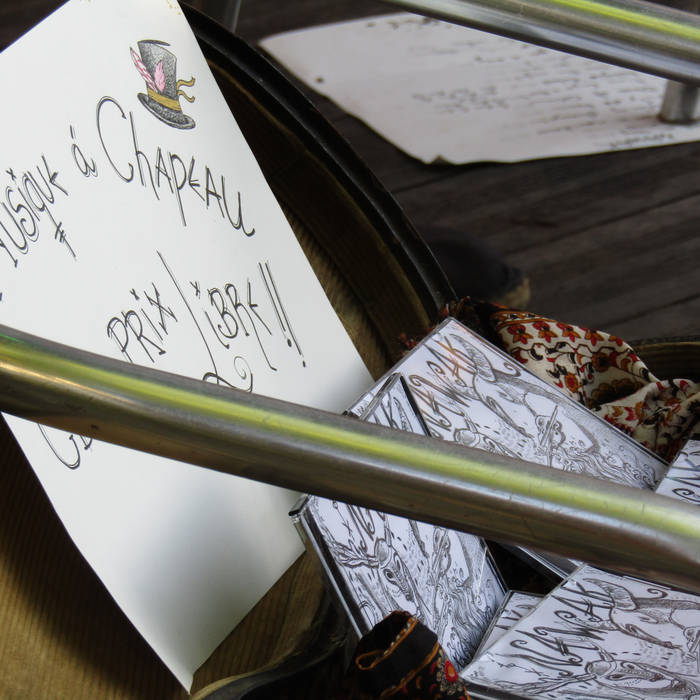
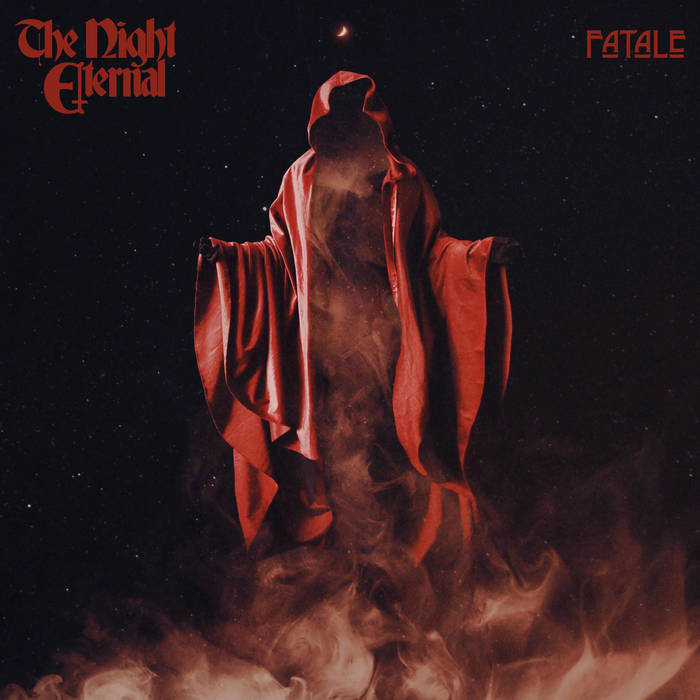
Additionally, the South American metal scene's relative insularity has fostered a culture where long-term artistic relationships take precedence over short-term financial opportunities. Bands like progressive metal innovators Nawak and black metal purists Night Eternal exemplify how sustained creative partnerships can produce more compelling art than constantly shifting lineups.
The region's developing infrastructure also provides opportunities to implement modern safety standards and professional practices from the beginning, rather than retrofitting older systems. As South American metal gains international recognition, these foundational strengths could position the continent's scenes as models for sustainable metal culture.
Technical Excellence Versus Industry Chaos
The irony of current metal industry challenges becomes apparent when considering the technical sophistication of contemporary metal music. Bands are producing increasingly complex compositions that demand exceptional musicianship and long-term collaboration, yet the industry's business practices often undermine the stability necessary for such artistic development.
Projects featuring second-generation metal musicians, like recent releases involving the sons of established metal figures, highlight how metal's artistic legacy depends on continuity and mentorship rather than constant personnel changes. These collaborations demonstrate the value of sustained relationships and knowledge transfer within metal communities.
South American technical death metal bands like Scenic and progressive power metal acts such as Luiz Toffoli represent the positive potential of sustained artistic development. These projects require the kind of long-term collaboration and technical refinement that becomes impossible when lineups constantly shift.

Building Sustainable Metal Infrastructure
The current crisis in metal professionalization presents an opportunity for South American scenes to develop more sustainable approaches to band management, touring logistics, and safety protocols. Rather than simply copying the dysfunctional practices that have created problems elsewhere, the region can pioneer new models that prioritize both artistic integrity and professional responsibility.
This includes developing fair compensation structures that reduce the financial pressures driving musician mobility, implementing comprehensive safety training for venues and performers, and creating support networks that help bands weather the inevitable challenges of metal careers without resorting to desperate measures.
The ultimate goal should be creating an environment where the best metal bands can focus on artistic development rather than survival, where technical excellence can flourish within stable collaborative relationships, and where metal's rebellious spirit enhances rather than undermines professional responsibility.
As the global metal scene grapples with these fundamental challenges, South American metal communities have the chance to demonstrate that authenticity and professionalism can coexist, that artistic passion can thrive within sustainable business practices, and that metal's future depends not on chaos but on the kind of principled commitment that has always defined the genre's greatest achievements.