Legacy Album Tours and Thrash Veterans Signal Metal's Generational Bridge While South American Scenes Foster Cross-Generational Unity
Max Cavalera's revelation about performing Sepultura's landmark "Chaos A.D." album in its entirety carries profound implications for how metal bridges generational divides. His observation that "there's a whole new generation of fans who never got a chance to see" the classic lineup performing these songs illuminates a broader trend reshaping metal touring strategies and community connections worldwide.
The concept of legacy album performances has evolved beyond nostalgia into something more substantial: educational experiences that preserve metal's foundational moments while creating new memories. When veteran acts like Overkill continue their relentless touring pace through European festivals, they're not just entertaining audiences—they're maintaining direct connections between metal's formative decades and its contemporary evolution.
The Educational Value of Complete Album Performances
Cavalera's approach to performing "Chaos A.D." represents a masterclass in how metal bands touring 2026 can serve educational purposes. The 1993 album marked a pivotal moment in South American metal's global recognition, blending traditional thrash elements with tribal percussion and groove-oriented approaches that influenced countless bands across Latin America.
This touring strategy creates unique opportunities for cross-generational dialogue within metal communities. Younger fans experience these songs in their original context, while veteran listeners witness how these compositions have aged and evolved. The result is a shared cultural experience that strengthens metal's communal bonds across age groups.
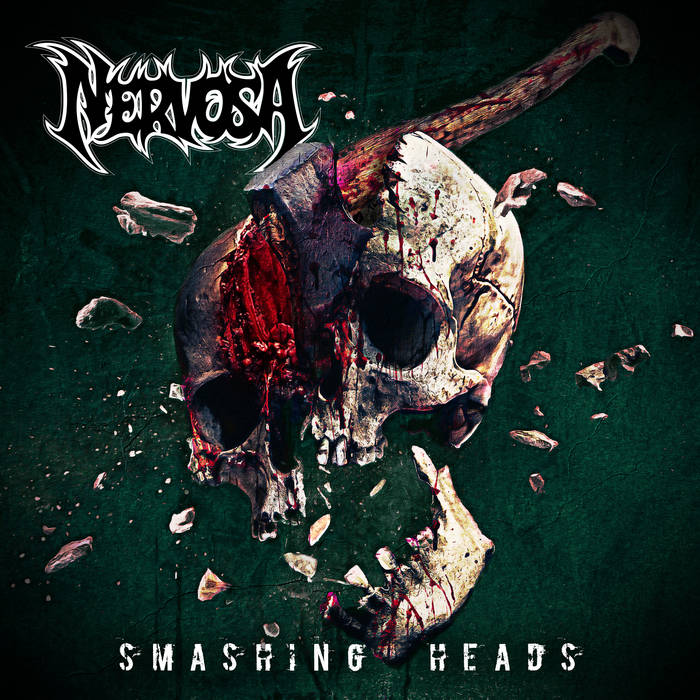
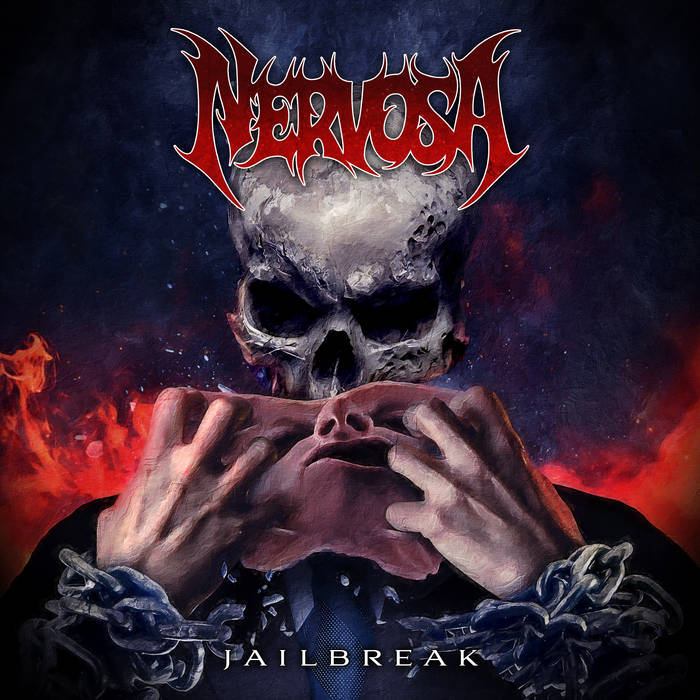
South American metal scenes have long excelled at fostering these intergenerational connections. Brazilian thrash metal acts like death metal and thrash metal pioneers Nervosa have built careers by honoring traditional approaches while incorporating contemporary elements, creating music that resonates with both longtime metalheads and newer listeners.
Progressive Elements in Traditional Frameworks
Meanwhile, developments in progressive metal continue pushing creative boundaries while respecting genre foundations. Reports of A Perfect Circle developing new material suggest that even established acts recognize the importance of continued evolution within their established sounds.
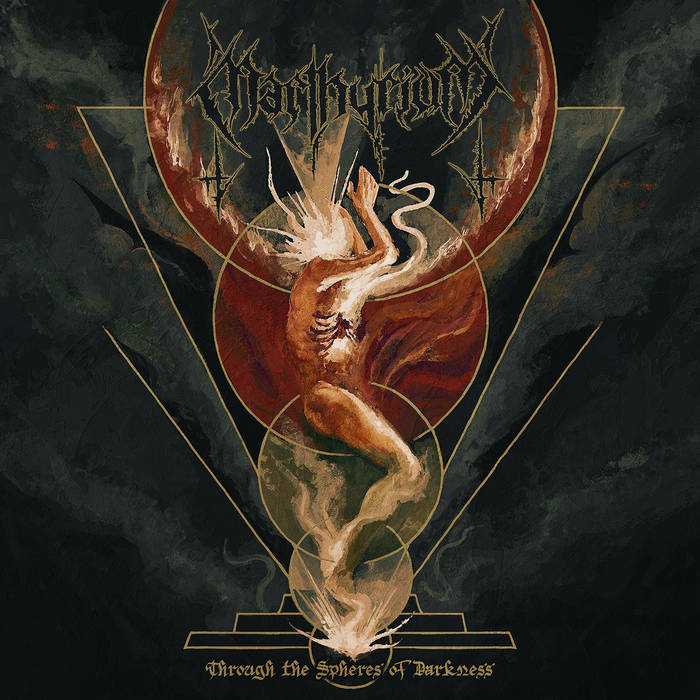
This balance between innovation and tradition resonates strongly within South American progressive metal communities. Bands like progressive thrash metal group Marttyrium demonstrate how technical proficiency can coexist with accessibility, creating music that challenges both musicians and listeners without alienating newcomers to heavy music.
The progressive approach to songwriting often mirrors the educational aspects of legacy touring. Complex compositions reveal new details with repeated listening, much like how classic albums gain deeper meaning through live performance. This layered appreciation helps build lasting connections between artists and audiences.
Thrash Metal's Enduring Foundation
Overkill's continued festival presence demonstrates thrash metal's remarkable staying power. The genre's emphasis on technical precision, aggressive energy, and socially conscious lyrics provides a template that remains relevant across decades. Their performance alongside acts like Testament and Destruction creates packages that showcase thrash metal's diversity and evolution.
South American thrash scenes have consistently produced bands that understand this balance between tradition and innovation. Groups like thrash metal veterans Amnistia and Chilean speed and thrash metal act Perseguidor represent different approaches to maintaining thrash metal's core identity while incorporating regional influences and contemporary production techniques.

The best metal bands in thrash metal understand that the genre's power lies not just in speed and aggression, but in its ability to channel complex emotions and social commentary into accessible musical frameworks. This accessibility helps explain why legacy album tours resonate so strongly with diverse audiences.
Genre Cross-Pollination and Cultural Exchange
Recent developments also highlight how metal's various subgenres continue influencing each other. Technical death metal acts creating covers of mainstream pop songs, progressive rock musicians exploring heavier territory, and veteran thrash bands incorporating diverse musical elements all contribute to metal's ongoing evolution.
This cross-pollination benefits from the kind of generational bridge-building that legacy tours provide. When younger musicians witness how 80s metal bands approached songwriting and performance, they gain tools for incorporating those techniques into contemporary contexts.
South American metal scenes excel at this kind of cultural synthesis. The continent's metal communities have historically blended traditional heavy music with indigenous rhythms, Latin musical structures, and diverse cultural influences, creating distinctive sounds that honor both local traditions and global metal standards.
Community Building Through Shared Experiences
The most significant impact of legacy touring may be its community-building potential. When Max Cavalera notes the "whole new generation of fans" discovering classic material, he's describing more than audience expansion—he's identifying how metal communities perpetuate themselves across time.
These shared experiences create common reference points that strengthen metal's cultural cohesion. Fans who experience "Chaos A.D." performed live gain deeper appreciation for the album's influence on subsequent bands and its place within metal's broader evolution. This knowledge enhances their engagement with both classic and contemporary metal.
The South American metal scene has always prioritized these communal aspects of heavy music. Local scenes across Brazil, Chile, Argentina, and other nations emphasize collective support for bands, shared attendance at shows, and intergenerational mentorship that helps preserve metal's cultural knowledge while encouraging innovation.
Future Implications for Metal Tourism
As metal bands increasingly recognize the value of educational touring concepts, we may see more acts adopting comprehensive approaches to legacy material. This could include expanded liner notes, documentary components, and interactive elements that help audiences understand the historical and cultural contexts of classic albums.
Such approaches could benefit emerging scenes by providing frameworks for showcasing their own regional metal histories. South American metal communities possess rich histories worthy of similar treatment, from Brazil's pioneering extreme metal scene to Chile's innovative black metal underground.
The success of these legacy tours also validates metal's artistic legitimacy. When albums receive treatment typically reserved for classical music or theater productions, it reinforces metal's cultural value and encourages more serious critical engagement with the genre's artistic achievements.
Preserving Metal's Cultural Heritage
Ultimately, the trend toward educational legacy touring represents metal's growing awareness of its own cultural importance. As the genre approaches its sixth decade, preserving its foundational moments becomes increasingly crucial for maintaining continuity across generations.
This preservation effort requires more than simple nostalgia—it demands thoughtful curation that highlights why specific albums and performances remain relevant. The best metal albums of all time earn that status not through historical accident but through continued relevance to new generations of listeners and musicians.
South American metal communities understand this preservation imperative deeply. Their support for both veteran acts and emerging bands creates sustainable ecosystems where metal's cultural heritage remains alive and accessible. This approach offers valuable lessons for global metal scenes seeking to balance tradition with innovation while building bridges across generational divides.