Grindcore and Hardcore Controversies Expose Metal's Accountability Crisis While South American Scenes Lead by Example
The metal community finds itself grappling with accountability and artistic integrity as recent industry controversies highlight the ongoing tension between commercial success and underground values. While established acts face scrutiny over their associations and decisions, the South American metal scene continues to demonstrate how authentic communities can thrive through principled approaches to both artistry and ethics.
Controversy Rocks Hardcore Touring Circuit
The recent removal of End It from the Hatebreed and Life Of Agony European tour following what's being called the "Banana Man Incident" has sent shockwaves through the hardcore and crossover communities. While details remain deliberately vague, the swift action taken by tour organizers suggests the incident crossed significant boundaries within a scene already wrestling with questions about conduct and accountability.
This development comes at a time when the hardcore and grindcore scenes are experiencing renewed vitality, with bands like Chat Pile preparing to release their upcoming album "Who Loves The Sun" in September. The Oklahoma noise rock outfit has built their reputation on uncompromising artistic vision and social commentary, representing the kind of authentic approach that resonates with underground communities worldwide.
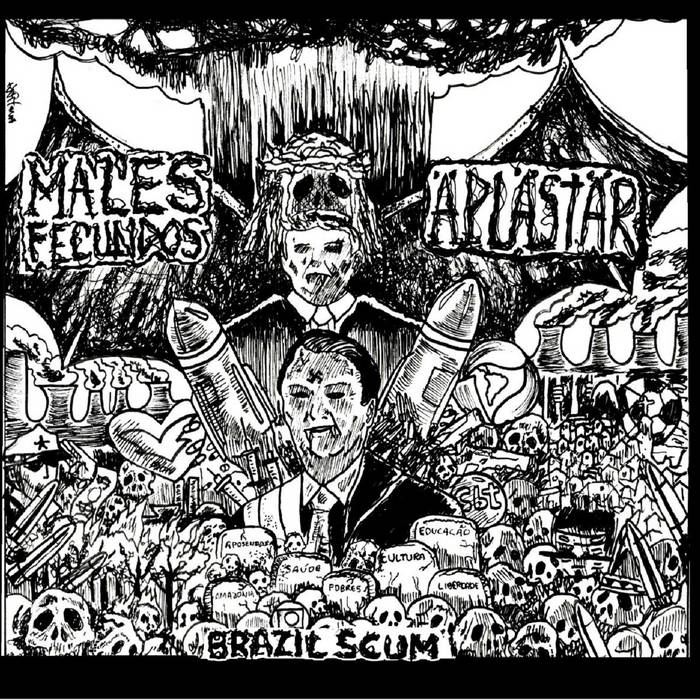
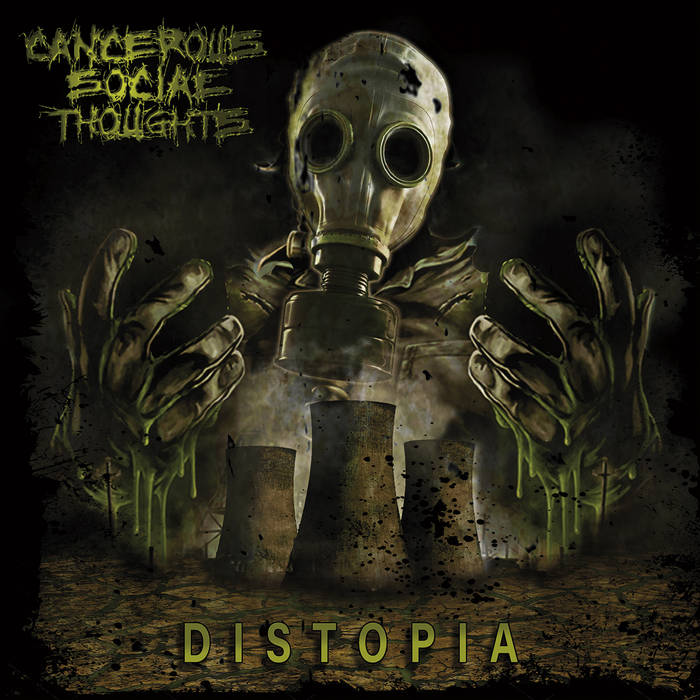
The contrast between these approaches – one leading to removal from high-profile tours, the other earning critical acclaim and devoted followings – illustrates the crossroads facing heavy music today. South American scenes have long navigated these tensions, with bands like Paraguay's grindcore pioneers Cancerous Social Thoughts and Colombia's Males Fecundos building sustainable careers through community engagement rather than industry politics.
Anniversary Tours and the Commodification of Legacy
The announcement of Staind's 25th anniversary tour celebrating "Break The Cycle" represents another facet of modern metal's relationship with its past. While anniversary tours have become standard industry practice, they raise questions about how legacy acts balance nostalgia with artistic growth – a challenge that becomes more complex when considering which voices and stories get celebrated.
Belgian post-metal innovators Oathbreaker's announcement of five European dates celebrating the 10th anniversary of "Rheia" alongside Portrayal Of Guilt offers a different model. Rather than extensive commercial touring, they're focusing on meaningful performances that honor the album's artistic significance while supporting current underground acts.
This selective approach mirrors strategies long employed by South American metal communities, where resource constraints have fostered creative solutions. Bands like Chile's doom collective Asilo have built devoted followings through carefully curated performances that prioritize artistic impact over commercial reach, while blackened death metal outfit Velatorio has earned international recognition through strategic festival appearances rather than extensive touring.
Creative Resilience in the Face of Industry Pressures
The ongoing work by Soundgarden's surviving members to complete their final album with Chris Cornell represents one of modern rock's most emotionally complex projects. Kim Thayil's recent comments about the emotional difficulty of the process highlight how grief and artistic legacy intersect in ways that defy simple commercial calculations.
Similarly, Conor Oberst's statement regarding Bright Eyes' Forest Hills evacuation – describing feelings of being "cursed" – reveals the psychological toll that touring disruptions can take on artists already operating under intense pressure. These human elements often get lost in industry discussions focused on ticket sales and streaming numbers.
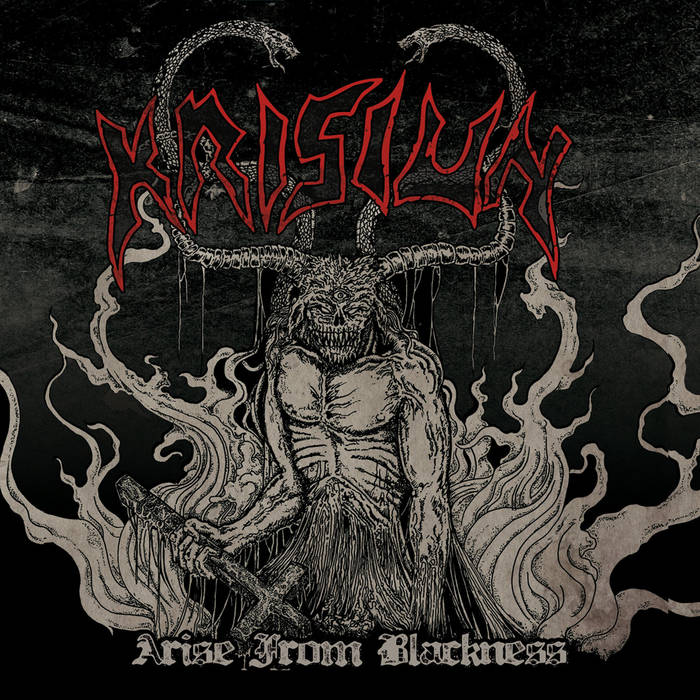
South American metal scenes have developed remarkable resilience in the face of similar challenges, often operating with limited resources while maintaining artistic integrity. Brazilian death metal veterans Krisiun have spent decades proving that technical excellence and unwavering dedication can overcome geographic and economic obstacles, inspiring countless bands across the continent to pursue their visions regardless of industry trends.
Underground Innovation Versus Mainstream Stagnation
The divergent paths taken by different segments of heavy music become more apparent with each passing month. While some established acts rely increasingly on nostalgia and controversy to maintain relevance, underground scenes continue pushing boundaries through genuine innovation and community building.
The current landscape favors artists willing to challenge themselves and their audiences. Progressive death metal acts like Chile's Decessus demonstrate how technical mastery can serve artistic vision rather than empty showmanship, while black metal innovators continue expanding the genre's emotional and sonic territories.
This innovation often emerges from scenes operating outside traditional industry centers, where artists must rely on creativity and community support rather than major label resources. The South American metal scene exemplifies this approach, with bands across genres developing unique voices that reflect their cultural contexts while contributing to global metal evolution.
Looking Forward: Lessons from the South
As 2026 progresses, the global metal community would benefit from examining how South American scenes have maintained their vitality despite facing greater obstacles than their North American and European counterparts. The emphasis on community over commerce, artistic development over quick success, and ethical behavior over controversy-driven publicity offers a roadmap for sustainable scene building.
The current controversies and challenges facing established acts highlight the importance of building scenes based on mutual respect and shared artistic vision. Whether dealing with touring logistics, label politics, or community standards, the most resilient metal communities are those that prioritize long-term health over short-term gains.
For bands and fans looking to contribute to this positive evolution, the path forward involves supporting artists who demonstrate genuine commitment to their craft and communities. This means celebrating technical innovation when it serves artistic vision, supporting tours and releases that advance the genre rather than merely recycling past glories, and holding all community members accountable for their actions regardless of their status or popularity.
The metal community's response to current challenges will determine whether the genre continues evolving as a vital artistic force or becomes increasingly dominated by nostalgia and manufactured controversy. South American scenes offer proof that authentic alternatives remain not only possible but thriving, providing inspiration for metal communities worldwide seeking to build something lasting and meaningful.
As new releases continue emerging from both established and underground acts, the contrast between genuine artistic development and commercial calculation becomes ever clearer. The choice facing metal communities globally is whether to follow the example set by scenes that prioritize integrity and innovation, or to continue enabling the patterns that have led to the current crisis of accountability and artistic stagnation.