Technical Mastery and Comeback Culture Define Late 2026's Metal Momentum
As 2026 winds toward its final quarter, the global metal scene pulses with an unmistakable energy centered around technical prowess and calculated returns. From long-dormant bands emerging after decade-plus hiatuses to virtuoso performances capturing worldwide attention, the current landscape rewards both patience and precision—qualities that South American metal practitioners have refined through years of persevering in challenging markets.
The Return of the Patient Architect
Nothing exemplifies this trend quite like Paulson's announcement of their first headlining performance in roughly fifteen years. The band's methodical approach to their return speaks to a broader shift in how veteran acts approach their legacies. Rather than rushing back with half-formed concepts or nostalgia-driven cash grabs, today's returning bands are taking time to craft meaningful statements.
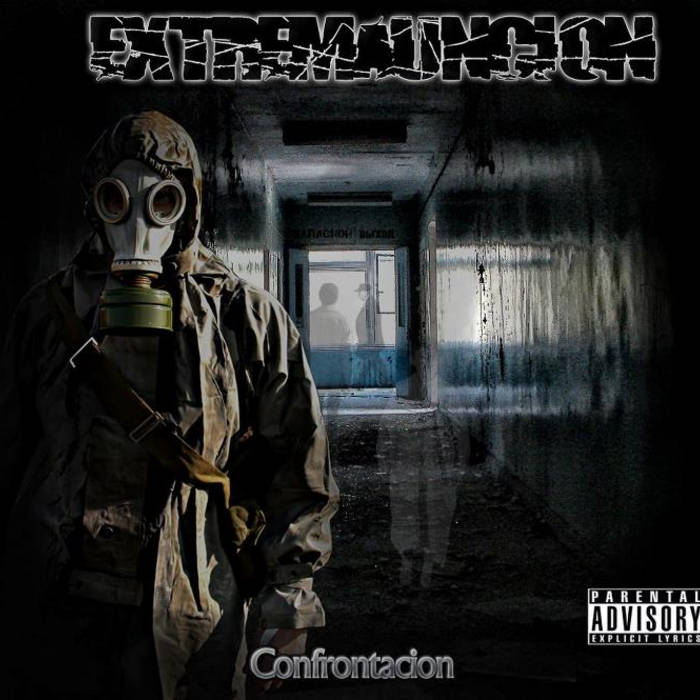
This calculated patience resonates deeply within South American metal circles, where bands like Argentine groove-thrash outfit Extremauncion have long understood that sustained impact often requires strategic timing. The region's economic realities have taught musicians that every performance must count, every release must justify its existence, and every comeback must carry genuine artistic weight.
The technical demands of modern metal performance have also reached unprecedented levels. Recent drum-cam footage showcasing Anika Nilles' precision during her debut with a legendary progressive rock outfit demonstrates how audiences now expect not just competence, but mastery bordering on the supernatural. This elevation of technical standards creates both opportunities and challenges for emerging artists worldwide.
The Artificial Intelligence Battleground
Perhaps no debate divides the metal community more sharply than artificial intelligence's role in composition. Veteran musicians are drawing hard lines against AI-assisted songwriting, viewing it as antithetical to metal's core values of authenticity and human struggle. This stance reflects deeper anxieties about technology's encroachment on creative processes that have traditionally demanded blood, sweat, and countless hours of practice.
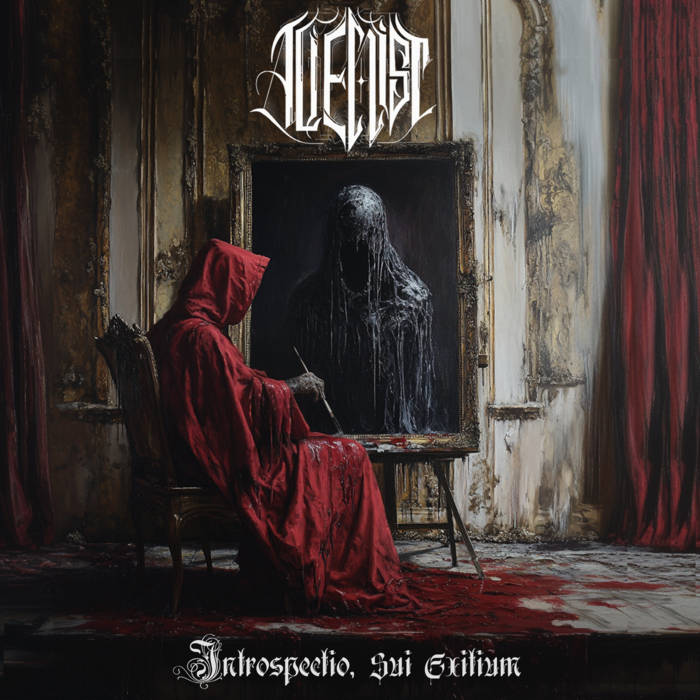
South American metal scenes, built on DIY ethics and resource scarcity, naturally align with these purist perspectives. Bands like Brazilian progressive death metal technicians Alienist have achieved recognition precisely through their commitment to human-crafted complexity. Their intricate compositions serve as testament to what dedicated musicians can accomplish without algorithmic assistance.
The resistance to AI composition also highlights metal's fundamental relationship with struggle. The genre emerged from working-class frustration and social alienation—emotions that artificial intelligence cannot genuinely experience or express. When South American bands craft their most powerful material, they draw from lived experiences of economic hardship, political upheaval, and cultural marginalization that no machine learning model can truly comprehend.
Cross-Generational Collaboration Trends
Another defining characteristic of late 2026's metal landscape involves established artists lending their expertise to younger or reformed acts. High-profile guitarists joining reunited bands after extended dormancies exemplifies how the scene increasingly values mentorship and knowledge transfer over ego-driven territorialism.
This collaborative spirit mirrors long-standing practices within South American metal communities, where veteran players regularly contribute to multiple projects across subgenres. The region's smaller scene sizes have always necessitated such flexibility, but now this approach appears increasingly mainstream globally.
Brazilian death-doom practitioners like Lacryma Sanguine exemplify this cross-pollination ethos, drawing from diverse influences to create uniquely regional sounds that transcend traditional genre boundaries. Their willingness to incorporate elements from different metal traditions reflects the adaptive strategies that have allowed South American scenes to thrive despite limited resources.
Political Expression and Artistic Integrity
The intersection of political belief and artistic expression continues generating significant discussion within metal circles. Recent departures of band members over ideological differences highlight how political polarization affects creative partnerships, sometimes forcing difficult choices between personal convictions and musical collaboration.
South American metal has always navigated complex political terrain, with bands frequently addressing governmental corruption, social inequality, and human rights issues through their music. Acts like Chilean thrash metal veterans Sactor have built their reputations partly on unflinching political commentary, proving that metal can serve as both entertainment and social critique.

The current global political climate has intensified these dynamics, with musicians facing pressure to either explicitly state their positions or risk having silence interpreted as complicity. For many South American bands, political engagement has never been optional—their daily realities are inherently political, and their music reflects that unavoidable truth.
Festival Culture and Community Building
The announcement of specialized festival events, including themed celebrations and genre-specific gatherings, demonstrates metal's ongoing evolution toward more targeted community building. Rather than massive, generic festivals attempting to please everyone, organizers increasingly create focused experiences for specific audiences.
This trend particularly benefits South American metal scenes, where intimate connections between bands and fans have always been essential for survival. Local festivals celebrating specific subgenres allow regional acts to showcase their talents without competing against international headliners with vastly larger marketing budgets.
The success of such targeted events also validates the diversity within metal's broader ecosystem. Atmospheric black metal devotees, grindcore enthusiasts, and progressive metal intellectuals each represent distinct communities with unique needs and preferences. Acknowledging these differences through specialized programming strengthens the entire scene.
Looking Forward: Lessons from the South
As the global metal scene continues evolving through technological challenges, political tensions, and changing audience expectations, South American metal communities offer valuable perspectives on resilience and authenticity. Their decades of experience creating meaningful music despite economic constraints and political instability provide blueprints for sustainable artistic practice.
The region's emphasis on technical proficiency, collaborative spirit, and genuine emotional expression aligns perfectly with current global trends toward more thoughtful, patient artistic development. Whether discussing the calculated return of veteran bands, resistance to artificial creative assistance, or the importance of political authenticity, South American metal practitioners have been pioneering these approaches for years.
The late 2026 landscape rewards artists who combine technical mastery with genuine artistic vision—exactly the formula that has allowed South American metal scenes to punch above their weight on the global stage. As the year progresses toward its conclusion, expect these themes of patience, precision, and authenticity to continue defining metal's creative evolution.