Black Metal Revival and Progressive Touring Models Define Metal's Mid-2026 Evolution
Underground Black Metal Experiences Fierce Renaissance
The emergence of new black metal acts like Wicked One signals a broader revival sweeping through the genre's most uncompromising corners. Their debut single "Kneel Before Lucifer" represents the kind of menacing, no-compromise approach that has defined black metal's most authentic expressions since the genre's Norwegian origins. This resurgence parallels similar movements across South American black metal scenes, where bands like Colombian black metal act Nocturnal Hate and atmospheric black metal band Tragic Shadows continue pushing the boundaries of extremity and atmosphere.
The timing of this black metal renaissance reflects metal's broader need for authentic expression amid an increasingly commercialized landscape. New metal bands 2026 are embracing the genre's most confrontational elements, rejecting mainstream palatability in favor of the raw intensity that originally defined extreme metal. South American scenes have long championed this unfiltered approach, with acts like Venezuelan black metal band Porta Infernum and Brazilian black metal pioneers Despot maintaining the genre's corrosive edge throughout decades of evolution.
Progressive Rock Veterans Redefine Touring Economics
Rush's return to touring after an eleven-year hiatus with their "Fifty Something Tour" establishes new paradigms for veteran acts navigating modern music industry realities. Their four-night Los Angeles residency model, featuring drummer Anika Nilles, demonstrates how established artists can create sustainable touring frameworks that prioritize artistic integrity over traditional road-warrior approaches. This progressive touring philosophy offers valuable lessons for South American metal scenes, where geographic challenges and economic limitations often restrict bands' ability to reach international audiences.
The significance of Rush's comeback extends beyond nostalgia, representing a fundamental shift in how legacy acts approach performance and audience connection. Their extended Los Angeles engagement allows for deeper musical exploration and refined performances that single-night stops cannot accommodate. This residency model could prove particularly beneficial for South American metal bands seeking to establish footholds in major international markets, where sustained presence often proves more valuable than brief appearances.
Political Consciousness Drives Creative Expression
The collaboration between Serj Tankian, Roman, and Tom Morello on "Adjourn It" exemplifies metal's continuing role as a vehicle for political resistance and social commentary. Their response to immigration enforcement tactics reinforces music's power to address societal injustices and amplify marginalized voices. This approach resonates deeply within South American metal contexts, where bands have historically used extreme music to confront political oppression, economic inequality, and social injustice.
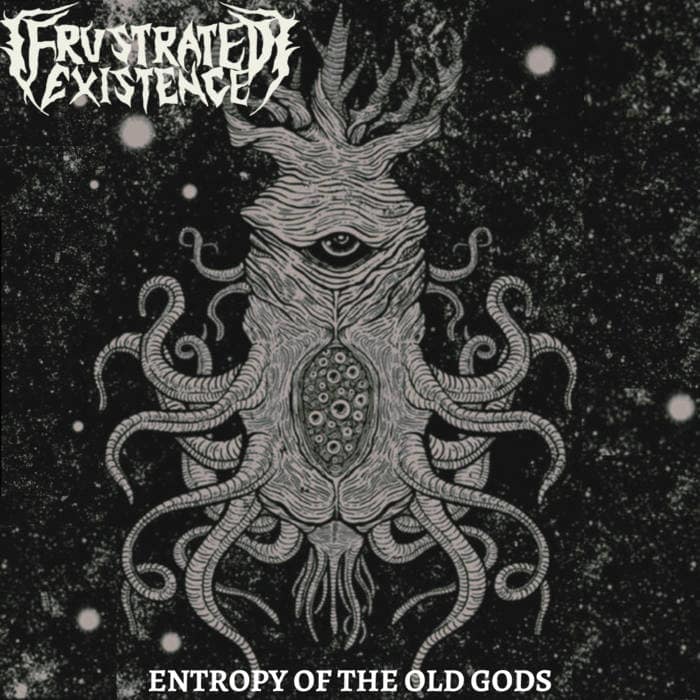
South American metal scenes have long understood music's potential as political weapon, with thrash metal acts like Brazilian speed/thrash band Cifer and death/thrash outfit Frustrated Existence incorporating social criticism into their aggressive soundscapes. The collaboration between these prominent musicians validates approaches that South American extreme metal bands have employed for decades, using brutal sonics to underscore urgent political messages.
Industry Challenges Test Community Resilience
Recent allegations surrounding touring environments and safety concerns highlight ongoing challenges within metal's professional infrastructure. Reports of unsafe working conditions and interpersonal conflicts underscore the need for improved industry standards and community accountability. These issues particularly impact smaller scenes and underground networks, where limited resources often compromise safety protocols and professional standards.
South American metal communities have developed strong solidarity networks partly as responses to similar challenges, creating support systems that prioritize artist and crew welfare over pure profit motives. The region's metal scenes often operate with limited budgets and infrastructure, forcing creative solutions to safety and professional concerns that could offer models for addressing industry-wide problems.
Documentary and Historical Preservation Efforts
The upcoming unauthorized book examining Slipknot's "Iowa" album and its cultural context represents growing interest in metal's historical documentation and analysis. Academic and journalistic attention to nu-metal's relationship with major cultural events like September 11th demonstrates metal's increasing recognition as legitimate artistic and cultural force worthy of serious examination.
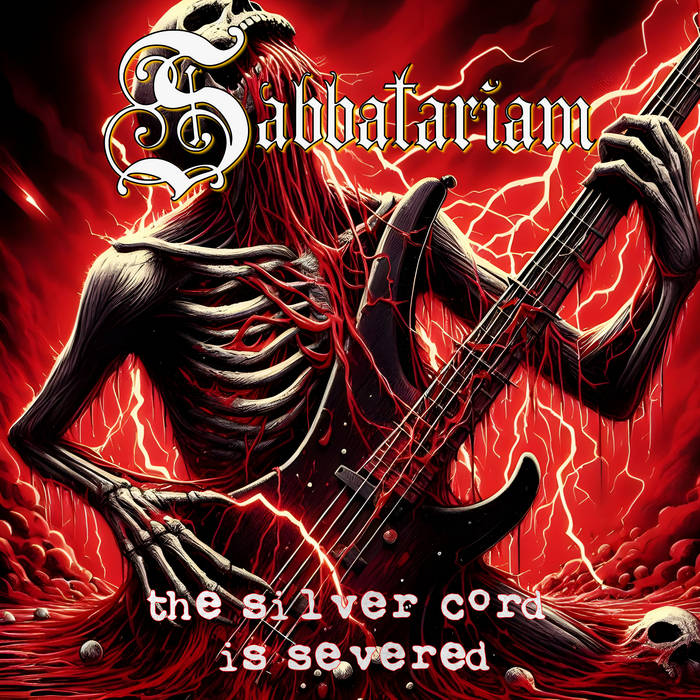
This historical preservation movement could significantly benefit South American metal scenes, whose rich histories often lack comprehensive documentation. The region's metal development includes fascinating intersections with political upheaval, cultural resistance, and artistic innovation that deserve scholarly attention. Bands like blackened death metal act Sysyphus and progressive death metal band Sabbatariam represent sophisticated artistic achievements that warrant inclusion in broader metal historical narratives.
Technical Innovation and Artistic Evolution
Bill Ward's insights into Black Sabbath's creative processes reveal the improvisational and experimental approaches that defined many of the best heavy metal songs and established foundational techniques still used by contemporary extreme metal bands. His comments about never playing "Paranoid" identically across performances highlight the organic evolution that separates authentic metal expression from mechanical reproduction.
South American extreme metal has always embraced this experimental spirit, with bands incorporating local musical traditions, unconventional instruments, and innovative recording techniques into traditional metal frameworks. The region's best metal bands often distinguish themselves through creative approaches to established formulas, whether through technical innovation, atmospheric experimentation, or hybrid genre explorations.

Looking Forward: Sustainable Scene Development
These diverse developments collectively suggest metal's evolution toward more sustainable, community-focused, and artistically ambitious directions. The combination of underground revival movements, progressive touring models, political engagement, and historical documentation creates foundations for long-term scene development that prioritizes authenticity over commercial expedience.
For South American metal scenes, these trends offer validation of approaches long employed by necessity: community solidarity, political consciousness, creative innovation, and artistic integrity. As global metal continues evolving, the region's bands and scenes are positioned to contribute significantly to these positive developments while maintaining the fierce independence that has always defined their unique character. The metal bands touring 2026 that will leave lasting impressions are those embracing these principles of authentic expression and community connection that South American extreme metal has championed throughout its development.