Lineup Diversity and Roster Evolution Signal Genre-Blending Future as South American Metal Champions Authentic Cross-Pollination
The metal landscape is undergoing a fundamental transformation as established acts embrace unexpected musical territories and touring lineups blur traditional genre boundaries. From gothic rock legends expanding their setlists to hardcore pioneers releasing multiple albums per year, the current scene reflects an industry-wide shift toward artistic experimentation that mirrors the organic genre-blending approach that South American metal has championed for decades.
Veteran Acts Push Creative Boundaries
The recent return of The Cure to major festival stages, dusting off deep cuts like "Mint Car" and "alt.end" for their Primavera Sound performance, represents more than nostalgic fan service. This setlist evolution—marking the kickoff to their 2026 tour—demonstrates how veteran acts are reimagining their catalogs for contemporary audiences. The willingness to resurrect lesser-known tracks alongside crowd favorites suggests an industry-wide movement toward deeper artistic exploration.
This creative restlessness extends beyond individual performances into album cycles and release strategies. Converge's decision to drop their second album of the year, "Hum Of Hurt," alongside its lead single, exemplifies the modern approach to sustained artistic output. Rather than adhering to traditional three-to-four-year album cycles, pioneering bands are embracing rapid-fire creativity that keeps audiences engaged while allowing for more experimental material.
Touring Configurations Reflect Genre Fluidity
The current touring landscape reveals fascinating insights into how metal bands are approaching live performance in 2026. Machine Head's decision to tap Ben Eller for their current tour represents the kind of strategic roster moves that define modern metal touring. These temporary collaborations allow bands to explore different sonic territories while maintaining their core identity.
Meanwhile, A.A. Williams' selection as support for A Perfect Circle's upcoming dates demonstrates the increasing cross-pollination between atmospheric metal subgenres. Williams' latest album "Solstice" positions her within the growing movement of artists who blend post-metal atmospherics with more accessible song structures—an approach that resonates strongly with the experimental tendencies found throughout the South American metal scene.
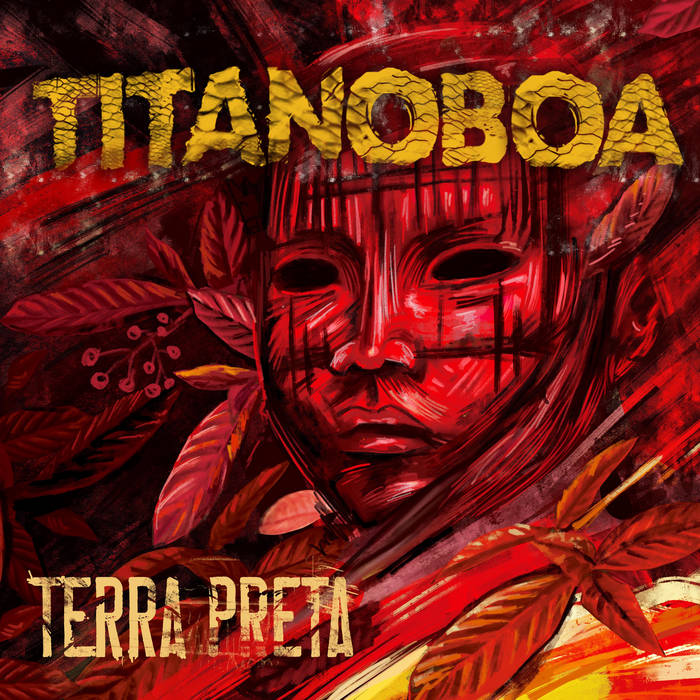
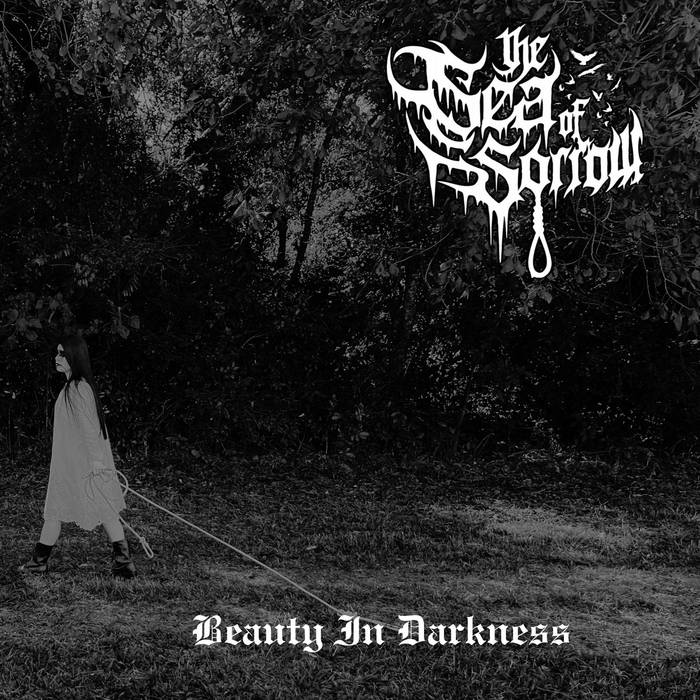
The region's bands have long embraced this kind of genre-defying creativity. Acts like Chilean doom/post-black collective The Sea of Sorrow have spent years perfecting the kind of atmospheric heavy music that's now gaining global recognition. Similarly, Colombian sludge/groove metal outfit TitanoBoa represents the type of boundary-pushing approach that international acts are beginning to adopt.
Political Consciousness Drives Collaborative Efforts
The collaboration between Tom Morello and System Of A Down's Serj Tankian on their new anti-ICE track represents metal's continued evolution as a vehicle for political expression. Morello's statement about wanting to "get rid of the rising tide of fascism" and learning "how to stand up to fascism in the right way" reflects the genre's ongoing role as a platform for social commentary.
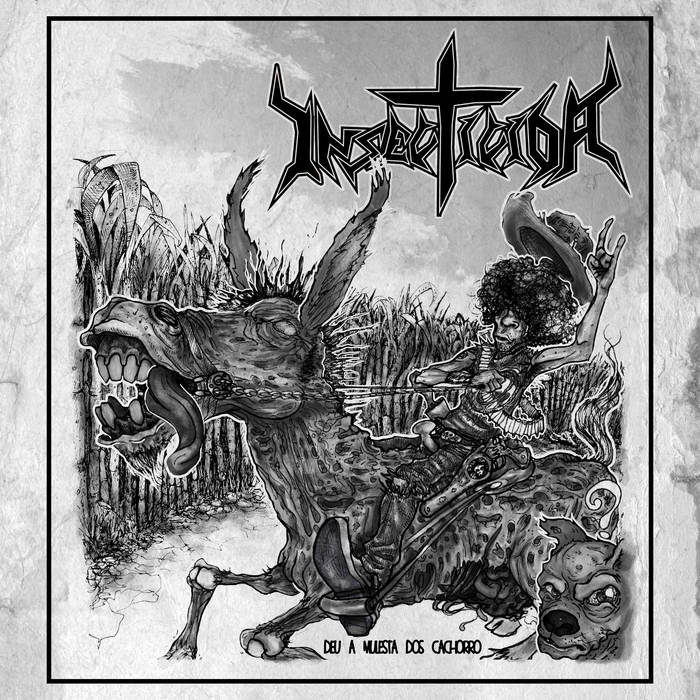
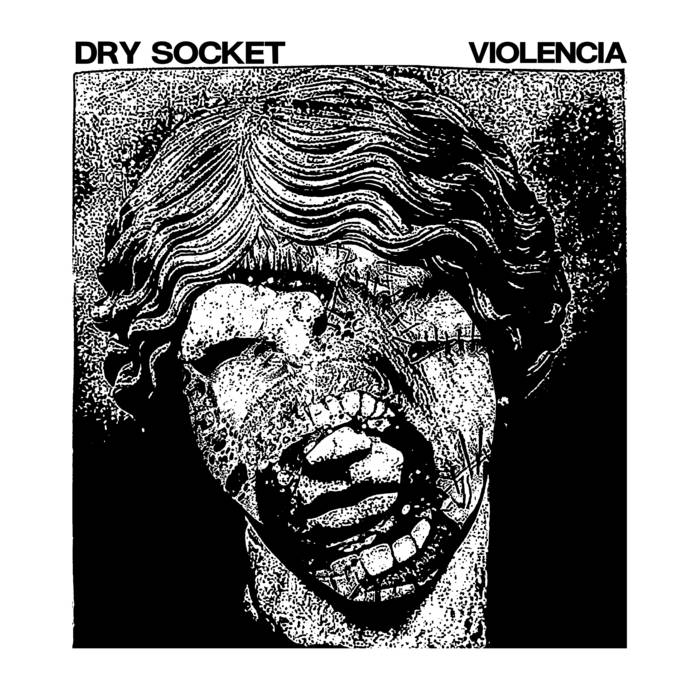
This political consciousness has deep roots in South American metal, where bands have navigated complex political landscapes for decades. The region's thrash metal pioneers established a template for combining aggressive music with pointed social criticism. Contemporary acts like Argentinian speed/thrash metal band Violencia and Brazilian thrash metal outfit Insecticida continue this tradition, proving that political metal remains as relevant as ever.
Technology Integration Expands Reach
The announcement that Metallica, Ozzy Osbourne, Disturbed, Papa Roach, P.O.D., and others will appear on the upcoming UFC 6 video game soundtrack illustrates metal's continued integration with digital entertainment platforms. This represents a significant evolution from the traditional album-tour-merchandise model that defined earlier eras.
Video game soundtracks have become crucial exposure vehicles for both established acts and emerging bands. The inclusion of diverse acts from Drowning Pool to Finger Eleven to The Bronx on the UFC 6 soundtrack demonstrates how gaming platforms now serve as tastemaker environments where new metal bands 2026 can reach audiences that might never encounter them through traditional channels.
South American bands are increasingly leveraging these digital opportunities. The region's strong gaming culture provides natural synergy between local metal scenes and interactive entertainment. This technological embrace allows bands to circumvent traditional gatekeepers while building international audiences organically.
Genre Definitions Continue Evolving
Carmine Appice's recent comments about Metallica being "the first true heavy metal band" and everything before them being "hard rock" highlight ongoing debates about genre classification. While purists may argue over definitional boundaries, the reality is that metal continues evolving in ways that make rigid categorization increasingly meaningless.
Former Megadeth guitarist Marty Friedman's observations about developing his own style by failing to emulate his heroes offer valuable insights into artistic development. His admission that trying to play like "guitar magicians" like Uli Jon Roth and Frank Marino "never really worked out" ultimately led him to "stop being a clone" and develop his distinctive approach.
This philosophy of embracing failure as a path to innovation resonates throughout South American metal scenes, where geographic isolation from major metal centers forced bands to develop unique approaches. The region's best metal bands emerged not by copying international acts but by synthesizing global influences with local musical traditions and social realities.
Future Trajectory Points Toward Continued Experimentation
Killswitch Engage's Jesse Leach confirming that the band will "probably" work on new music in early 2027, along with promises that extra songs from their latest album sessions will eventually surface, suggests that established metalcore acts are embracing extended creative cycles that allow for deeper exploration.
The fact that bands are recording more material than they release, then strategically deploying these tracks over time, represents a sophisticated approach to audience engagement. This mirrors the South American metal scene's long-standing practice of treating albums as ongoing creative projects rather than discrete commercial products.
Lamb Of God's recent ceremonial first pitch and national anthem performance at their hometown ballpark's "Heavy Metal Night" demonstrates how metal bands touring 2026 are embracing community engagement beyond traditional concert venues. These cultural crossover moments help normalize metal within broader community contexts while celebrating the genre's American roots.
Regional Scenes Lead Global Innovation
The current moment finds global metal increasingly embracing approaches that South American scenes have refined over decades. The region's bands learned early to blend genres out of necessity, creating distinctive sounds that emerged from limited resources and geographic isolation.
Today's international touring configurations, collaborative projects, and genre-blending releases reflect the same experimental spirit that drives the South American underground. As established acts seek fresh creative directions, they're rediscovering the value of the authentic, boundary-pushing approaches that have always defined the region's best extreme metal.
The future of metal lies not in rigid adherence to genre conventions but in the kind of fearless creativity that South American bands have exemplified for generations. As global metal embraces this experimental ethos, the region's scenes are positioned to lead rather than follow the genre's continued evolution.