Mental Health Crisis and Misconduct Allegations Rock Global Metal Scene as South American Underground Emphasizes Community Protection
The global metal community faces a sobering reality check as recent incidents involving veteran musicians highlight escalating concerns about mental health deterioration, substance abuse, and predatory behavior that threaten the genre's foundational values. These developments resonate particularly deeply within South America's metal underground, where decades of community-driven scene building have established robust support networks and protective protocols.
Substance Abuse and Mental Health Deterioration
The troubling pattern of veteran musicians struggling with alcohol-related incidents aboard industry cruise events has become an increasingly visible problem. These high-profile confrontations between established artists represent more than isolated incidents—they signal a broader mental health crisis affecting aging metal musicians who built their careers during an era with fewer support systems and awareness around addiction treatment.
The cruise ship environment, with its contained setting and constant alcohol availability, appears to amplify underlying issues among performers who may already be dealing with the psychological pressures of maintaining relevance in an evolving musical landscape. For musicians whose peak commercial success occurred decades ago, these industry events can become pressure cookers where unresolved personal issues explode into public embarrassment.
South America's metal scenes have long recognized these vulnerabilities within their communities. Brazilian and Argentine metal festivals, for example, have implemented comprehensive artist wellness programs that include substance abuse counseling and mental health resources, understanding that the intensity of metal culture can both provide cathartic release and exacerbate existing psychological struggles.
Medical Emergencies Highlight Industry Health Crisis
The recent emergency heart surgery required by veteran guitarist Sonny Mayo, who has battled genetic coronary artery disease and multiple heart attacks, underscores another critical issue facing aging metal musicians. The physical demands of touring, combined with decades of lifestyle factors common in the metal world, have created a generation of performers facing serious health complications without adequate support systems.
Mayo's situation, requiring crowdfunding for medical expenses and recovery care, reveals the precarious financial reality many veteran musicians face despite their contributions to metal's development. This crisis extends beyond individual cases to represent systemic issues within an industry that often fails to provide long-term healthcare security for its artists.
The metal community's response—rallying financial support and organizing meal trains—demonstrates the genre's inherent solidarity, but also highlights how musicians must rely on fan generosity rather than industry infrastructure for basic medical needs. This grassroots support model has deep roots in South American metal scenes, where economic limitations have fostered strong mutual aid networks among musicians and fans alike.
Misconduct Allegations and Scene Accountability
Perhaps most disturbing are the recent allegations involving misconduct with minors that have led to band dissolutions and member departures. The swift action taken by band members to distance themselves from accused individuals reflects an evolving standard of accountability within metal communities, where protecting vulnerable fans takes precedence over preserving musical partnerships.
The immediate "nuking" of band projects following such allegations represents a significant shift from past decades when metal scenes often overlooked or minimized misconduct. This zero-tolerance approach signals the community's recognition that the genre's traditional rebellious image cannot serve as cover for harmful behavior toward fans, particularly young people who look to metal musicians as cultural leaders.
South American metal scenes have been particularly proactive in establishing protective protocols around fan interactions. Countries like Chile and Colombia have implemented scene-wide codes of conduct that explicitly address power dynamics between performers and audiences, recognizing that metal's intense fan devotion creates opportunities for exploitation that must be actively prevented.
Grindcore Legacy and Extreme Metal Evolution
Amidst these troubling developments, the continued creative output from foundational extreme metal acts provides stability and artistic leadership. Napalm Death's ongoing evolution, driven by longtime bassist Shane Embury's compositional vision, demonstrates how pioneering extreme metal musicians can maintain artistic relevance while modeling professional conduct and community responsibility.
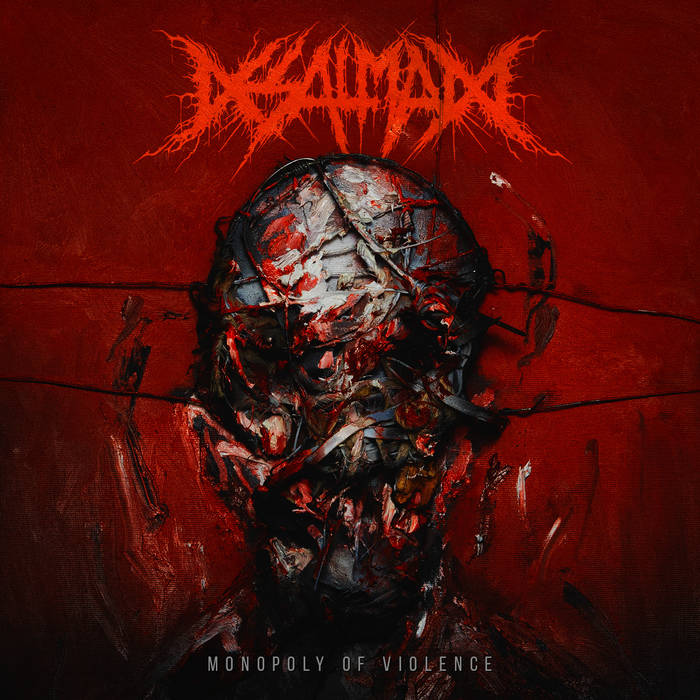
Embury's role in shaping grindcore, death metal, and black metal's chaotic soundscapes over multiple decades offers a blueprint for sustained creative contribution that contrasts sharply with the destructive patterns displayed by other veteran musicians. His approach to extreme music as both artistic expression and community building resonates strongly with South American grindcore acts like Brazilian grindcore pioneers Desalmado, who have similarly balanced sonic extremity with scene stewardship.
The technical and compositional complexity that defines peak extreme metal requires the kind of disciplined creative focus that substance abuse and misconduct inherently undermine. South American black metal acts like Devaster and Interitvm have built their reputations precisely on this combination of musical intensity and professional integrity, understanding that extreme metal's power derives from channeling chaos through controlled artistic expression.
Progressive Metal's Complexity Standards
The ongoing analysis of progressive metal's artistic merit through complexity measurements reflects another approach to maintaining metal's creative standards. When veteran Swedish progressive acts like Evergrey are evaluated based on their compositional sophistication and accessibility balance, it establishes objective criteria for artistic success that transcend personal drama or industry politics.
This focus on musical complexity as a measure of artistic worth offers an alternative framework for evaluating metal's evolution—one based on creative achievement rather than commercial success or celebrity status. Progressive metal's emphasis on technical proficiency and conceptual depth requires the kind of sustained creative discipline that directly conflicts with the destructive behaviors plaguing other corners of the metal world.

South American progressive acts understand this connection between personal stability and artistic complexity. The sophisticated compositions that characterize the best metal bands demand clear thinking, collaborative creativity, and long-term artistic vision—qualities that substance abuse and predatory behavior fundamentally compromise.
Community Protection and Cultural Evolution
The tragic death of a fan following a festival performance, prompting significant charitable contributions from the performing band, illustrates both the deep connections within metal communities and the responsibilities these relationships create. When musicians recognize their role in fans' lives through meaningful memorial support, it establishes standards for artist-audience relationships that prioritize genuine care over exploitation.
This model of community responsibility—where successful artists actively support fans facing tragedy—represents metal culture at its most positive. The substantial financial contribution demonstrates how commercial success can be leveraged for community benefit, creating a framework for artist behavior that directly opposes the predatory patterns seen elsewhere in the scene.
South American metal festivals have long operated under similar principles of community care, where established bands routinely support emerging acts and fan welfare initiatives. This approach to scene building recognizes that metal's power derives from collective experience rather than individual celebrity, making artist misconduct not just personally harmful but culturally destructive.
Industry Infrastructure and Support Systems
The current crisis facing veteran metal musicians reveals fundamental weaknesses in industry support systems that leave aging artists vulnerable to health emergencies, financial instability, and personal deterioration. The reliance on crowdfunding for medical expenses and fan-organized meal trains for recovery support demonstrates both community solidarity and institutional failure.
However, these grassroots response networks also showcase metal culture's inherent strength—the willingness of fans and fellow musicians to provide material support during crises. This mutual aid tradition, deeply embedded in South American metal scenes due to economic necessity, offers a model for broader industry adoption of community-centered support systems.
The challenge facing the global metal community involves formalizing these informal support networks into sustainable infrastructure that can prevent crises rather than merely responding to them. South America's metal underground, with its decades of experience in resource-limited environments, provides valuable insights into building resilient scene networks that prioritize long-term community health over short-term commercial exploitation.
Cultural Responsibility and Future Standards
As metal culture continues evolving, the recent incidents involving veteran musicians serve as critical inflection points that will define the genre's future character. The swift accountability responses to misconduct allegations, combined with overwhelming support for artists facing health crises, suggest a community increasingly committed to protecting its most vulnerable members while maintaining uncompromising artistic standards.
The path forward requires balancing metal's rebellious traditions with mature recognition of the genre's cultural influence and social responsibilities. This evolution demands continued vigilance against exploitation while supporting the creative freedom and intense community connections that define metal culture at its best. South American metal scenes, with their long history of community-driven development and protective protocols, will continue playing crucial roles in modeling these balanced approaches for the global metal underground.