Slayer's Latin American Return and International Progressive Touring Signal South America's Metal Market Maturation

The international metal touring landscape is experiencing a seismic shift that places South America at the center of a new era of professional metal circuit development. Slayer's anticipated Latin American tour announcement represents more than just another legendary band's return to the continent—it signals the maturation of South America's metal infrastructure into a legitimate cornerstone of global touring strategies.
Slayer's Strategic Latin American Focus Validates Continental Metal Authority
When Slayer teases their most extensive run of shows since reuniting, specifically targeting Latin America, it acknowledges what the South American metal scene has built over decades of underground development. This isn't charity touring or experimental market testing—it's recognition that the continent has developed the infrastructure, audience sophistication, and cultural authority to anchor major international campaigns.
The significance extends beyond ticket sales. Slayer's focus on Latin America validates the thrash metal foundations that bands like Violent Curse, Ultimo Ataque, and The Troops of Doom have perfected through years of independent operation. These acts have maintained the authentic thrash metal traditions that international audiences now desperately seek, creating a cultural ecosystem that makes South America indispensable for legendary acts seeking genuine metal environments.
Progressive Metal's 2026 Touring Surge Creates Continental Opportunities
The progressive metal touring announcements for 2026—including Periphery's extensive North American campaigns and DragonForce's anniversary celebrations—reveal emerging patterns that South American metal bands touring 2026 can leverage strategically. These international acts are embracing longer album anniversary tours and deep catalog exploration, approaches that South American metal has perfected through necessity and artistic integrity.
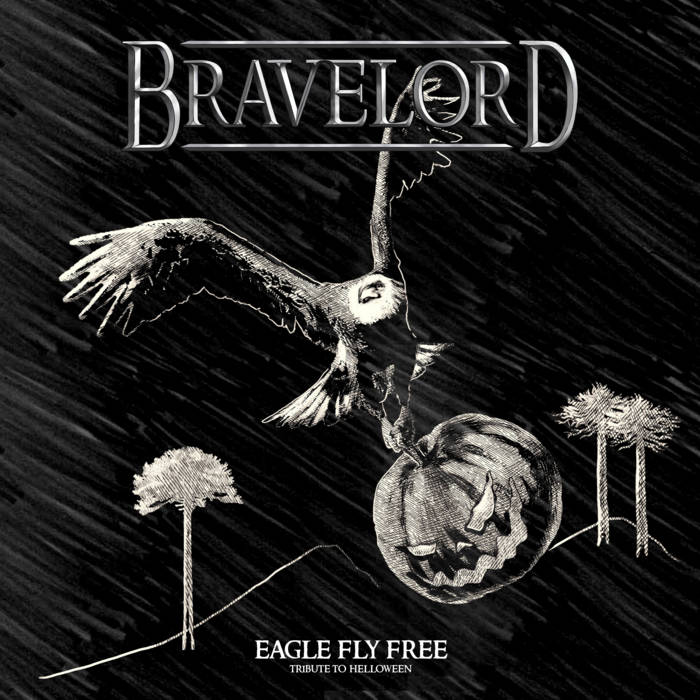
DragonForce's 20th-anniversary tour for "Inhuman Rampage" demonstrates how power metal's theatrical elements and technical precision have evolved into major touring draws. This creates unprecedented opportunities for South American power metal acts like Revenge and Bravelord, who have developed similar technical mastery and theatrical sophistication through years of underground refinement.
The progressive metal surge also validates the experimental approaches that bands across the continent have pioneered. When international acts announce extensive technical showcases, they're following pathways that South American progressive metal has mapped through decades of independent innovation and audience education.
International Collaboration Models Transform Continental Metal Networks
The unexpected collaboration between Black Veil Brides and Machine Head's Robb Flynn on "Revenger" signals a fundamental shift in how metal's creative partnerships develop. These cross-genre collaborations create templates that South American metal networks can adapt for continental and international expansion strategies.

South American metal has always operated through collaborative networks born from geographic necessity and shared resources. The international embrace of unexpected partnerships validates approaches that continental acts have used to develop sophisticated musical fusion and cross-pollination strategies. When established international acts begin experimenting with collaboration models, they're adopting methodologies that South American extreme metal perfected through underground survival.
This collaborative evolution creates opportunities for South American acts to position themselves as partnership leaders rather than followers. The continent's experience with genre fusion and creative collaboration makes local acts valuable partners for international projects seeking authentic innovation rather than commercial formula.
Heavy Metal's Foundation Revival Strengthens Continental Metal Authority
The international metal scene's renewed focus on foundational heavy metal approaches—from anniversary touring to deep catalog exploration—validates the comprehensive musical education that South American metal has maintained throughout commercial trends and industry upheaval. While international metal chased commercial innovations, South American acts preserved the technical foundations and authentic approaches that global metal now desperately needs to reclaim.
This foundation revival creates advantages for South American heavy metal acts who never abandoned classical approaches to songcraft, performance, and audience engagement. Bands like Blazing Dog and The Knickers have maintained authentic heavy metal traditions that international audiences increasingly value over commercial innovation.

The emphasis on musical authenticity and foundational mastery positions South American metal as cultural authorities rather than peripheral markets. When best metal bands from established markets begin seeking authentic approaches to classic metal traditions, South American acts become teachers rather than students in the global metal education system.
Black Metal and Death Metal's Underground Resilience Drives Continental Innovation
While international metal focuses on progressive spectacle and commercial collaboration, South America's black metal and death metal scenes continue developing the underground innovations that define authentic extreme metal evolution. The continent's 195 black metal acts and 236 death metal bands represent not just numerical strength, but philosophical commitment to extreme metal's foundational principles.
International metal's increasing commercialization creates opportunities for South American extreme metal to position itself as the guardian of authentic underground values. When global metal seeks credibility and artistic integrity, the continental extreme metal scene offers genuine alternatives to commercial compromise and artistic dilution.
The underground resilience that characterizes South American extreme metal becomes increasingly valuable as international metal struggles with authenticity and creative independence. Continental acts have perfected sustainable models for extreme metal development that don't require commercial validation or industry support.
Market Maturation Creates Professional Continental Metal Infrastructure
The convergence of international touring focus on Latin America, progressive metal's technical evolution, and extreme metal's underground authority creates unprecedented opportunities for continental metal infrastructure development. South America is transitioning from metal market to metal authority, from peripheral scene to central influence in global metal development.
This market maturation requires strategic thinking about how South American metal leverages its established advantages while developing new capabilities for international engagement. The continent's metal scene has the cultural authority, technical mastery, and authentic foundations necessary for leadership roles in global metal development.
The question is no longer whether South American metal can compete internationally, but how the continent's metal leadership will shape global metal's future direction. From Slayer's touring priorities to progressive metal's technical standards, international metal is already following South American innovations.
For emerging acts and established continental bands, these developments create opportunities for strategic positioning that goes beyond regional success toward global metal influence. The South American metal scene has built the foundation—now it's time to leverage that authority for continental metal dominance in the global landscape.