Backing Track Authenticity Debates and Studio Documentation Drive South America's Live Performance Purity Movement

The metal world's ongoing struggle with authenticity reached new heights this week as multiple bands addressed live performance integrity and studio documentation practices. From heated debates about backing tracks to transparent studio processes, these developments validate the uncompromising live performance standards that South American metal has maintained throughout decades of underground evolution.
The Authenticity Wars: When Metal Gets Real
Chevelle drummer Sam Loeffler's recent comments about bands relying heavily on pre-recorded tracks during live shows struck at the heart of metal's authenticity crisis. His observation that "some of these guys aren't playing any of it" during concerts highlights a growing divide between commercial metal's studio-dependent performances and the raw, unfiltered approach that defines authentic heavy music.
This controversy resonates deeply within South America's metal underground, where bands have consistently prioritized live performance authenticity over commercial convenience. Acts like Braincrusher and Viollen have built their reputations on delivering crushing live performances without technological crutches, proving that thrash metal's power comes from human energy rather than digital enhancement.
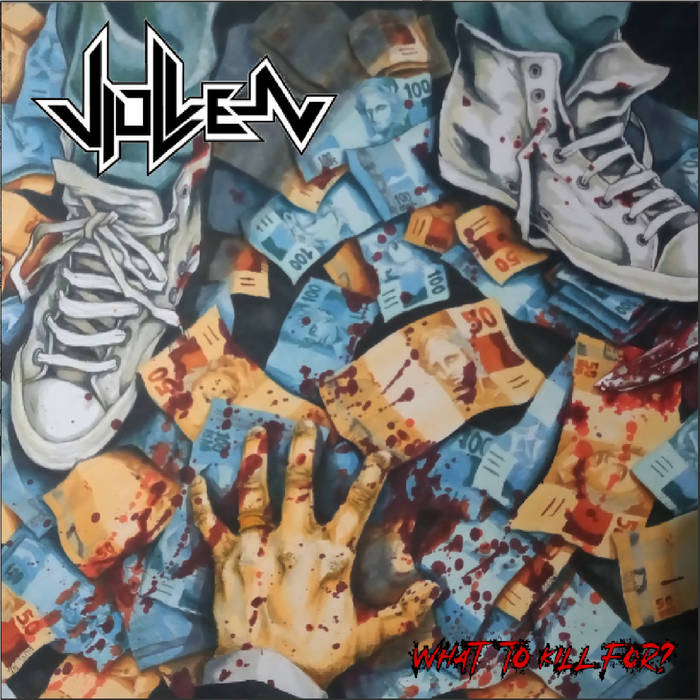
The backing track debate exposes a fundamental philosophical split in contemporary metal. While major touring acts increasingly rely on programmed elements to recreate studio complexity, South American extreme metal bands have perfected the art of translating studio intensity into live power through pure musicianship and stage presence.
Studio Transparency and Creative Documentation
Australian metalcore giants Parkway Drive's recent studio activity demonstrates the power of transparent creative processes. Their willingness to document recording sessions and share creative insights reflects a growing trend toward demystifying metal production, something South American bands have embraced out of necessity during decades of independent operation.
This transparency movement validates approaches that South American death metal and black metal bands have used since the underground scenes first emerged. Without major label budgets for mysterious marketing campaigns, acts like Primordium and Sympherium have built dedicated followings by sharing honest documentation of their creative processes and studio experiences.
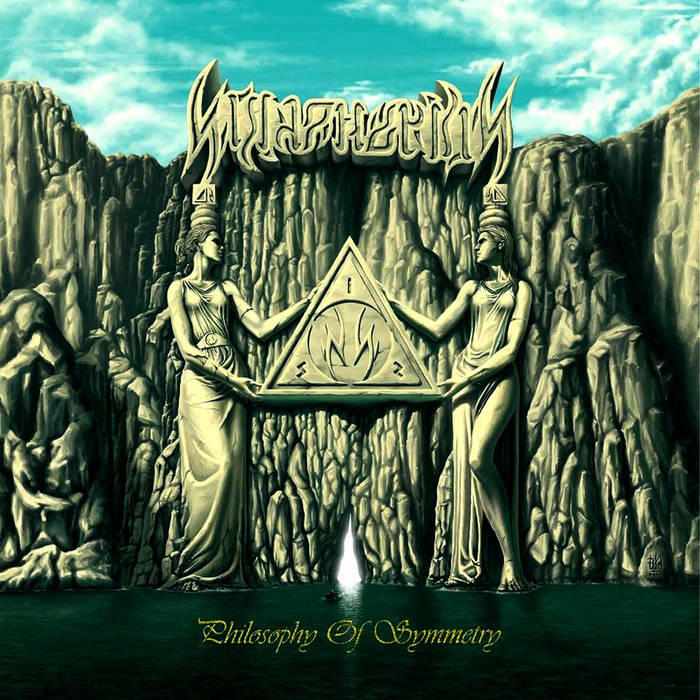
The democratization of studio documentation through social media and streaming platforms creates unprecedented opportunities for South American extreme metal bands to compete on equal footing with international acts. When fans can witness the creative process firsthand, geographical boundaries become irrelevant, and authenticity becomes the primary differentiator.
Veteran Perspectives on Mortality and Legacy
Exodus guitarist Gary Holt's recent reflections on mortality and the physical demands of metal performance highlight the human costs of decades-long metal careers. His concerns about the sustainability of extreme touring schedules reflect broader industry conversations about aging musicians and the long-term viability of metal's most physically demanding performance styles.
These conversations hold particular significance for South America's veteran metal musicians, many of whom have sustained underground careers for decades without the financial resources that support international metal's medical and recovery infrastructure. The wisdom gained through years of independent touring and resource management positions South American acts to offer valuable perspectives on sustainable metal careers.
Mikkey Dee's nostalgic reflections on Motörhead's legendary lineup similarly underscore the irreplaceable chemistry that defines the best metal bands of any era. His comments about the collaborative spirit that made Motörhead special resonate with South American extreme metal bands who have built similar collaborative relationships within their regional scenes.
Classic Metal Revival and Contemporary Relevance
Iron Maiden's surprise performance of "Infinite Dreams" after a 30-year absence demonstrates how classic metal's enduring power continues to influence contemporary scenes. These unexpected setlist additions remind audiences why certain 80s metal bands remain culturally relevant across multiple generations.
The revival of deep catalog material reflects growing sophistication among metal audiences, who increasingly appreciate bands willing to explore beyond greatest hits collections. This trend creates opportunities for South American acts to showcase their own overlooked catalog gems and demonstrate the depth of their songwriting traditions.
South America's black metal and thrash metal scenes have consistently maintained connections to metal's classic roots while developing distinctive regional characteristics. Bands like Speedkvlt and Atomic Spell exemplify this balance, honoring traditional metal principles while pushing creative boundaries.

The Future of Metal Authenticity
Judas Priest bassist Ian Hill's recent comments about their upcoming album taking a "more traditional" approach suggests that even metal's most established acts recognize the value of authentic, straightforward heavy metal. This return to fundamentals validates the approaches that South American underground bands have never abandoned.
The tension between technological enhancement and authentic performance will likely define metal's evolution throughout 2026 and beyond. As metal bands touring 2026 continue to navigate these challenges, South American acts possess unique advantages through their experience with resource-conscious creativity and community-connected performance strategies.
Roy Khan's upcoming solo project, which explicitly aims to recapture classic Kamelot sounds, demonstrates how veteran musicians increasingly value authentic recreation over commercial innovation. This trend toward sonic authenticity over technological novelty aligns perfectly with South American metal's longstanding emphasis on genuine artistic expression.
Regional Implications and Global Connections
The current debates about metal authenticity create unprecedented opportunities for South American metal scenes to demonstrate their sophisticated understanding of genuine heavy music. While international acts grapple with backing track controversies and studio transparency issues, regional bands have been perfecting these approaches for decades.
The South American metal scene continues developing new approaches to authentic performance and creative documentation that could influence global metal practices. As international metal seeks solutions to authenticity crises, South American innovations in community-connected performance and transparent creative processes offer proven alternatives to commercial metal's technological dependencies.
Looking toward the second half of 2026, the authenticity debates currently dominating metal conversations will likely intensify. South American metal's emphasis on genuine performance and honest creative documentation positions regional acts to play increasingly important roles in metal's evolution toward more authentic, sustainable artistic practices.
The future belongs to metal acts willing to prioritize authentic expression over commercial convenience, and South America's underground scenes have been preparing for this moment through decades of independent innovation and community-focused artistry.