Courage and Coming Out: How Personal Authenticity Drives South American Metal's Fearless Underground Expression

When Beartooth's Caleb Shomo publicly came out as gay this week, declaring himself "a proudly gay man" after stepping away from social media due to homophobic backlash, his courageous stance highlighted something South American metal has understood for decades: authentic self-expression creates the most powerful music. While international metal sometimes struggles with acceptance and identity politics, South America's underground metal scenes have long fostered environments where personal authenticity fuels artistic innovation.
Shomo's announcement comes at a pivotal moment for metal's relationship with LGBTQ+ identity. His decision to address speculation directly rather than retreat demonstrates the kind of fearless honesty that drives exceptional songwriting. This authentic approach to personal identity mirrors the unflinching self-examination that has characterized South American metal's most compelling artists across genres from black metal to hardcore crossover.
The Courage of Artistic Authenticity
Personal courage in metal extends far beyond coming out stories. Iron Maiden's decision to perform "Infinite Dreams" live for the first time in 38 years at their Athens show demonstrates another form of artistic bravery—revisiting material that challenges both musicians and audiences. These kinds of bold creative choices have always defined the best metal bands, and South American acts have particularly excelled at taking artistic risks that larger international acts often avoid.
The parallels between personal and artistic courage are striking. When Exodus guitarist Gary Holt candidly discusses mortality, stating "I don't wanna die on stage" while contemplating the band's future, he's demonstrating the same honest self-assessment that drives great metal songwriting. This willingness to confront difficult truths—whether about identity, mortality, or artistic legacy—creates the emotional depth that separates exceptional metal from generic offerings.
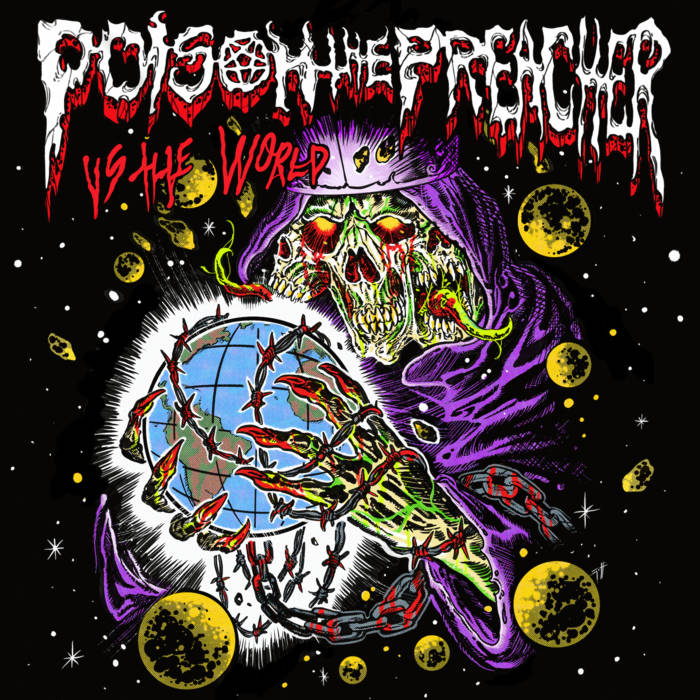
South American metal's strength has always been this unflinching honesty. From Brazil's technical death metal scene to Colombia's hardcore crossover networks, the region's most compelling acts have built their reputations on authentic expression rather than manufactured personas. Poison the Preacher exemplifies this approach, combining hardcore punk's political directness with thrash metal's technical precision to create music that reflects genuine experience rather than commercial calculation.
Legacy Building Through Honest Expression
The ongoing Soundgarden project to complete their final album with Chris Cornell recordings illustrates how authentic artistic relationships create lasting legacies. Guitarist Kim Thayil's description of the project as "very, very important to all of us" reflects the deep personal connections that produce metal's most enduring work. These kinds of meaningful creative partnerships have always been crucial to the South American metal scene, where collaboration often transcends commercial considerations.
Similarly, Darryl Jenifer's announcement of his instrumental album "The Weather Channel"—described as rooted in exploratory jazz with elements of fusion, dub, and psychedelia—demonstrates how metal veterans expand their artistic horizons through honest creative exploration. This willingness to experiment and grow artistically has characterized South America's most innovative metal acts, who have never been constrained by genre expectations or commercial pressures.
The technical death metal innovations emerging from Brazil, the atmospheric black metal developments in Chile, and the crossover hardcore evolution throughout Colombia all reflect this commitment to artistic authenticity. These scenes have produced some of the best heavy metal songs of the past decade precisely because their creators prioritize honest expression over marketable formulas.
Genre Innovation Through Personal Truth
The diversity of recent releases—from Upon A Burning Body's new tracks "Voices In The Dark" and "A Wolf In Sheep's Clothing" to The Acacia Strain's live videos for "Chain" and "Fresh Bones"—demonstrates how personal authenticity drives genre innovation. When artists create from genuine experience rather than calculated commercial appeal, they push musical boundaries in unexpected directions.
South American metal has mastered this approach across multiple subgenres. The region's black metal acts like Black Mass combine traditional Norwegian influences with distinctly Latin American cultural elements, creating hybrid sounds that feel both authentic and innovative. This genuine fusion approach has produced some of the most compelling extreme metal of recent years, influencing international acts who are now attempting similar cultural synthesis.
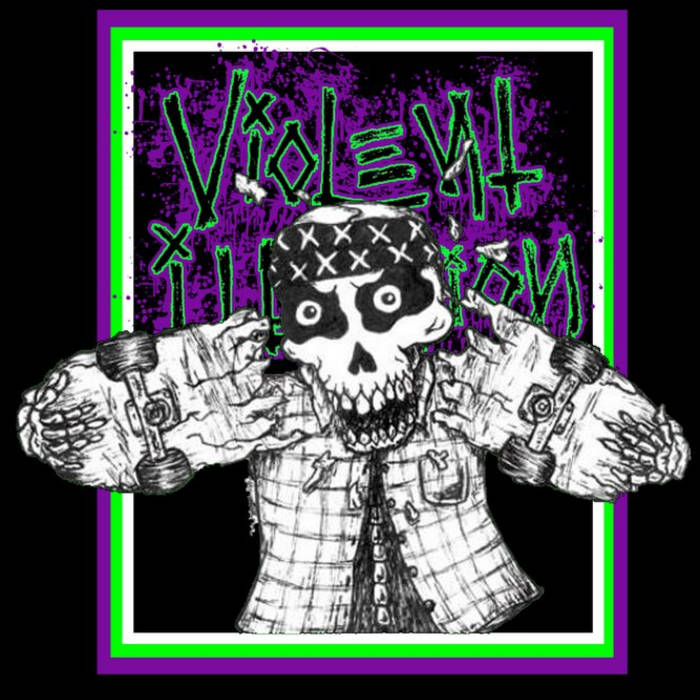
The crossover and thrash metal scenes throughout South America have similarly perfected authentic genre blending. Acts like Violent Illusion demonstrate how personal honesty and cultural authenticity create more powerful music than generic adherence to established formulas. These artists understand that the best metal albums of all time emerged from genuine artistic vision rather than commercial calculation.
Professional Courage and Sustainable Careers
Dean DeLeo's One More Satellite project completing work on their second album illustrates how veteran musicians continue exploring authentic artistic expression throughout their careers. This commitment to ongoing creative development, rather than simply repeating past successes, reflects the professional courage that sustains meaningful metal careers. South American metal veterans have particularly excelled at this kind of career evolution, constantly pushing their artistic boundaries while maintaining core identity.
The conversation around AI avatars and digital representation—highlighted by the Ozzy Osbourne avatar controversy—raises important questions about authentic artistic expression in the digital age. Jack Osbourne's insistence that the AI avatar will be "tasteful" and that Ozzy "would be into this" demonstrates how even technological innovation requires honest consideration of artistic integrity.
South American metal's independent infrastructure has always prioritized authentic artistic representation over technological gimmicks. The region's new metal bands 2026 are emerging from this foundation of genuine expression, creating music that resonates because it reflects real experience rather than manufactured personas or digital manipulation.
Cultural Impact Beyond Music
The broader cultural implications of authentic expression in metal extend far beyond individual coming-out stories or artistic announcements. When artists like Caleb Shomo demonstrate courage in personal revelation, they create space for other musicians and fans to embrace their own authenticity. This ripple effect has been particularly powerful in South American metal scenes, where social and political authenticity often directly influences musical innovation.
The region's hardcore and crossover acts have long understood that personal courage and political honesty create more powerful music than generic rebellion or manufactured controversy. This understanding has produced metal that engages meaningfully with real social issues while maintaining the technical excellence and emotional intensity that define exceptional heavy music.
Metal bands touring 2026 who prioritize authentic expression over commercial calculation will likely find the most receptive audiences in regions like South America, where underground metal scenes have always valued genuine artistic vision over manufactured personas. The foundation of honest creative community that has sustained South American metal through decades of independent operation continues attracting international attention as global metal seeks more meaningful artistic approaches.
As international metal grapples with questions of identity, authenticity, and artistic courage, South America's underground networks offer proven models for building sustainable metal careers based on genuine expression rather than commercial manipulation. The courage demonstrated by artists like Caleb Shomo in sharing personal truth parallels the artistic bravery that has always defined the region's most compelling metal acts.