Blackened Melodeath Innovations and Modern Metal Synthesis Drive South America's Extreme Subgenre Evolution
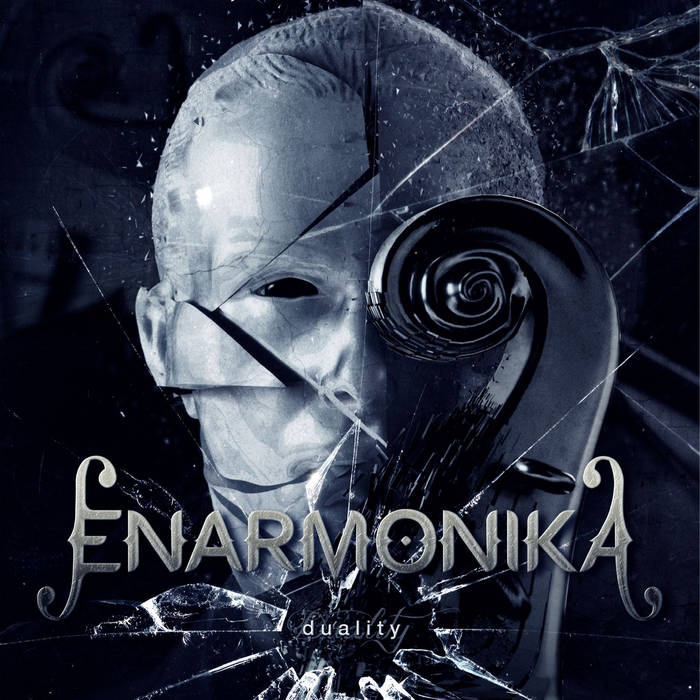
The latest wave of international metal releases reveals a fascinating convergence around blackened melodic death metal and modern synthesis approaches that South American extreme metal practitioners have been perfecting for over two decades. While bands like Thrown Into Exile debut their sophisticated blackened melodeath approach on major labels, the South American underground continues to demonstrate that these hybrid subgenres represent the future of extreme metal innovation.
The Blackened Melodeath Revolution Takes Center Stage
Los Angeles-based Thrown Into Exile's new single "Behind The Veil" showcases the blackened melodeath synthesis that has become increasingly prominent in international metal circles. Their BLKIIBLK label debut demonstrates how atmospheric black metal elements enhance traditional melodic death metal frameworks, creating the kind of multi-dimensional extreme metal that bands like Carnified and Scourge have been developing throughout South America's underground networks.

The emergence of blackened melodeath as a commercially viable subgenre validates the hybrid approaches that South American death metal acts have pioneered through decades of independent experimentation. While international acts are discovering these synthesis techniques, the region's extreme metal scene has already established sophisticated frameworks for combining atmospheric black metal textures with technical death metal precision.
What makes this development particularly significant is how these hybrid approaches address traditional limitations in both parent genres. Pure melodic death metal can become formulaic, while atmospheric black metal sometimes lacks the technical sophistication that modern audiences expect. The blackened melodeath synthesis creates unprecedented dynamic range and compositional complexity.
Symphonic Metal's Cinematic Evolution
Dimmu Borgir's release of "As Seen In The Unseen" demonstrates how symphonic black metal continues evolving toward cinematic presentation models that South American acts like Ceremonial Flames and Enarmonika have been developing through grassroots innovation. The Norwegian veterans' new material from "Grand Serpent Rising" showcases production techniques and orchestral integration that mirror approaches pioneered throughout South America's symphonic metal underground.
The cinematic music video treatment accompanying Dimmu Borgir's latest release reflects broader trends toward multimedia storytelling that validate the comprehensive artistic approaches South American symphonic metal has embraced by necessity. Operating with limited traditional marketing resources, regional acts have perfected visual storytelling techniques that enhance musical narratives through independent creative partnerships.
This symphonic evolution demonstrates how atmospheric elements enhance extreme metal's emotional impact without compromising technical intensity. South American symphonic metal practitioners understand that orchestral arrangements must serve compositional goals rather than functioning as decorative additions, creating the kind of integrated artistry that international acts are now embracing.
Modern Metal's Production Renaissance
The recent surge in modern metal releases featuring sophisticated production approaches reflects industry-wide recognition of technical standards that South American metal has been developing through independent studio networks. Illumishade's "Paralyzed" demonstrates the kind of polished, hook-driven modern metal that requires extensive production expertise and collaborative songwriting approaches.
What distinguishes South America's modern metal development is how regional acts balance commercial accessibility with underground authenticity. While international modern metal sometimes prioritizes market appeal over artistic integrity, the region's best metal bands understand that sustainable careers require both technical excellence and genuine creative vision.
The production techniques showcased in recent international releases reflect approaches that South American metal studios have been perfecting through decades of resource-efficient innovation. Bands across the region have learned to achieve professional-quality results through creative problem-solving and community collaboration rather than expensive equipment dependencies.
Nordic Folk Metal's Cultural Authenticity
Einherjer's Norwegian-language ballad "Dei Så Ser" demonstrates how folk metal achieves maximum impact through cultural authenticity and linguistic precision. Their exploration of Norse philosophical concepts through traditional musical frameworks offers valuable lessons for South American metal acts incorporating indigenous cultural elements into extreme metal compositions.
The Nordic approach to folk metal integration provides instructive parallels for South American bands developing culturally-rooted extreme metal. Just as Einherjer draws from Norwegian cultural traditions to enhance black metal foundations, regional acts like Crown of Fallen Heroes demonstrate how pre-Columbian mythologies and regional folklore create unprecedented depth in extreme metal storytelling.
What makes these cultural integration approaches successful is their commitment to authentic research and respectful representation. The best folk metal transcends superficial cultural appropriation by engaging seriously with historical and philosophical traditions, creating educational value alongside musical innovation.
Genre Synthesis and Underground Innovation
The convergence of multiple synthesis approaches in recent international releases validates the experimental methodologies that South American extreme metal has been developing through grassroots innovation networks. While major label acts are discovering the commercial viability of hybrid subgenres, the region's underground has already established proven frameworks for successful genre combination.
Danish band Raunchy's twelve-year gap between albums reflects the kind of extended development cycles that allow for genuine artistic evolution rather than rushed commercial releases. This patient approach to creative development mirrors strategies that South American metal acts have employed by necessity, creating sustainable career models that prioritize long-term artistic growth over short-term market pressures.
The lyrical complexity and thematic sophistication evident in recent international releases demonstrates how modern audiences expect intellectual engagement alongside musical innovation. South American extreme metal has always understood that successful underground metal requires both technical mastery and conceptual depth, creating the kind of comprehensive artistry that sustains long-term fan loyalty.
Technical Innovation and Community Development
The technical sophistication evident in recent blackened melodeath and modern metal releases reflects broader trends toward instrumental virtuosity that South American metal has been cultivating through extensive underground collaboration networks. The region's best metal bands understand that technical innovation emerges from community knowledge sharing rather than individual competition.
What distinguishes South America's approach to technical metal development is the emphasis on compositional service rather than virtuosic display. While international acts sometimes prioritize technical complexity for its own sake, the region's extreme metal practitioners focus on how advanced techniques enhance emotional impact and narrative development.
The collaborative approaches evident in successful international metal releases mirror the community-driven development models that South American metal has perfected through decades of resource-efficient operation. Regional acts understand that sustainable metal careers require extensive peer networks and mutual support systems rather than purely competitive relationships.
Future Directions and Emerging Opportunities
The success of recent hybrid subgenre releases creates unprecedented opportunities for South American extreme metal acts who have been perfecting these synthesis approaches through underground experimentation. As international metal increasingly embraces the kind of genre-blending innovation that defines the region's best bands, collaborative opportunities and recognition possibilities continue expanding.
The emphasis on cultural authenticity in successful folk metal provides valuable guidance for South American acts developing regionally-specific extreme metal approaches. The global metal audience increasingly appreciates genuine cultural exploration over generic international metal formulas, creating opportunities for acts that offer distinctive regional perspectives.
Most significantly, the technical and production standards evident in recent international releases validate the quality levels that South American extreme metal has been achieving through independent innovation. As the global metal scene recognizes the sophistication possible through underground development models, the region's extensive network of accomplished bands positions itself for increased international recognition and collaborative opportunities.