Artificial Intelligence Integration and Orchestral Metal Innovation Drive South America's Digital Underground Renaissance
The global metal scene's embrace of artificial intelligence technology and orchestral sophistication creates unprecedented opportunities for South America's digitally-savvy underground networks, which have spent decades perfecting the hybrid approaches that international acts are now discovering through expensive corporate partnerships.
AI Technology Transforms Metal Performance and Fan Interaction
Ozzy Osbourne's partnership with Hyperreal to create a comprehensive AI avatar represents more than celebrity novelty—it signals fundamental shifts in how metal artists can maintain global presence without traditional touring infrastructure. The technology captures "digital DNA" including voice, image, and movement patterns, enabling worldwide fan interaction that transcends geographic limitations.
This development validates South American metal's long-standing expertise in digital fan engagement born from necessity. While international acts required corporate partnerships to explore AI integration, regional bands have spent years mastering direct digital connection through streaming platforms, social media interaction, and virtual performance techniques that major labels are now attempting to replicate at massive expense.
The implications extend beyond individual artist promotion. AI-powered interaction systems could revolutionize how South American extreme metal acts connect with international audiences, eliminating traditional barriers of touring costs and visa complications that have historically limited regional exposure. Excised and other death metal acts could leverage similar technologies to build global fanbases without compromising their underground authenticity or community connections.
Orchestral Metal's Technical Evolution Creates South American Opportunities
Apocalyptica's return to active recording after completing European collaboration features demonstrates classical metal's continued evolution and market viability. Their cello-driven approach proves that unconventional instrumentation can maintain commercial success while pushing creative boundaries—a combination that South American metal has perfected through decades of resource-limited innovation.
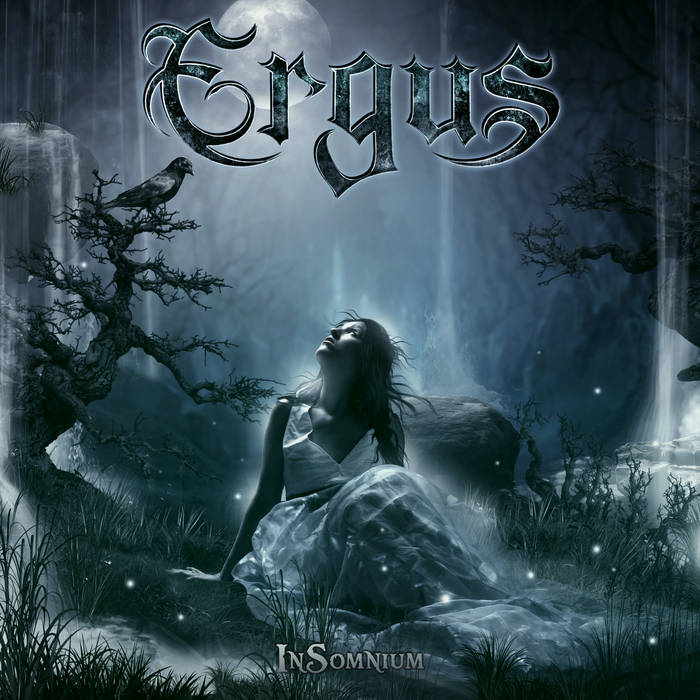
The Finnish quartet's success with orchestral elements validates similar approaches throughout South America's metal underground. Ergus and other symphonic metal acts have long demonstrated that orchestral sophistication doesn't require European conservatory training or major label backing. Regional musicians have developed hybrid techniques combining classical training, metal intensity, and folk influences that create unique sonic territories unavailable through traditional metal approaches.
This orchestral metal renaissance also highlights South America's competitive advantages in classical-metal fusion. Many regional musicians receive classical training through state-sponsored music programs, creating technical foundations that European and North American metal acts achieve only through expensive private instruction. Combined with metal's underground development, this creates distinctive hybrid approaches that position South American acts perfectly for orchestral metal's expanding market opportunities.
Progressive Metal's Creative Philosophy Influences Regional Innovation
Devin Townsend's emphasis on "following creative compulsions" rather than market demands reflects progressive metal's core philosophy while highlighting sustainable career approaches that South American acts have practiced by necessity. His commitment to heart-driven creativity over commercial calculation validates the underground development models that regional extreme metal has refined through decades of independent operation.
This creative philosophy particularly resonates with South America's progressive and technical death metal scenes, where bands like Kevin Douglas have spent years developing sophisticated compositions without major label interference or commercial pressure. The result is often more adventurous and technically ambitious material than corporate-backed progressive acts produce under market constraints.

Townsend's approach also demonstrates how veteran artists maintain creative vitality through sustained underground connections—exactly the community-driven support systems that South American metal has perfected. While international progressive acts struggle with label expectations and touring pressures, regional musicians maintain creative freedom through direct fan support and community engagement that enables pure artistic development.
Death Metal's Anniversary Culture and Underground Authentication
Cannibal Corpse's "Vile" reaching its thirtieth anniversary highlights death metal's unique relationship with time and legacy recognition. Unlike mainstream music's constant innovation pressure, extreme metal celebrates sustained excellence and underground authenticity that accumulates power over decades rather than seeking immediate commercial impact.
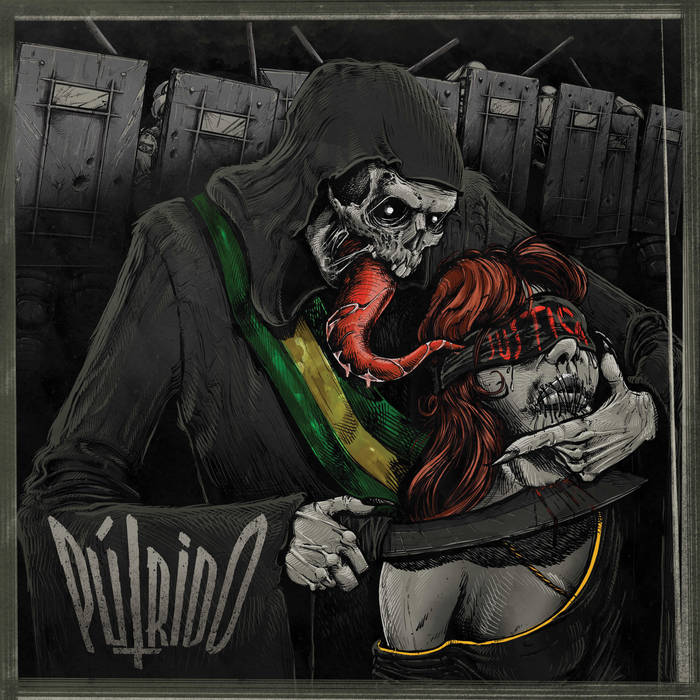
This anniversary culture particularly benefits South American death metal, where many acts have maintained consistent underground presence for decades without major label recognition or international touring opportunities. Bands like Pútrido and other regional death metal pioneers represent similar dedication to craft development and community building that major international acts achieve through different resource systems.
The celebration of thirty-year album milestones also validates underground metal's long-term development approaches over quick commercial success. South American extreme metal has always prioritized sustained excellence and community respect over immediate market penetration—exactly the values that enable albums like "Vile" to maintain relevance and influence across multiple decades of scene evolution.
Collaboration Networks and Feature Culture Development
The emergence of high-profile metal collaborations, including Matt Heafy's feature work with Burner, demonstrates how established artists increasingly participate in underground and emerging act development. This trend creates opportunities for South American metal acts who have perfected collaborative networks through decades of resource sharing and cross-pollination between regional scenes.
South America's metal underground has long operated through collaborative principles that international scenes are now discovering through formal partnership arrangements. Regional acts regularly share members, recording resources, and promotional support in ways that create stronger community foundations than corporate-driven collaboration systems achieve through contractual arrangements and label management.
These established collaboration networks position South American acts perfectly for international feature opportunities as global metal increasingly values underground authenticity and cross-genre experimentation. The region's musicians bring technical proficiency, creative flexibility, and community-driven professionalism that established international acts seek for collaborative projects but often struggle to find through traditional industry channels.
Genre Fusion and Roots Music Integration
Rudy Sarzo's return to musical roots after decades of high-profile band participation reflects broader metal trends toward authentic expression over commercial positioning. His emphasis on personally meaningful music validates similar approaches throughout South American metal, where cultural roots integration has always been necessity rather than artistic choice.
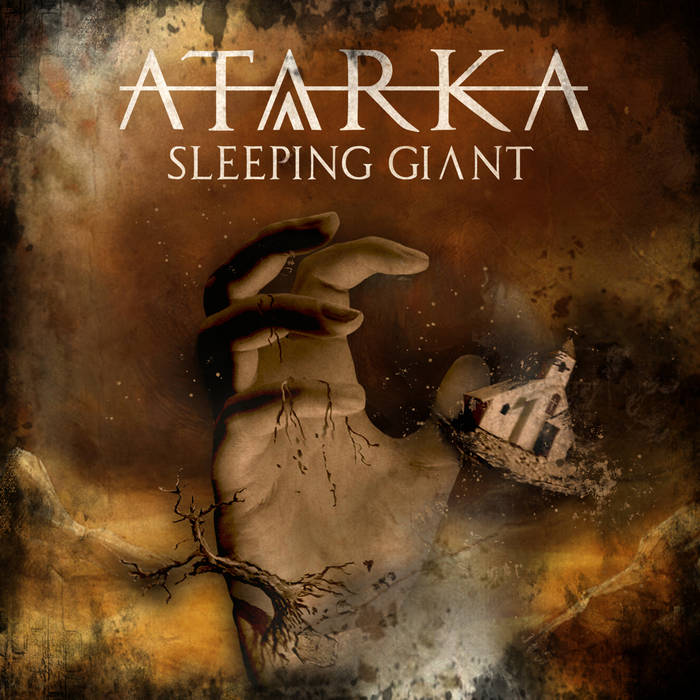
This roots-driven approach creates particular advantages for South American acts who naturally integrate indigenous musical elements, regional folk traditions, and cultural expressions that international metal scenes attempt to achieve through conscious fusion efforts. Bands like Atarka demonstrate how folk metal can emerge organically from cultural foundations rather than calculated market positioning.
The trend toward roots integration also highlights how veteran artist examples validate underground development approaches that prioritize personal authenticity over commercial calculation. South American metal's natural cultural diversity and indigenous influence integration positions regional acts perfectly for international markets increasingly interested in authentic cultural expression over generic extreme metal formulas.
Digital Renaissance and Underground Infrastructure
The convergence of AI technology, orchestral sophistication, and collaboration culture creates unprecedented opportunities for South America's metal underground to leverage decades of digital innovation and community building for international recognition. While major acts require corporate partnerships to explore these territories, regional musicians have developed sustainable, community-driven approaches that offer superior creative freedom and authentic fan connection.
This digital renaissance particularly benefits extreme metal acts who can now reach global audiences without compromising underground principles or community connections. The combination of AI fan interaction, orchestral sophistication, and collaborative networks enables South American metal to compete internationally while maintaining the authentic underground culture that creates lasting artistic value and community support.
Submit your band to join South America's expanding metal index and connect with the region's most innovative underground networks leading global metal's digital evolution.