Vocalist Search Transparency and Multimedia Metal Ventures Signal Artist Professionalization as South American Thrash Networks Pioneer Democratic Band Operations
The professional metal industry's embrace of transparent recruitment processes and multimedia storytelling ventures reveals a fundamental shift toward artist professionalization that South American thrash metal networks have quietly pioneered through decades of democratic band operations and collaborative creative development.
Corporate Partnership Innovation Transforms Talent Discovery
Skid Row's groundbreaking partnership with Sweetwater to conduct their vocalist search represents more than just recruitment innovation—it signals metal's evolution toward professional talent acquisition systems. This transparent approach validates the open audition processes and democratic selection methods that South American thrash acts have developed out of necessity, turning geographic isolation into competitive advantage through inclusive band formation strategies.
The collaboration between an established band and music retail infrastructure demonstrates how best metal bands increasingly recognize that sustainable careers require professional support systems beyond traditional label relationships. This model parallels the community-driven support networks that have sustained the South American metal scene for decades, where local music stores, recording studios, and venues function as integrated career development ecosystems.
Rachel Bolan's frank discussions about the search process reflect metal's growing comfort with transparency during vulnerable transition periods. This openness contrasts sharply with the secretive replacement processes that characterized earlier generations of metal band operations, suggesting that audiences now value authenticity over manufactured mystique.
Cinematic Collaborations Expand Creative Territories
John Carpenter's announcement of a metal album paired with graphic novel storytelling represents the multimedia approach that forward-thinking metal acts are embracing to expand their creative territories beyond traditional album cycles. This cross-medium strategy validates the diverse artistic pursuits that many South American metal musicians have maintained by necessity, developing skills in visual arts, literature, and film to support their musical careers.
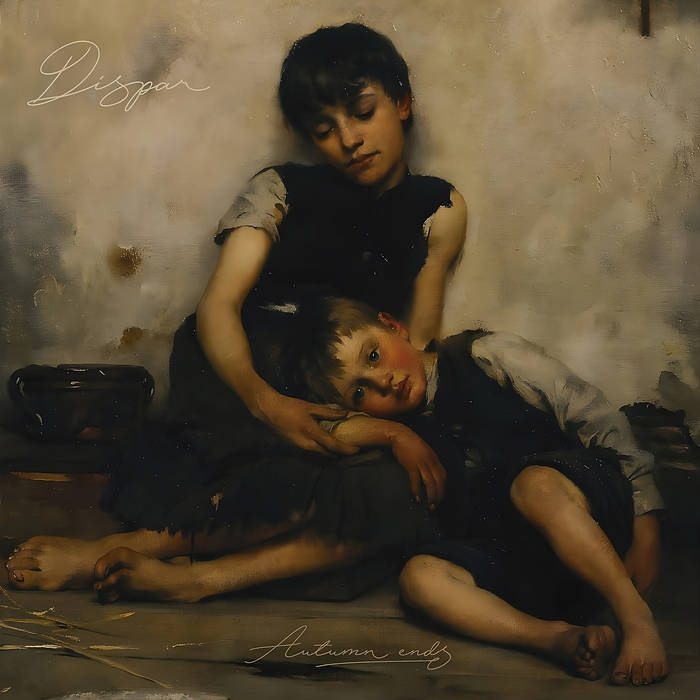
The horror master's entry into metal demonstrates how the genre's atmospheric possibilities attract collaborators from other creative disciplines, creating opportunities for bands that understand multimedia storytelling. South American acts like Dispar have mastered atmospheric composition techniques that translate effectively across different media formats, positioning them perfectly for similar collaborative opportunities.
Carpenter's "Cathedral" project suggests that metal's future lies in expanded narrative frameworks rather than traditional song-based releases. This evolution creates space for the conceptual sophistication that characterizes much South American extreme metal, where bands routinely construct elaborate mythological and philosophical frameworks for their musical explorations.
European Touring Expansion Creates Market Opportunities
Mental Cruelty's first European headlining tour announcement, supported by acts like Ov Sulfur and Extermination Dismemberment, illustrates how extreme metal's touring infrastructure continues expanding to accommodate technically demanding acts. This development creates precedents for South American extreme metal bands seeking to establish similar touring circuits that showcase technical proficiency alongside atmospheric composition.
The inclusion of diverse extreme metal subgenres on single tour packages reflects the increasingly sophisticated audience expectations for technical variety and compositional complexity. South American acts like Evilbringer, who seamlessly blend black, death, and thrash elements, are perfectly positioned to capitalize on this trend toward genre-diverse lineups that prioritize musicianship over narrow stylistic categories.

These international touring developments suggest that metal bands touring 2026 will need to demonstrate technical mastery across multiple extreme metal disciplines rather than specializing in single subgenres. This requirement plays directly to the strengths of South American metal education systems, where musicians routinely develop competency across multiple extreme metal approaches due to smaller, more collaborative scene dynamics.
Health Realities Drive Sustainable Career Models
Nikki Sixx's reflections on Vince Neil's health challenges highlight the physical realities that metal careers must navigate as the genre's founding generation ages. This mature perspective on career sustainability validates the moderate, community-focused approach that many South American metal acts have embraced, prioritizing longevity over unsustainable touring schedules and lifestyle excess.
The Mötley Crüe bassist's empathetic comments suggest that metal culture is developing more sophisticated support systems for musicians facing health challenges, moving beyond the destructive mythologies that characterized earlier decades. This evolution creates space for the holistic approach to musical careers that South American acts have maintained, where music exists within broader community and family contexts rather than as isolated artistic pursuit.
These discussions about performer vulnerability and career uncertainty normalize the collaborative support networks that sustain South American metal scenes, where musicians routinely assist each other through health challenges, equipment failures, and economic pressures that would derail more individualistic career approaches.
Technical Innovation Drives Artistic Legacy
The posthumous release of Brent Hinds' final guitar work on Marcus King's "Red Door" demonstrates how technical mastery transcends genre boundaries and creates lasting artistic impact. The reported 278 takes required for the solo reveal the perfectionism that characterizes truly exceptional metal musicianship, validating the intensive practice regimens and technical standards that South American extreme metal maintains.
This crossover collaboration between metal technical expertise and broader musical projects suggests expanding opportunities for South American metal musicians who have developed exceptional technical abilities within the constraints of underground scenes. The precision and creativity required for such collaborations align perfectly with the multi-instrumental competencies that characterize much South American metal education.
Hinds' dedication to technical perfection, even while facing health challenges, exemplifies the professional standards that separate exceptional musicians from competent performers. This commitment to excellence resonates strongly within South American metal culture, where limited resources demand that musicians maximize their technical capabilities to compete internationally.
Underground Networks Pioneer Democratic Operations
The transparency in Skid Row's vocalist search and the collaborative nature of contemporary metal projects reflect the democratic operational models that South American thrash networks have developed through necessity. Unlike scenes with abundant resources that can support autocratic band leadership, South American metal requires consensus-building and shared responsibility to maintain sustainable operations.
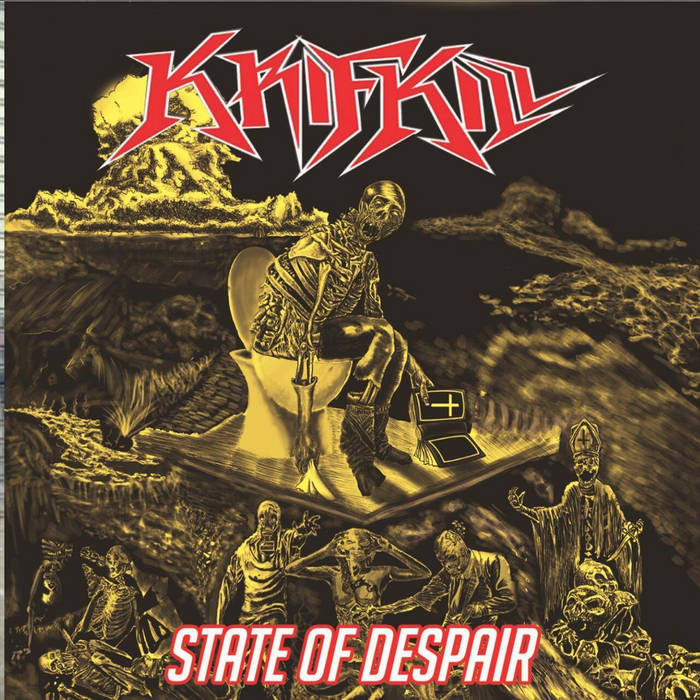
Acts like Krifkill demonstrate how thrash metal's egalitarian ethos translates into practical band management approaches that distribute creative and business responsibilities among all members. This model prevents the creative bottlenecks and interpersonal conflicts that frequently destroy bands operating under traditional hierarchical structures.
The success of democratic band operations in South American thrash scenes provides blueprints for international acts seeking more sustainable collaborative approaches. As the global metal industry recognizes the limitations of traditional band leadership models, the proven alternatives developed within South American metal networks offer valuable organizational innovations.
These operational innovations extend beyond band management to encompass venue cooperation, equipment sharing, and collective promotion strategies that maximize limited resources while maintaining artistic independence. Such approaches create resilient music scenes capable of sustaining diverse artistic visions without requiring massive financial investment or corporate oversight.

The professionalization trends visible in international metal validate the systematic approaches to career development and community building that have sustained South American metal through decades of economic uncertainty and geographic isolation. As global metal embraces transparency, collaboration, and multimedia innovation, the pioneering work of South American scenes provides proven frameworks for sustainable artistic development.