Stoner Metal's Experimental Innovation and Classic Metal's Anniversary Circuits Create New Genre Fusion Opportunities for South America's Heavy Underground
The global metal scene's current fascination with genre-blending experimentation and nostalgia-driven anniversary tours signals a profound shift in how heavy music approaches both innovation and tradition. Recent developments reveal how established acts are simultaneously embracing unexpected sonic territories while mining their classic catalogs for commercial viability, creating unprecedented opportunities for South America's diverse heavy metal underground to showcase its decades of genre fusion mastery.
Anniversary Economics and Experimental Releases Signal Market Maturation
Poison's contemplation of a 2027 tour to commemorate their 1986 debut "Look What the Cat Dragged In" represents more than mere nostalgia capitalism. The 41-year anniversary timing suggests how veteran acts are recalibrating traditional milestone marketing, moving beyond predictable 25th and 30th anniversary cycles toward more creative temporal frameworks. This approach mirrors the sophisticated market positioning that South American metal acts have developed through decades of independent operation.
The simultaneous emergence of experimental releases like The Coral's rocksteady-influenced "388" album demonstrates how established artists are exploring genre boundaries previously considered incompatible with their core sound. Recorded on vintage Tascam equipment and drawing inspiration from reggae, Éthiopiques compilations, and 1960s Joe Meek productions, this cross-pollination approach validates the genre fusion strategies that South American acts have been perfecting since the underground's earliest days.
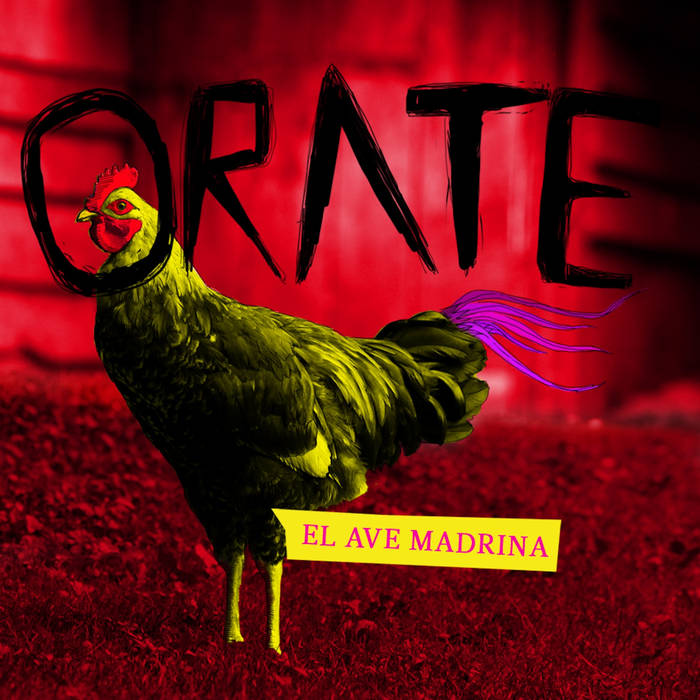
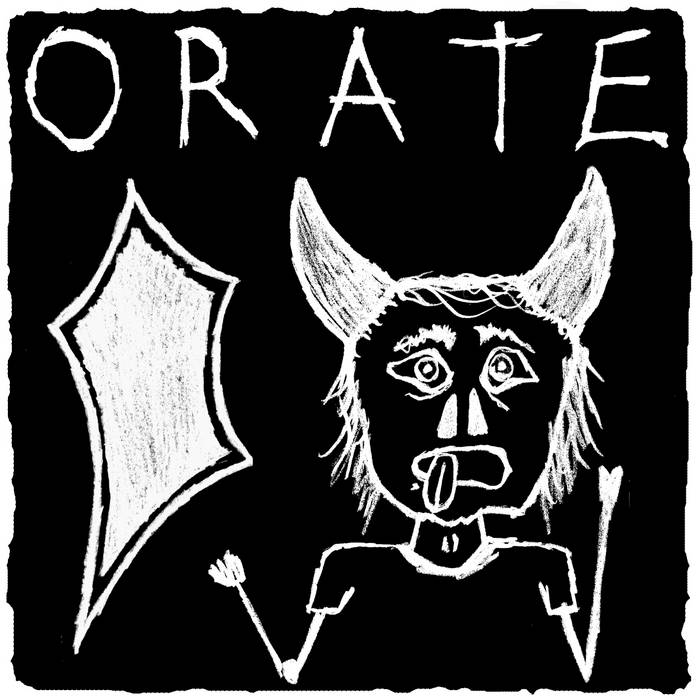
For bands like Orate, whose sound encompasses doom metal, grunge, sludge metal, and stoner metal elements, these international trends toward genre experimentation create new pathways for recognition. The Chilean act's multi-genre approach, once considered uncommercial, now aligns with global metal's increasing appreciation for sonic boundary-crossing.
DIY Documentation and Authentic Storytelling
The music industry's growing emphasis on authentic documentation and storytelling creates significant advantages for South America's metal underground, which has been perfecting these approaches through necessity. NOFX's "40 Years of Fuckin' Up" soundtrack, featuring rare and previously unreleased tracks alongside new material, exemplifies how veteran punk and metal acts are leveraging archival content to maintain cultural relevance while satisfying collector demand.
This documentary approach to band history resonates strongly with South American metal culture, where bands have long maintained detailed archives of their underground activities. Regional acts have been documenting their evolution through demo recordings, live bootlegs, and collaborative releases for decades, developing the kind of comprehensive historical narratives that international acts are now recognizing as valuable intellectual property.
The revelation of previously uncredited Mastodon guitarist Brent Hinds guitar solos highlights how even established acts possess hidden creative contributions that surface years after their creation. This phenomenon mirrors the South American underground's deep archive of uncredited collaborations and cross-pollination between regional scenes, suggesting that the continent's metal history contains numerous undocumented innovations waiting for proper recognition.
Technical Precision and Post-Hardcore Evolution
Quicksand's upcoming "Bring On The Psychics" album through Equal Vision Records demonstrates how post-hardcore veterans are embracing sophisticated production values while maintaining their core aesthetic integrity. The New York trio's evolution from 1990s underground pioneers to contemporary scene leaders provides a template for how South American extreme metal acts can leverage their technical mastery for broader recognition.
This trajectory particularly benefits acts working within South America's thrash metal revival, where bands have spent decades perfecting the technical precision and compositional complexity that international audiences are rediscovering. The region's thrash acts possess the kind of instrumental virtuosity and songwriting sophistication that the global metal scene increasingly values, but often lack the promotional infrastructure to reach international audiences.
The emphasis on visual storytelling evident in Quicksand's "Crystallize" music video also highlights how contemporary metal success requires multimedia competence. South American acts have been developing these visual skills through necessity, creating compelling content with limited budgets while international acts invest heavily in professional video production. This experience with resource constraints often produces more innovative and memorable visual concepts.
Collector Culture and Physical Media Renaissance
The continued vitality of metal collector culture, exemplified by the Danish fan's 10,000-item Iron Maiden collection, validates the physical media strategies that South American metal has never abandoned. While international markets underwent digital disruption, regional metal scenes maintained their commitment to vinyl, cassette, and CD production, developing the kind of collector relationships that now drive significant revenue for metal acts worldwide.
This collector dedication creates particular advantages for South American doom and sludge metal acts, whose aesthetic naturally aligns with physical media presentation. Bands working within these genres have perfected the kind of comprehensive package design—artwork, lyric sheets, liner notes—that serious collectors demand, often surpassing the presentation quality of major label releases through attention to detail and artistic cohesion.
The international scene's growing appreciation for limited edition releases and unique packaging approaches validates the artisanal production methods that South American metal has refined through decades of small-batch manufacturing. Regional pressing plants and design studios have developed the flexibility and quality control necessary to produce the kind of special editions that drive collector excitement while maintaining reasonable production costs.
Tribute Culture and Musical Legacy
Steve Brown's Always Jovi tribute band project illustrates how established musicians are exploring their influences through dedicated cover projects, creating new performance opportunities while celebrating foundational acts. This tribute culture provides interesting possibilities for South American metal musicians, who often possess comprehensive knowledge of international metal history combined with technical skills that rival or exceed the original performers.
The tribute band phenomenon also suggests how South American acts might leverage their mastery of classic metal styles for international recognition. Regional musicians have been perfecting their interpretations of foundational heavy metal, thrash, and death metal for decades, developing the kind of authentic reverence and technical precision that tribute audiences demand.
Side projects like Billie Joe Armstrong's Pinhead Gunpowder also demonstrate how established musicians use alternative outlets to explore different creative directions without compromising their primary band's identity. This approach offers valuable strategies for South American metal musicians who often work across multiple genres and collaborative projects, suggesting how they might structure their various musical activities for maximum creative and commercial impact.
Future Opportunities in Genre Evolution
These international developments collectively suggest that metal's future belongs to acts capable of combining technical mastery, authentic storytelling, and genre experimentation—exactly the skill set that South America's metal underground has been developing through decades of independent innovation. The region's best metal bands possess the musical sophistication, historical knowledge, and creative flexibility necessary to capitalize on these emerging opportunities.
The challenge lies in connecting this underground excellence with the promotional infrastructure necessary for international recognition. As global metal continues evolving toward more experimental and historically conscious approaches, South American acts that can effectively document and present their innovations stand positioned to influence the genre's next developmental phase. The foundation exists; the question remains how effectively the region's metal community can leverage these global trends for breakthrough success.