Physical Media Renaissance and Latin American Metal Tours Signal Underground Distribution Victory as South American Death Metal Scene Validates Collector Culture
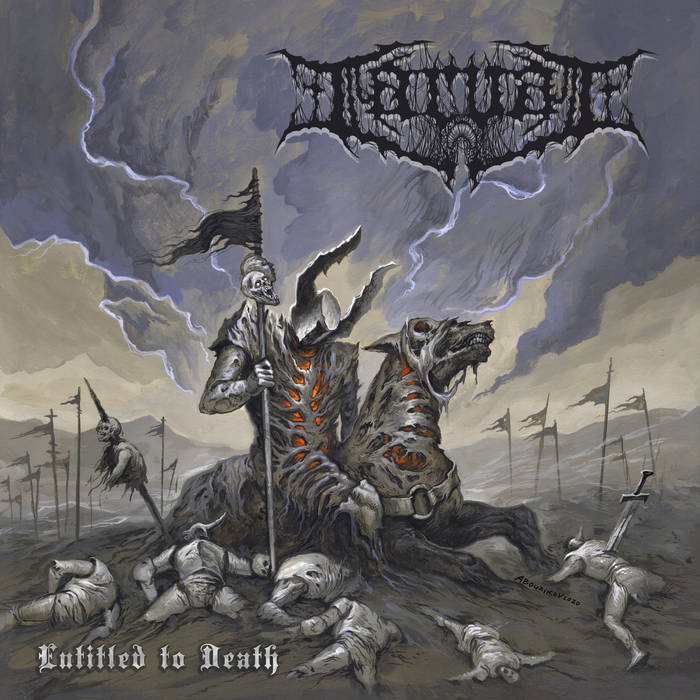
The metal world's renewed emphasis on physical releases and Latin American touring announcements validates decades of underground distribution wisdom that South American metal scenes have preserved through streaming's digital dominance. Recent developments reveal how collector-focused strategies and regional touring commitments create sustainable alternatives to platform-dependent revenue models.
Polish Extreme Metal's Physical Media Mastery Sets Global Standard
The announcement of special physical format releases demonstrates how established extreme metal acts leverage collector demand for sustainable revenue streams. Limited edition box sets and multiple format releases represent sophisticated understanding of metal's physical media culture—an approach that South American underground labels have maintained throughout streaming's rise.
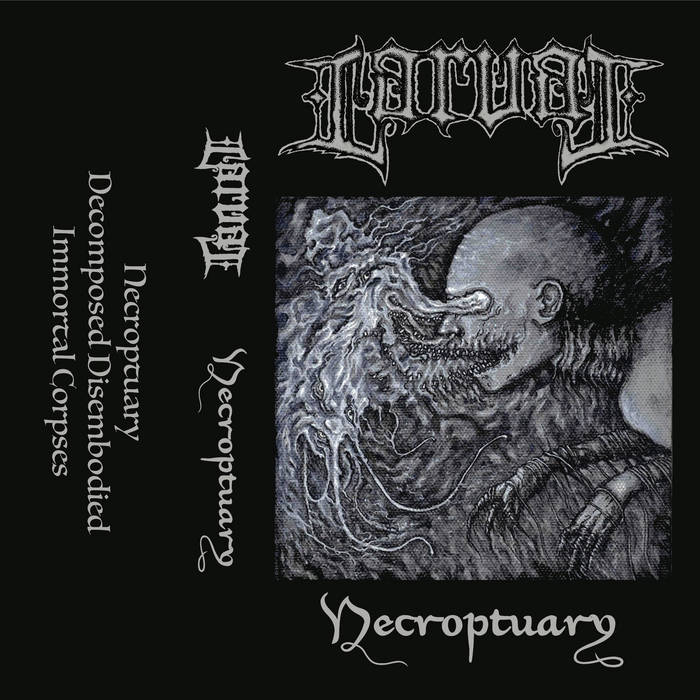
This collector-focused strategy validates the distribution methods that regional death metal acts like Larvae and Nastik have perfected through decades of independent releases. While international acts rediscover physical media's value, South America's death metal underground never abandoned these proven revenue models.
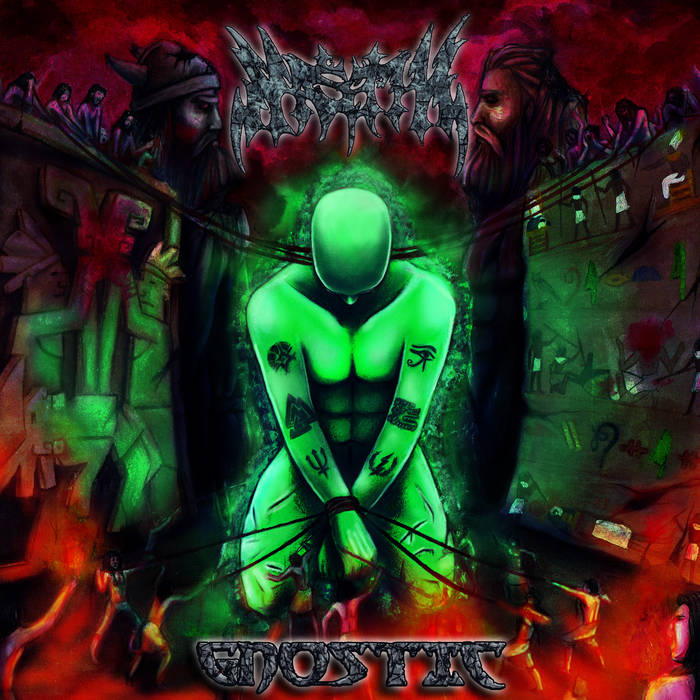
The emphasis on special packaging and limited availability creates artificial scarcity that drives collector engagement—precisely the strategy that makes underground metal economically viable in regions where streaming revenue remains minimal. South American death metal bands understand that dedicated fans will invest in premium physical releases when the presentation matches the music's intensity.
Latin American Touring Commitments Reveal Market Sophistication
The confirmation of established death metal vocalists covering for health-affected bandmates on Latin American tours signals unprecedented respect for regional market commitments. This professional approach contrasts sharply with casual tour cancellations that have plagued South American metal fans for decades.
Professional substitution arrangements demonstrate how international death metal recognizes Latin America's market value and fan dedication. The region's passionate death metal audience deserves the same commitment-level that North American and European markets receive, and these touring arrangements suggest evolving industry respect for South American metal communities.
This touring professionalism creates opportunities for regional death metal acts to demonstrate their capabilities as support bands and festival performers. South American death metal bands possess the technical skills and stage presence to complement international tours, offering mutually beneficial collaboration possibilities.

Creative Evolution Versus Repetition Debates Shape Metal's Artistic Direction
Recent statements about artistic evolution versus repeating successful formulas highlight metal's ongoing creative tensions. The dismissal of repetitive album cycles reflects broader debates about innovation versus fan expectations that directly impact how South American metal bands approach career development.
This evolution-focused philosophy aligns with South America's experimental metal traditions, where bands consistently incorporate regional musical elements and unconventional instrumentation. Local acts like Tregul exemplify this evolutionary approach, blending atmospheric doom with post-metal innovation that avoids formulaic repetition.
The emphasis on artistic growth over commercial predictability validates underground metal's creative risk-taking. South American bands often lack major label pressure for commercially safe material, creating freedom for the experimental approaches that international metal increasingly values.
Deathwish Signings and Independent Label Renaissance
Independent label signings for aggressive new material demonstrate how specialized imprints provide alternatives to major label conformity. These partnerships offer sustainable career paths that prioritize artistic integrity over mainstream commercial appeal—exactly the model that South American metal needs for international breakthrough.
The combination of "punishing" and "beautiful" musical elements in newly signed releases reflects metal's increasing comfort with dynamic contrasts and emotional complexity. This sophisticated approach to heaviness aligns with South American metal's tendency toward atmospheric depth and technical complexity.
Independent label support creates distribution networks that can properly present South American metal to international audiences. The region's best death metal bands deserve label partnerships that understand their artistic vision and market positioning rather than forcing commercial compromises.
Historical Recognition and Metal's Cultural Legitimacy
Official recognition for metal's cultural contributions signals the genre's growing institutional acceptance and historical preservation. These acknowledgments validate metal's artistic significance and cultural impact, providing legitimacy that benefits emerging scenes worldwide.
South American metal deserves similar institutional recognition for its decades of innovation and cultural contribution. The region has produced influential bands across every metal subgenre while maintaining distinctive regional characteristics that enrich global metal culture.
Cultural legitimacy creates opportunities for festival support, venue access, and media coverage that can elevate regional metal scenes. South American cities possess the cultural infrastructure to celebrate their metal heritage through proper documentation and institutional support.
Colombian Musical Innovation and Regional Recognition
The announcement of new material from Colombian artists demonstrates the region's growing international recognition and creative output. This visibility creates momentum for broader South American musical recognition that extends beyond traditional metal boundaries into experimental and fusion territories.
Colombian artists' success in securing international release deals provides templates for metal bands throughout South America. The combination of regional musical elements with contemporary production creates distinctive sounds that international audiences increasingly appreciate.
This cultural expansion creates space for metal bands to incorporate regional influences without compromising their heavy music credentials. South American metal's strength lies in its ability to maintain extreme metal's intensity while adding unique cultural perspectives.
Underground Distribution Networks Validate Collector Economics
The success of physical media releases and independent label partnerships validates the distribution methods that South American metal has refined through necessity. Regional bands understand that dedicated fan bases will support premium releases when the quality matches their musical investment.
These proven strategies offer sustainable alternatives to streaming-dependent revenue models that provide minimal compensation for underground artists. South American metal bands can leverage their physical media expertise for international market expansion through specialized distributors and collector-focused labels.
The combination of technical musical excellence and sophisticated distribution understanding positions South American death metal for significant international breakthrough. Regional bands possess both the artistic capabilities and business knowledge necessary for sustainable career development in global markets.
Current industry developments favor exactly the approaches that South American metal has perfected through decades of independent operation. The region's death metal underground stands ready to capitalize on these opportunities for unprecedented international recognition and commercial success.
Bands looking to connect with South America's thriving metal community can explore upcoming shows or submit your band to join this dynamic regional scene that continues setting global standards for metal authenticity and innovation.