Legacy Band Replacement Ethics and Veteran Health Realities Force Metal Scene Maturation as South American Underground Demonstrates Respectful Succession Protocols
The metal world continues grappling with fundamental questions about legacy, succession, and aging performers as disturbing reports emerge about opportunistic musicians attempting to capitalize on tragedy. Rush bassist Geddy Lee recently revealed that multiple drummers contacted him and guitarist Alex Lifeson immediately following Neil Peart's death, seeking to replace the legendary percussionist. Lee described these approaches as "most distasteful," highlighting a troubling trend of musicians treating band tragedies as career opportunities rather than moments requiring respect and reflection.
This revelation coincides with Static-X's cancellation of their entire 2026 touring schedule due to undisclosed serious medical issues affecting band members. The group's frank acknowledgment that they're "just a bunch of old men with parts that need fixing" represents a refreshingly honest assessment of the physical realities facing veteran metal acts, contrasting sharply with the opportunistic behavior Lee described.
The Ethics of Musical Legacy and Replacement
Lee's revelation about post-Peart opportunism exposes deeper issues within metal's professional networks. The immediate aftermath of a legendary musician's death should represent a period of mourning and reflection, not networking opportunities. These approaches demonstrate a fundamental misunderstanding of what made Rush significant – the irreplaceable chemistry between three specific individuals over five decades.
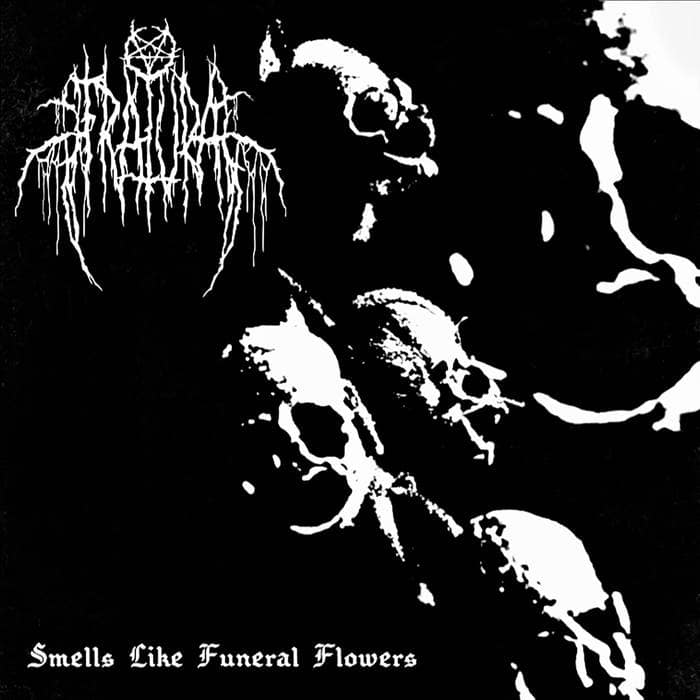
The contrast becomes even more stark when examining how Fratura and other South American black metal acts have handled lineup changes throughout their careers. The regional metal underground has developed sophisticated protocols for respectful transitions, emphasizing musical continuity over individual opportunism. When lineup changes occur, they emerge from organic musical relationships rather than calculated career moves.
This approach extends throughout the South American metal scene, where Melencolia 1 and similar progressive acts have demonstrated how atmospheric and doom elements can evolve through collaborative processes rather than replacement dynamics. Their approach prioritizes musical integrity over commercial continuity, offering a template that international metal scenes desperately need.
Health Realities and Sustainable Career Models
Static-X's medical-related cancellations highlight another crucial issue facing metal's aging population. Their honest acknowledgment of physical limitations stands in refreshing contrast to the denial often characterizing veteran band announcements. The industrial metal pioneers' frank assessment reflects broader demographic realities affecting many bands from metal's formative decades.
Meanwhile, Fear Factory's Dino Cazares promises their upcoming Nuclear Blast release will deliver "new, brutal, heavy, melodic" material despite the band's own veteran status. This determination to maintain creative intensity while acknowledging physical realities represents a more sustainable approach than Static-X's cancelled commitments, though both responses demonstrate honest assessments of current capabilities.
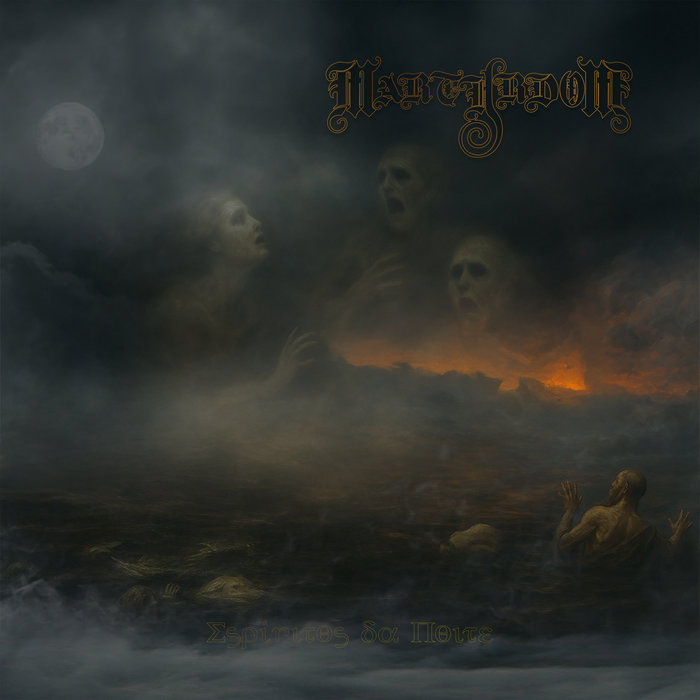
South American metal acts have pioneered sustainable career approaches that account for physical and economic realities without compromising artistic integrity. Bands like Martyrdom have maintained death and doom metal intensity across decades while developing tour schedules that prioritize longevity over immediate commercial returns. Their approach emphasizes strategic performance planning rather than exhaustive touring cycles.
Creative Continuity vs. Commercial Exploitation
The disconnect between respectful artistic succession and opportunistic replacement seeking reflects broader tensions within metal's commercial ecosystem. Devin Townsend's continued creative output with releases like "Prepare For War" and "The Big Snit" demonstrates how individual artists can maintain relevance through consistent innovation rather than relying on legacy associations or replacement strategies.
Townsend's rock opera development exemplifies sustainable creative approaches that don't depend on exploiting others' tragedies or denying physical limitations. His methodology offers templates for long-term artistic development that South American progressive acts have been implementing for decades.
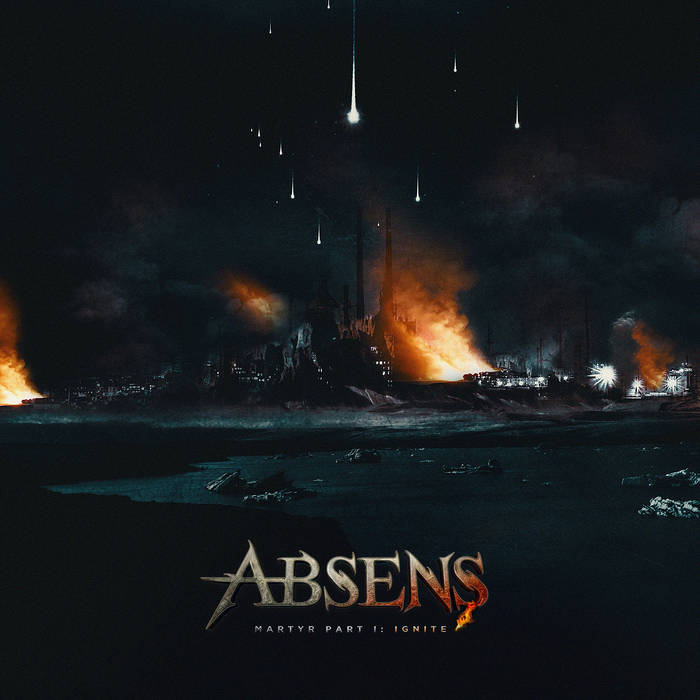
Absens and similar progressive metal bands throughout Brazil have demonstrated how technical complexity can evolve through sustained creative development rather than dramatic personnel changes. Their catalog development prioritizes musical growth over commercial milestones, resulting in deeper artistic statements than replacement-dependent projects.
Underground Networks and Professional Ethics
The South American metal underground has developed sophisticated networks for supporting aging musicians and facilitating respectful transitions when necessary. These systems prioritize community support over individual advancement, creating sustainable environments for long-term creative development.
Regional death metal acts like Coveiros have navigated multiple stylistic transitions from hardcore origins through death metal evolution while maintaining core ethical principles. Their approach demonstrates how bands can evolve dramatically without compromising fundamental values or exploiting tragic circumstances.

This network approach extends to venue relationships, recording partnerships, and fan community development. When lineup changes become necessary, they emerge through established relationships rather than opportunistic outreach following tragedies. The result creates more stable creative environments that support sustained artistic development.
International Implications and Regional Leadership
The contrast between opportunistic replacement seeking and honest health assessments highlights why South American metal approaches deserve international attention. Regional acts have developed frameworks for addressing both succession planning and aging performer realities without compromising artistic integrity or exploiting tragic circumstances.
These approaches become increasingly relevant as metal's foundational generations face health challenges similar to Static-X's medical issues. The genre needs sustainable models for supporting aging performers while maintaining creative vitality, areas where South American underground networks have decades of successful experience.
The regional scene's emphasis on collective support over individual advancement offers templates for addressing metal's growing maturation challenges. Rather than viewing aging or health issues as career-ending crises, South American metal communities have developed systems for adapting performance schedules, recording approaches, and creative collaborations to accommodate changing physical realities.
Future Implications for Metal Career Development
Lee's revelations about post-tragedy opportunism and Static-X's honest health assessments signal crucial inflection points for metal career development. The genre must choose between exploitation-based advancement and community-supported sustainability models that South American underground networks have perfected.
The stakes extend beyond individual careers to encompass metal's long-term cultural health. Communities that prioritize opportunistic advancement over respectful succession create environments where tragedy becomes commercialized rather than properly mourned. South American metal's emphasis on organic development and mutual support offers proven alternatives.
As metal's demographic realities continue evolving, the genre needs frameworks for supporting aging performers while maintaining creative innovation. South American metal communities have developed these systems through decades of independent development, creating templates that international scenes desperately need. The choice between exploitative opportunism and respectful community support will determine metal's cultural trajectory for decades to come.