Recording Logistics Crisis and Label Consolidation Drive South American Metal's Independent Studio Revolution
The international metal industry's mounting logistical nightmares and label relationship complexities are inadvertently creating massive opportunities for South America's sophisticated independent recording infrastructure. As major acts struggle with tour cancellations, recording delays, and distribution challenges, the continent's metal scene continues demonstrating why sustainable, community-driven approaches to music production consistently outperform corporate-dependent models.
Cancelled Tours Expose International Industry Vulnerabilities
Drowning Pool's recent cancellation of their South American tour serves as a perfect case study in how international metal acts consistently underestimate the logistical sophistication required for successful regional touring. The band's explanations about "red tape" and timing issues reveal a fundamental disconnect between North American metal industry expectations and South American market realities.
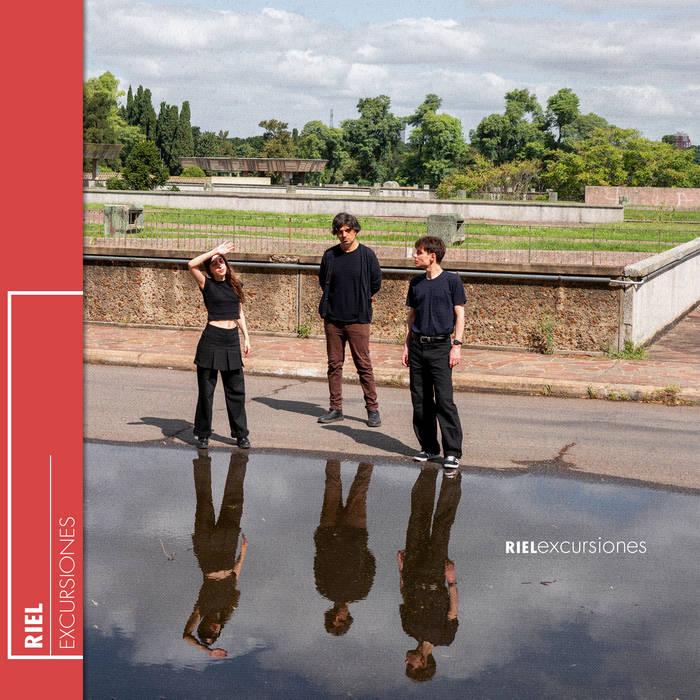
What these cancellations consistently overlook is the continent's incredibly developed underground metal infrastructure. Riel's heavy metal and thrash approach has benefited from this regional network, while In the Shadows continues building their death metal and doom presence through community-supported touring circuits that international acts struggle to access or understand.
The economic realities behind these tour cancellations aren't just about logistics – they're about an industry model that prioritizes quick market penetration over sustainable relationship building. South American metal fans have witnessed decades of last-minute cancellations from international acts who view the continent as a secondary market rather than recognizing its role as one of the world's most sophisticated metal communities.
Recording Industry Consolidation Creates Independent Opportunities
Darkest Hour's recent re-signing with MNRK Heavy highlights the ongoing consolidation within metal's recording industry, where fewer labels control larger market segments. This consolidation creates significant opportunities for South America's independent recording infrastructure, which has spent decades perfecting sustainable, artist-friendly production models.
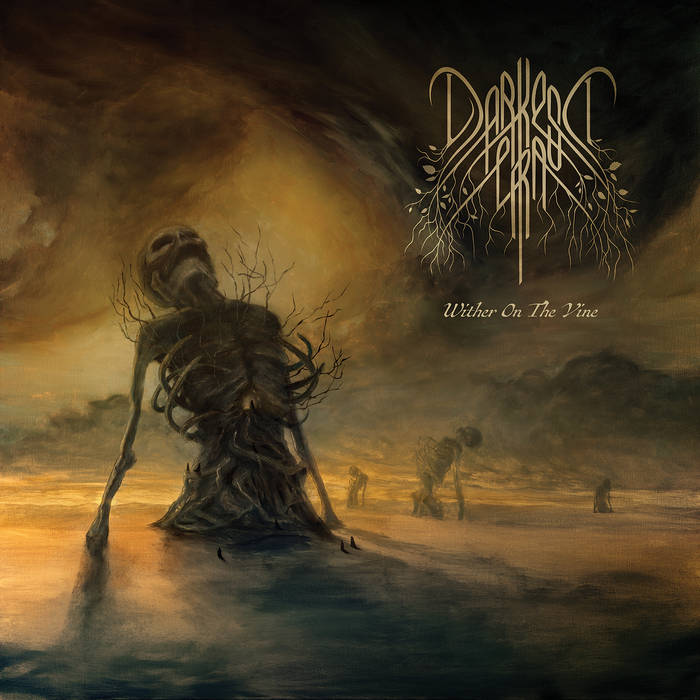
The continent's death metal and thrash scenes, exemplified by acts like Darkest, have developed recording approaches that prioritize artistic authenticity over commercial considerations. While international acts navigate increasingly complex label relationships, South American metal musicians maintain creative control through regional studio networks that understand both technical excellence and economic sustainability.
This independent approach extends beyond mere recording logistics. South American metal's best heavy metal songs have emerged from studios that function as community hubs rather than corporate facilities, creating environments where artistic experimentation thrives alongside technical precision. The result is a recording culture that produces work capable of standing alongside the best metal albums of all time while maintaining economic models that actually support musicians.

New Band Formation Trends Signal Genre Evolution
The formation of projects like Gabi & The Fly, featuring established musicians exploring new creative territories, reflects broader trends in metal band formation that South American musicians have been pioneering for years. The continent's collaborative approach to band development creates natural environments for these kinds of cross-pollinated projects.
South American metal scene dynamics have always favored artistic evolution over rigid genre boundaries. Musicians regularly participate in multiple projects, creating networks of creative exchange that keep the regional scene vital and innovative. This collaborative spirit has produced some of the new metal bands 2026 should watch, though many remain focused on regional development rather than international breakthrough attempts.
The continent's approach to band formation emphasizes long-term artistic development over quick commercial success, creating sustainable career models that international acts increasingly need to understand. Where North American and European metal scenes often push musicians toward rapid commercial exploitation, South American communities support extended creative development periods that result in more authentic and lasting artistic statements.
Label Relationships and Distribution Strategy Evolution
Major label relationships, like Darkest Hour's deal with MNRK Heavy, represent traditional approaches to metal distribution that South American acts have learned to navigate selectively. The continent's metal bands touring 2026 will likely continue emphasizing regional circuit development over international label-dependent strategies, having witnessed too many promising acts get lost in complex corporate structures.
Independent distribution networks throughout South America have created alternatives to traditional label relationships that maintain artistic integrity while building genuine fan bases. These networks understand both the technical demands of modern metal production and the economic realities facing working musicians, creating support systems that major labels struggle to replicate.
The regional approach to distribution also emphasizes community building over market penetration metrics, creating more sustainable career foundations for metal musicians. While international acts chase streaming numbers and social media engagement, South American metal communities focus on live performance excellence and authentic fan relationships that create lasting career sustainability.
Technical Innovation and Production Excellence
South America's metal recording infrastructure has achieved technical standards that rival any international facility while maintaining cost structures that actually support musician development. Studios throughout the continent have invested in both cutting-edge recording technology and the acoustic expertise necessary for capturing the complexity of modern extreme metal.
This technical excellence extends beyond mere equipment acquisition. South American metal producers have developed specialized expertise in death metal, black metal, and thrash production that creates distinctive regional sounds while meeting international technical standards. The result is recording quality that supports rather than constrains artistic vision.
The continent's approach to production also emphasizes education and skill development, creating environments where musicians can develop both their artistic vision and technical capabilities. This educational component ensures that South American metal continues evolving while maintaining the authentic foundations that make the regional scene distinctive.
Market Development and Audience Building
While international acts struggle with South American touring logistics, regional metal acts continue demonstrating superior understanding of local market dynamics and audience development strategies. The continent's metal fans represent one of the world's most knowledgeable and supportive communities, but accessing this audience requires genuine commitment rather than superficial market penetration attempts.
South American metal audiences have developed sophisticated expectations for both live performance and recorded material, creating natural quality filters that reward authentic artistry while exposing commercial calculation. This audience sophistication has created an environment where the best metal bands thrive while casual or opportunistic projects quickly fade.
The regional approach to audience building also emphasizes community integration over fan extraction, creating sustainable relationships that support long-term career development. Musicians who understand these dynamics can build careers that provide both artistic fulfillment and economic stability, models that international metal increasingly needs to study and adopt.
As international metal continues struggling with logistical complexity and corporate consolidation, South America's independent infrastructure offers proven alternatives that prioritize artistic authenticity and community sustainability. The continent's metal scene stands ready to demonstrate these approaches to any international acts willing to engage authentically rather than treating the region as a secondary market. For South American metal musicians, these industry challenges create opportunities to lead by example while continuing to develop the world's most sophisticated underground metal community.