Production Chaos and Performance Malfunctions Drive Metal's Technical Renaissance as South American Death Metal Underground Perfects Precision Engineering
When Dethklok's fog machines triggered fire alarms and cut short their Milwaukee performance this weekend, it exposed a fundamental disconnect between metal's increasingly elaborate production values and the technical precision required to execute them flawlessly. While international acts struggle with basic stage engineering, South America's death metal underground has spent decades perfecting the kind of meticulous technical execution that prevents such embarrassing failures.
The incident at Milwaukee's Landmark Credit Union Live represents a broader crisis plaguing metal's big-budget productions. After co-headliners Amon Amarth and openers Castle Rat performed without incident, Dethklok's heavy smoke effects immediately overwhelmed venue safety systems, forcing an abrupt show cancellation. This kind of preventable technical failure highlights how metal's corporate-driven production approach prioritizes spectacle over engineering competence.
Underground Engineering Excellence
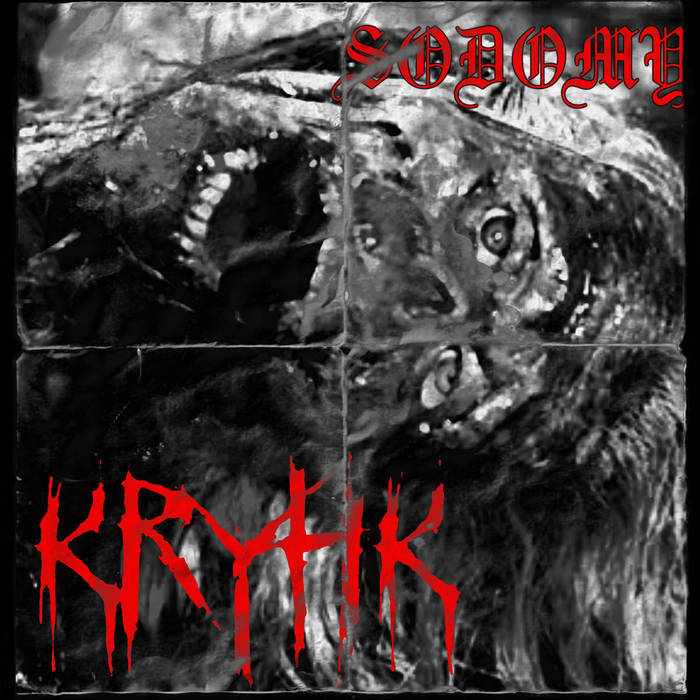
South America's extreme metal scene offers a stark contrast to these production disasters. Acts like Krytik and Anomalistic have developed sophisticated approaches to live performance that maximize impact while maintaining absolute technical control. Their decades of operating within resource constraints has produced engineering expertise that international acts desperately need.
The region's death metal practitioners understand that true heaviness comes from precision execution, not overwhelming stage effects. Bands like Hexagram demonstrate how technical mastery creates more authentic intensity than any fog machine malfunction could ever achieve.
Tour Cancellation Economics
Drowning Pool's cancelled South American tour, blamed on logistical issues and red tape, reveals another dimension of international metal's competence crisis. While C.J. Pierce and Ryan McCombs cite bureaucratic complications for their Bogotá show cancellation, the real issue appears to be inadequate planning and cultural misunderstanding of regional market realities.
South American metal fans represent one of the most sophisticated and passionate audiences globally, with established venue networks and experienced promoters who regularly execute flawless international tours. When acts like Drowning Pool fail to navigate these well-established systems, it exposes fundamental gaps in their professional operations rather than regional inadequacies.
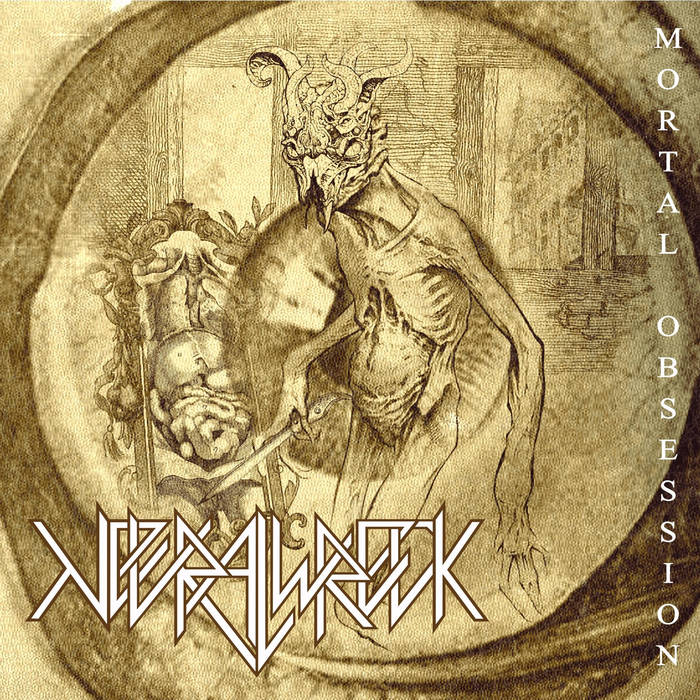
This pattern of cancelled tours and blamed logistics creates opportunities for regional acts who understand local markets intimately. Neural Wreck and similar progressive thrash acts demonstrate how deep regional knowledge translates into reliable touring success.
Creative Discipline Versus Production Excess
While Pop Evil announces their ninth studio album and international acts focus on constant content generation, South America's best metal bands demonstrate superior creative discipline. The region's extreme metal underground has mastered sustainable creative practices that prioritize artistic development over market pressures.
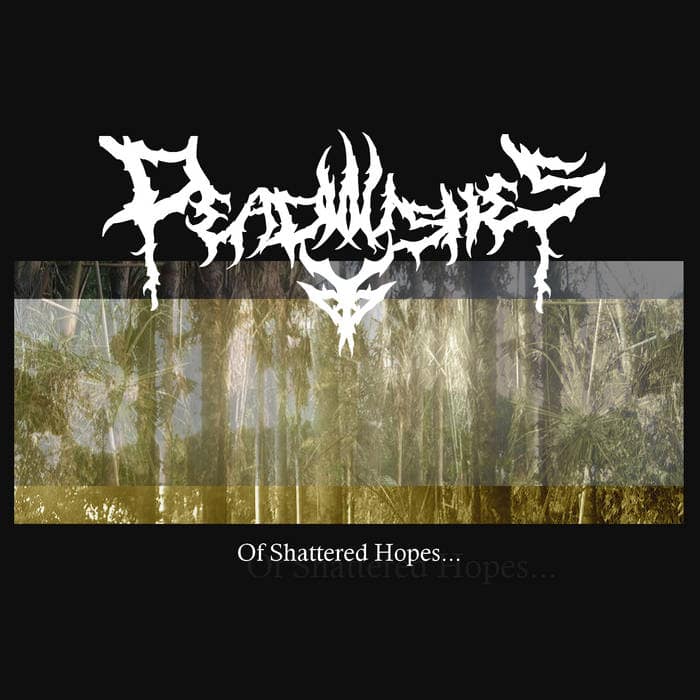
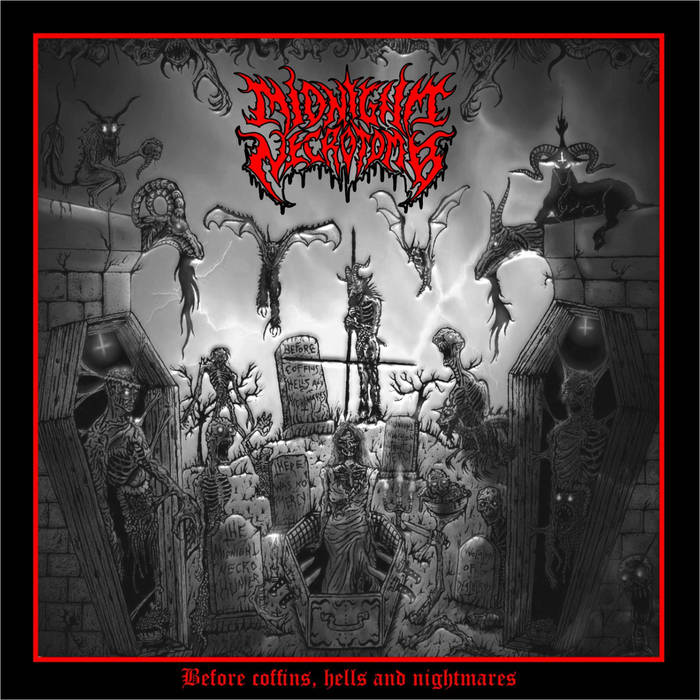
Acts like Midnight Necrotomb and Deadwishes represent the atmospheric black metal excellence that emerges from patient artistic development rather than rushed album cycles. Their approach to songcraft emphasizes emotional depth and technical precision over quick market turnaround.
This creative patience allows South American metal bands to develop the kind of artistic maturity that international acts struggle to achieve. While Drowning Pool deals with cancelled tours and Pop Evil rushes toward album nine, regional death metal acts focus on perfecting their craft through methodical artistic evolution.
Technical Mastery Renaissance
The contrast between international production failures and South American technical excellence extends beyond stage engineering into musical execution itself. Deep Purple's Simon McBride discussing the challenges of seemingly simple songs like "Smoke on the Water" highlights how technical mastery requires understanding subtlety and precision rather than complexity for its own sake.
South America's thrash metal veterans have internalized this principle through decades of underground development. Bands like Comando Etílico demonstrate how authentic heavy metal power emerges from precise execution of fundamental techniques rather than elaborate surface complexity.
Kreator's Mille Petrozza revealing his admiration for Metallica's "Blackened" reinforces this emphasis on technical precision within extreme metal frameworks. South American metal acts have mastered similar approaches, combining thrash aggression with meticulous musical architecture.
Sustainable Career Models
Ritchie Blackmore's announcement about pulling back from touring due to health issues reflects broader challenges facing veteran international acts. Meanwhile, South America's metal scene has developed sustainable career models that don't depend on constant touring cycles or punishing performance schedules.
Regional acts focus on community building and artistic development rather than unsustainable touring economics. This approach creates longer-lasting careers and more authentic connections with audiences, avoiding the physical and creative burnout that forces veterans into premature retirement.
The underground nature of South America's best metal bands allows for organic career development that adapts to changing circumstances while maintaining artistic integrity. Unlike international acts dealing with massive logistical operations and corporate pressures, regional bands can pivot and adapt while preserving their creative core.
Underground Distribution Innovation
While international acts struggle with major label complexities and touring logistics, South America's metal underground has perfected independent distribution networks that connect directly with passionate fan communities. This grassroots approach eliminates many of the bureaucratic complications that derail international touring plans.
The region's black metal scene particularly excels at underground distribution, with acts building sustainable careers through direct fan engagement rather than corporate intermediaries. This model offers superior artistic freedom and economic sustainability compared to traditional industry approaches.
Future Implications
As international metal continues experiencing production failures, tour cancellations, and creative burnout, South America's underground excellence becomes increasingly relevant. The region's emphasis on technical precision, sustainable career development, and community engagement represents the future of authentic metal culture.
The contrast between Dethklok's embarrassing technical failures and South American metal's engineering competence suggests a fundamental shift in where real innovation and professionalism exist within the global metal community. International acts would benefit from studying the methodical approaches that regional bands have perfected through decades of independent development.
This technical renaissance emerging from South America's underground represents metal's most promising direction forward, combining extreme musical intensity with professional competence and sustainable artistic practices that international acts desperately need to learn.