Drowning Pool Cancellation Exposes South American Metal Market Reality as International Touring Economics Reveal Infrastructure Opportunities
The abrupt cancellation of Drowning Pool's seven-date South American tour represents more than just another disappointing headline for metal fans across the continent. When promoters cite "low ticket sales" as the reason for scrapping an international act's regional run, it exposes fundamental realities about how the global metal touring circuit views South American markets—and more importantly, where those assumptions fall short.
The Texas-based metal act's cancelled Colombian kickoff and subsequent regional dates highlight a persistent disconnect between international booking strategies and South American metal consumption patterns. While major booking agencies often approach the region with pricing models and promotional timelines borrowed from North American and European markets, they frequently misunderstand the economic dynamics that drive concert attendance across diverse South American territories.
Market Dynamics Beyond Simple Economics
The failure of Drowning Pool's tour planning reveals broader issues within international metal touring infrastructure. South American metal fans demonstrate consistent passion for live music, but their purchasing behaviors operate on different economic cycles than those found in traditional metal markets. Currency fluctuations, regional economic pressures, and seasonal employment patterns create attendance variables that standard touring models don't accommodate.
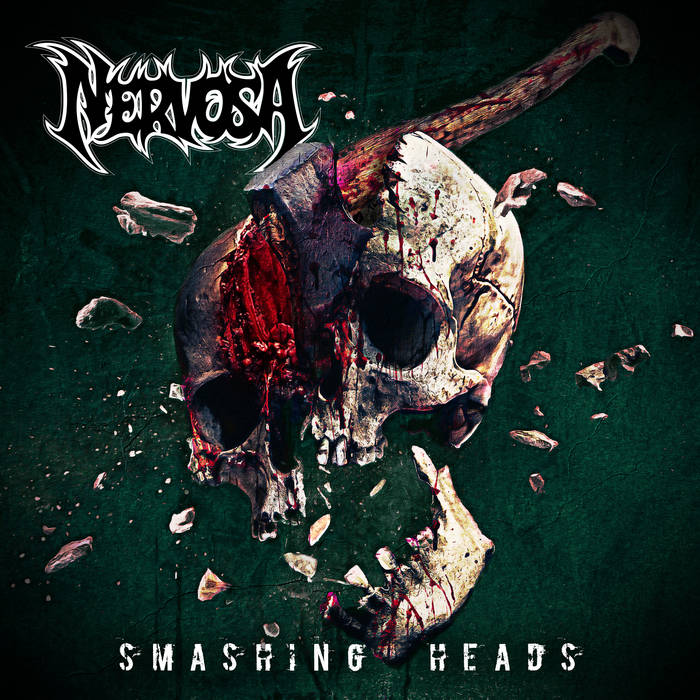
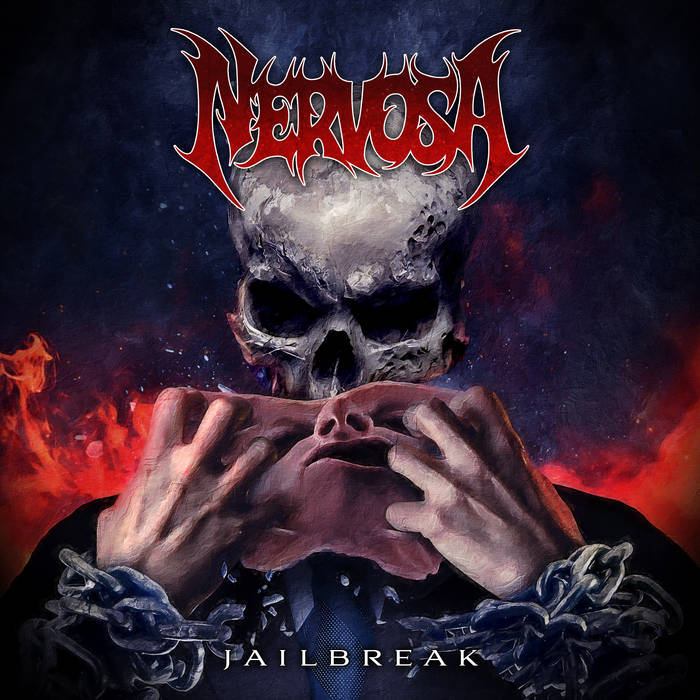
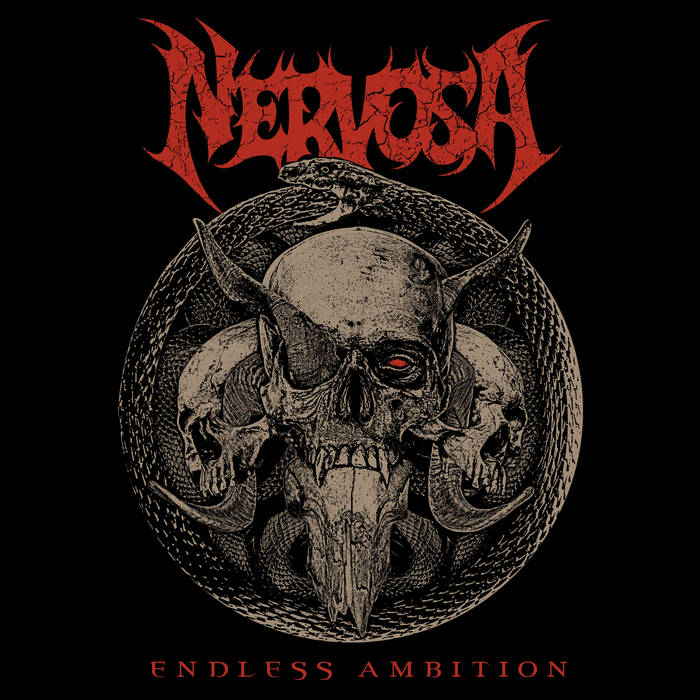
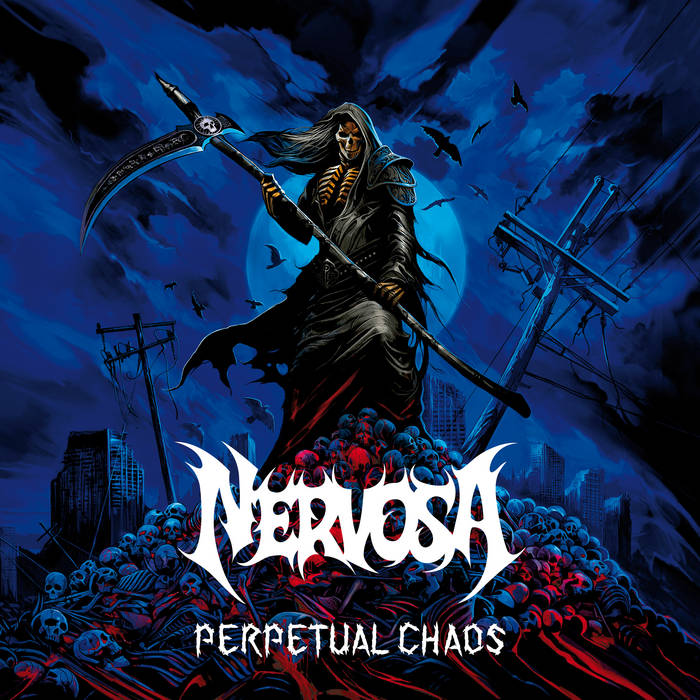
This disconnect becomes particularly evident when considering the continent's robust metal scene development over recent decades. Local acts like Nervosa have demonstrated that South American audiences will pack venues when presented with authentic metal experiences that respect regional economic realities. The key lies in understanding that successful touring requires adaptation rather than imposition of external market assumptions.
International acts that succeed in South American markets typically employ longer promotional cycles, flexible pricing structures, and partnerships with established regional promoters who understand local dynamics. The rushed nature of many international tours suggests booking decisions made without adequate market research or regional consultation.
Underground Excellence vs. International Recognition
While international acts struggle with South American touring economics, the region's metal underground continues developing sophisticated musical approaches that rival any global scene. Extreme metal acts across the continent have mastered technical precision and atmospheric innovation that deserves far broader recognition than current international touring patterns provide.
The contrast becomes stark when comparing cancelled international tours with the consistent success of regional festivals and local venue circuits. Expulser and other established acts demonstrate how decades of underground development create sustainable audience relationships built on mutual understanding rather than imported promotional strategies.
Death metal and thrash scenes throughout Brazil, Chile, Colombia, and Argentina have produced technically masterful acts whose live performances consistently draw devoted audiences. These bands understand their markets intimately, having developed organic relationships with fans over years of consistent regional touring and community engagement.
Festival Circuit Evolution
Recent international festival announcements highlight another dimension of this market reality. While events like RPM Fest and Cement Gardens Festival book established international acts for North American venues, similar investment in South American festival infrastructure remains limited despite clear demand for large-scale metal events.
The success of regional festivals demonstrates that South American metal audiences will support major events when they're properly planned and promoted. However, international festival promoters often overlook the continent's potential, viewing it as a secondary market rather than recognizing the sophisticated metal communities that have developed across the region.
This creates missed opportunities for cultural exchange that could benefit both international acts seeking new audiences and local bands deserving broader exposure. The technical mastery evident in South America's extreme metal scenes could easily hold its own on international festival stages, yet booking patterns rarely reflect this reality.
Independent Infrastructure Advantages
The cancellation of major international tours inadvertently highlights advantages within South American metal's independent infrastructure. Local bands have developed sustainable career models that don't depend on international touring revenue or major label support, creating resilient scenes that continue thriving regardless of external economic pressures.
Bands operating within regional circuits understand their audiences' economic realities and adjust their touring and promotional strategies accordingly. This creates more authentic artist-fan relationships and sustainable revenue streams that support long-term career development rather than depending on unpredictable international opportunities.
The community-based economics that characterize much of South American metal create alternative models for sustainable music careers. Rather than chasing international validation through expensive promotional campaigns and unrealistic touring expectations, local acts build devoted followings through consistent regional presence and authentic musical development.
Opportunities in Market Disconnect
The gap between international touring assumptions and South American market realities creates opportunities for innovative booking approaches. Acts willing to invest time in understanding regional dynamics, developing appropriate promotional timelines, and partnering with knowledgeable local promoters can find receptive audiences throughout the continent.
Successful international metal touring in South America requires recognition that these markets operate on different principles than traditional metal territories. Economic factors, promotional cycles, and cultural contexts demand adapted approaches rather than standardized international strategies.
The technical excellence and passionate fanbases that characterize South American metal scenes represent untapped potential for international acts willing to approach these markets with appropriate respect and understanding. The region's extensive network of skilled musicians, dedicated fans, and established venues provides foundation for successful touring when properly leveraged.
Looking Forward
As international metal continues evolving toward more diverse global representation, the disconnect revealed by cancelled tours like Drowning Pool's highlights necessary changes in how the industry approaches South American markets. Recognition of the continent's sophisticated metal scenes and adaptation of touring strategies to local realities could unlock significant opportunities for both international acts and regional artists.
The strength of South America's underground metal scenes provides evidence that audiences exist for quality heavy music. The challenge lies in developing booking and promotional approaches that bridge the gap between international touring economics and regional market dynamics.
For emerging metal bands across the region, these cancelled international tours serve as reminders that sustainable careers depend more on building strong regional foundations than waiting for external validation. The continent's metal underground has already proven its capacity for creating lasting musical impact through authentic artistic development and community engagement.
The future of metal touring in South America likely depends on increased collaboration between international booking agencies and regional promoters who understand local markets. Until that collaboration develops, the region's exceptional metal scenes will continue thriving independently while international acts miss opportunities to connect with some of the world's most passionate metal audiences.