Anthrax's New Generation Message and AI Resistance Movement Drive Youth Engagement as South American Thrash Veterans Master Educational Legacy Building
The intersection of generational messaging and technological authenticity is reshaping metal's relationship with younger audiences, as evidenced by Anthrax's upcoming track "It's For The Kids" and veteran musicians' resistance to artificial intelligence in creative processes. This cultural shift creates unique opportunities for South America's thrash metal veterans to leverage their decades of underground credibility in educating new generations about authentic metalcraft.
Generational Messaging in Modern Metal
Anthrax's decision to debut a track specifically titled "It's For The Kids" represents more than simple marketing—it signals established thrash pioneers recognizing their role in cultivating metal's future. This generational awareness extends beyond North American scenes, reflecting a global metal community increasingly focused on knowledge transfer and youth engagement.
The timing coincides with broader conversations about authenticity in metal creation, particularly as former Megadeth bassist David Ellefson voices concerns about artificial intelligence's role in music production. His critique that AI "isn't that intelligent and it's artificial" resonates throughout underground metal communities where authentic craftsmanship remains paramount.
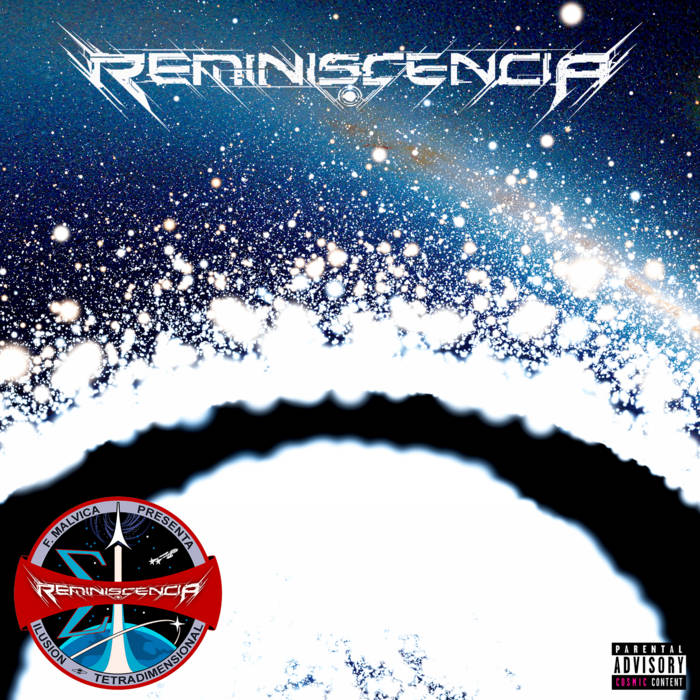
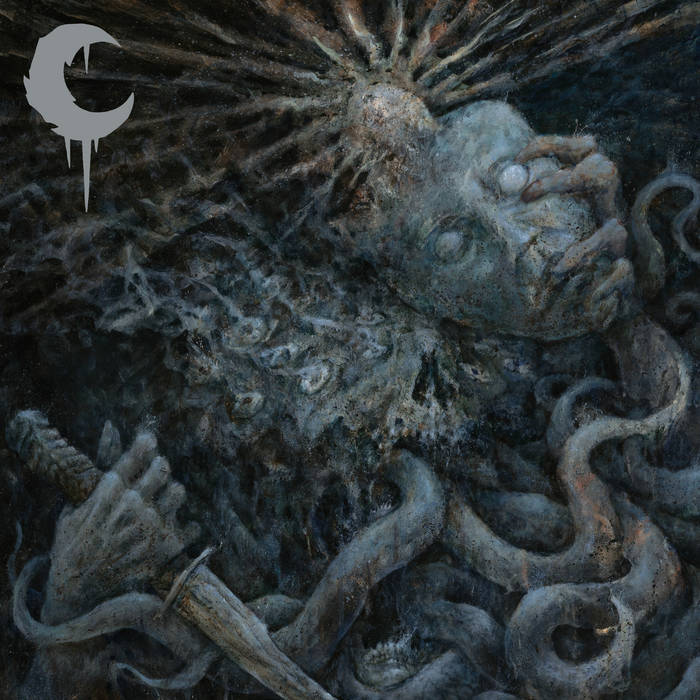
For South America's extensive thrash metal scene, these developments highlight the value of genuine mentorship and educational legacy building that regional veterans have practiced for decades. Bands like Leviaethan and Reminiscencia represent generations of authentic thrash metal development, where technical mastery emerged through community-based learning rather than artificial shortcuts.
The Anti-AI Underground Movement
Resistance to artificial intelligence in metal creation extends beyond philosophical concerns to practical questions about artistic integrity. As established musicians question AI's role in melody generation and composition, underground metal scenes possess natural advantages through their emphasis on live performance skills and authentic instrumentation.
Gene Hoglan's recent observations about thrash metal's influence on subsequent musical movements underscore the genre's foundational importance in developing authentic musical expression. His assertion that "thrash influenced everything that came after it" highlights the genre's role in establishing technical standards that artificial systems cannot replicate.
South American thrash bands have consistently maintained these technical standards through decades of underground development, creating extensive networks of musicians trained in authentic performance techniques. This foundation positions regional acts as natural leaders in the anti-AI authenticity movement, offering proven alternatives to artificial music generation.
Cross-Generational Performance Philosophy
The conversation about authentic engagement extends to live performance experiences, with veterans like Geoff Tate addressing phone usage at concerts and encouraging audiences to "immerse yourself" in live music rather than documenting it digitally. This philosophy aligns with broader concerns about authentic artistic connection in an increasingly digital landscape.
Devin Townsend's unconventional approach to vocal training—focusing on mental preparation rather than technical exercises—demonstrates alternative methods for developing authentic performance skills. His emphasis on "sorting your head out" as vocal exercise reflects the psychological aspects of authentic musical expression that AI systems cannot replicate.
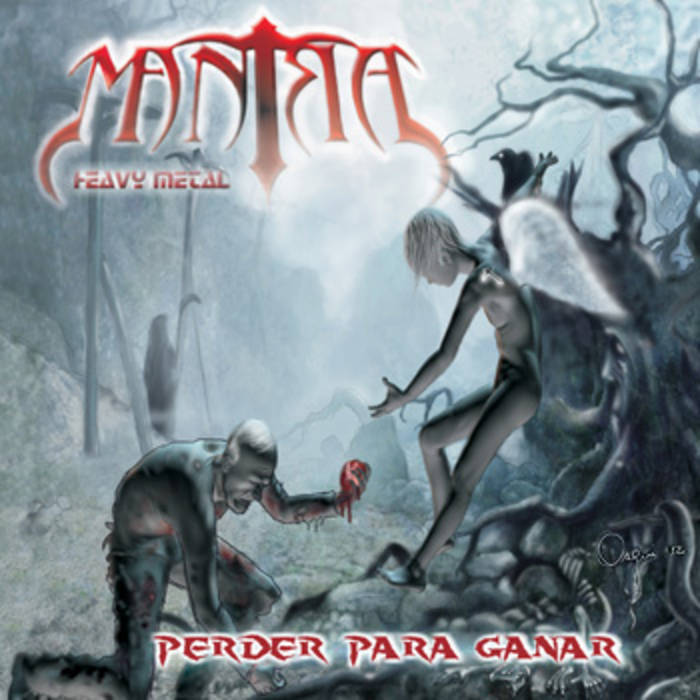
These approaches resonate throughout South America's metal communities, where live performance authenticity has always been central to scene development. Regional bands across genres—from the heavy metal traditions of Mantra Heavy Metal to the crossover expertise of Sangue Inocente—have built reputations through authentic live performance rather than studio manipulation or digital enhancement.
Educational Legacy in Extreme Metal
The emphasis on youth education extends beyond thrash metal into extreme metal territories, where technical complexity requires extensive mentorship and authentic skill development. South America's extreme metal scenes have developed sophisticated educational networks that could serve as models for international metal communities seeking alternatives to artificial music creation.
Technical death metal acts throughout the region have maintained training systems that emphasize authentic instrumental mastery, while black metal communities have preserved traditional atmospheric creation techniques that resist digital shortcuts. These approaches create natural resistance to AI influence while fostering genuine musical development among younger musicians.
The regional emphasis on community-based learning extends across metal subgenres, from the doom metal traditions practiced by bands like Antiklan to the brutal death metal mastery demonstrated by acts such as Excelsis Tenebrae. These educational networks represent decades of authentic skill transfer that provide proven alternatives to artificial music generation.
International Tour Patterns and Regional Opportunities
Current international touring announcements, including major packages like Lamb of God's Australian tour with Trivium, demonstrate the global demand for authentic extreme metal performances. These developments create opportunities for South American bands to expand their educational influence beyond regional boundaries.
The emphasis on authentic live performance in international touring packages aligns with South American metal traditions that prioritize genuine stage presence and technical execution. Regional bands possess natural advantages in meeting these authenticity standards, having developed performance skills through decades of underground venue experience.
Television appearances like Mötley Crüe's collaboration with Carrie Underwood on American Idol, while representing mainstream crossover opportunities, also highlight the contrast between authentic metal performance and commercial presentation. South American metal scenes can leverage their underground credibility to offer genuine alternatives to mainstream metal representation.
Building Sustainable Metal Education
The convergence of generational messaging, AI resistance, and authentic performance standards creates unprecedented opportunities for South America's metal scenes to establish international leadership in authentic metal education. Regional communities possess the infrastructure, experience, and philosophical foundation necessary to guide global metal development away from artificial shortcuts toward genuine musical mastery.
This positioning becomes particularly valuable as international metal communities seek alternatives to digital music creation and artificial performance enhancement. South American metal's emphasis on authentic skill development, community-based learning, and genuine artistic expression offers proven solutions to concerns raised by established musicians about AI's role in metal creation.
The regional metal scene's diversity—spanning from progressive symphonic acts to brutal extreme metal specialists—provides comprehensive educational resources that can serve metal communities worldwide. As international metal prioritizes authentic youth engagement and AI resistance, South America's decades of underground development position regional scenes to lead this cultural shift toward genuine artistic expression.