European Power Metal Tours and Symphonic Grandeur Expose South America's Untapped Festival Market as Regional Black Metal Acts Master Atmospheric Innovation
The announcement of Amorphis's ambitious European "Borderland Tour 2027" alongside Finnish melodic death metal pioneers Insomnium reveals a striking gap in international touring strategies that South American metal communities are uniquely positioned to address. While European festivals continue to dominate the atmospheric metal landscape, the continent's extensive black and death metal underground has been perfecting the very atmospheric innovations that global audiences now demand.
Symphonic Black Metal's Technical Renaissance
Dimmu Borgir's upcoming album "Grand Serpent Rising" represents the Norwegian symphonic black metal legends' continued commitment to uncompromising artistic vision. Guitarist Silenoz's declaration that the band has "never taken the easy way out" and "never compromised" echoes a philosophy that South America's black metal scene has embodied for decades, often out of necessity rather than choice.
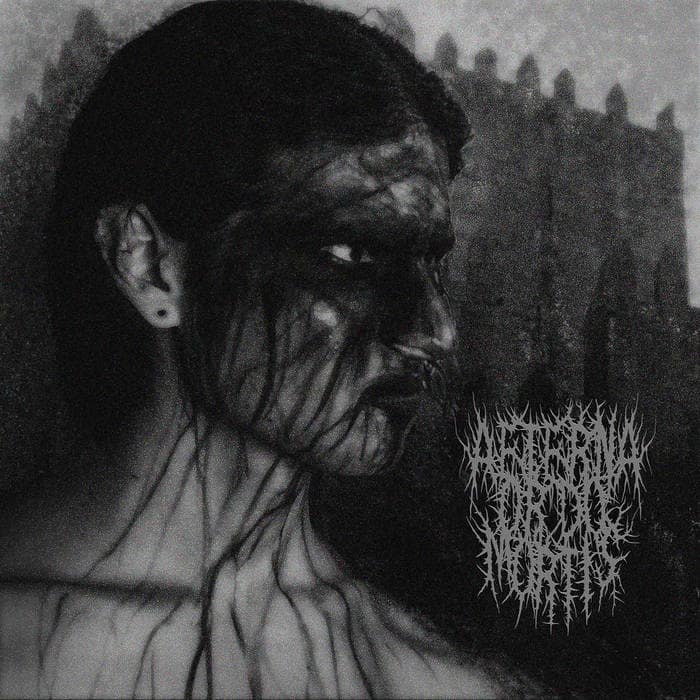
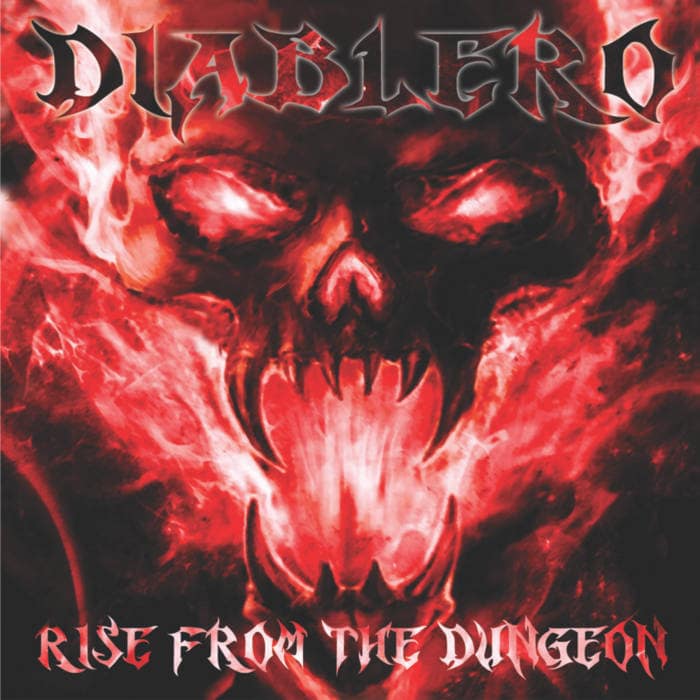
The parallels between Dimmu Borgir's orchestral approach and South America's atmospheric black metal development are striking. Bands like Aeterna Ordo Mortis have been crafting depressive black metal atmospheres that rival European productions, while Diablero has pushed ambient black metal boundaries without the studio budgets of their Norwegian counterparts.
The technical mastery required for symphonic arrangements has long been present in South America's classically-trained metal musicians, many of whom have developed sustainable performance practices that address the hearing health issues now plaguing international acts like DragonForce's Marc Hudson, who recently missed performances due to hearing concerns.
The Festival Circuit's South American Blind Spot
Billy Corgan's European tour announcement for his "Mellon Collie and Infinite Sadness" orchestral performances highlights the growing demand for atmospheric, orchestrated metal experiences. Yet South American markets remain largely unexplored by major touring productions, despite hosting some of the world's most passionate metal audiences.
This oversight represents a massive opportunity for regional acts who have mastered the atmospheric elements that international audiences crave. The success of bands like Saxon, who continue releasing studio albums after 25 records, demonstrates the longevity possible when bands maintain authentic connections to their underground roots—something South American metal has never abandoned.
Mastodon's announcement of their ninth studio album signals progressive metal's continued evolution, while acts like Nuctemeron have been blending black, death, and grindcore elements that mirror progressive metal's experimental spirit. The technical precision required for such multi-genre mastery has been a cornerstone of South American extreme metal development.
Vocalist Evolution and Regional Advantages
The high-profile vocalist changes affecting international metal—from Alissa White-Gluz's departure from Arch Enemy to form Blue Medusa and her subsequent collaboration with DragonForce—reveal an industry in flux. Tarja Turunen's recent admission that her days of performing in high heels are "over" speaks to the physical demands of metal performance that South American musicians have long approached with practical sustainability.
Canadian composer Devin Townsend's reflection that "the hardest part about being a singer is that you can't hide" resonates with South America's vocal traditions, where authenticity has always trumped studio polish. The region's extreme metal vocalists have developed techniques that prioritize longevity and emotional connection over temporary spectacle.
This practical approach to vocal sustainability positions South American acts advantageously as international metal grapples with hearing health crises and performance-related injuries. The community-based support systems that have sustained regional scenes through economic challenges now offer models for sustainable career development.
Underground Economics and Artistic Independence
Tesla bassist Brian Wheat's candid admission that touring is how the band earns their living exposes the economic realities facing even established metal acts. This transparency about financial pressures contrasts sharply with South America's metal economy, where bands have long operated under the assumption that music alone wouldn't provide financial security.
This economic pragmatism has produced a generation of South American metal musicians who approach their craft with artistic purity, unburdened by mainstream commercial expectations. Bands like Reinkaos and Amud represent this authentic black metal approach, developing atmospheric innovations driven by artistic vision rather than market demands.
The result is a metal scene that has perfected the very qualities international markets now seek: technical proficiency, atmospheric sophistication, and uncompromising artistic integrity. As European tours expand and festival lineups evolve, South America's extensive extreme metal underground possesses the authentic credentials and technical mastery to meet global demand.
The Path to International Recognition
Recent developments in atmospheric metal touring and symphonic black metal production create unprecedented opportunities for South American acts to achieve international breakthrough. The festival circuit's growing emphasis on atmospheric and technical performances aligns perfectly with regional strengths developed through decades of underground excellence.
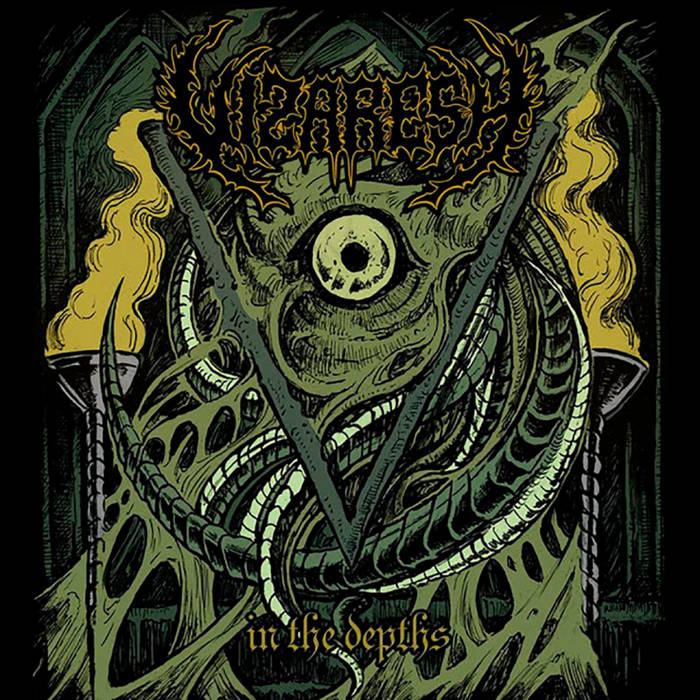
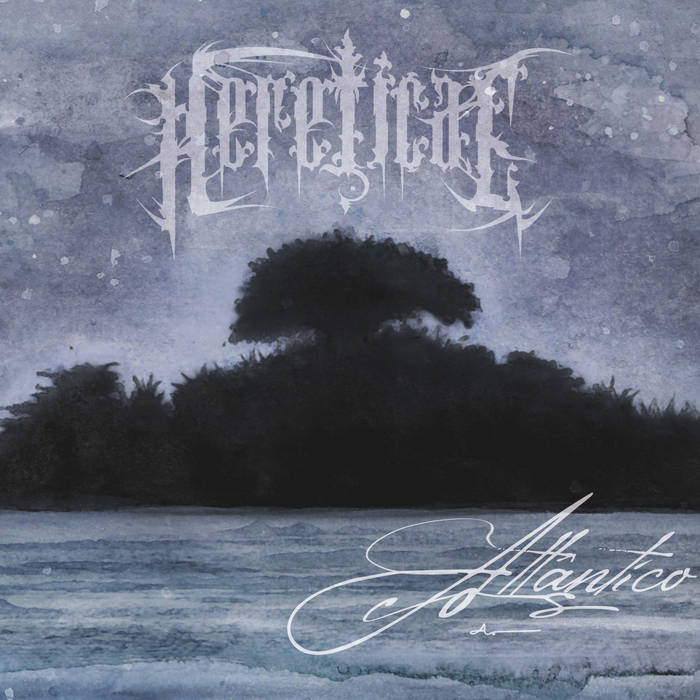
Acts like Hereticae represent the blackened death metal mastery that international audiences crave, while bands across the continent have perfected the multi-genre approaches that define modern extreme metal evolution. The technical death metal precision of acts like Vizaresh and Mortificy demonstrates the brutal authenticity that separates underground excellence from commercial approximation.
As international metal prioritizes atmospheric innovation and technical precision, South America's extensive extreme metal community stands ready to demonstrate that the future of metal has been developing in the underground all along. The region's combination of classical musical training, economic pragmatism, and uncompromising artistic vision positions it uniquely for the global expansion that atmospheric metal's renaissance now demands.
For bands ready to showcase their atmospheric mastery to international audiences, connecting with the broader metal community through platforms dedicated to regional excellence remains the most effective path to recognition. The infrastructure for South American metal's global breakthrough exists—it simply awaits the festival programmers and tour promoters ready to discover what underground authenticity truly means.