Anthrax's New Era and Thrash Metal's Technical Legacy Create Momentum for South America's Underground Virtuosity Movement
Anthrax's announcement of their new single "It's For The Kids" and forthcoming album "Cursum Perficio" marks a pivotal moment for thrash metal's evolution, while industry veterans grapple with artificial intelligence's impact on musical authenticity. These developments illuminate broader questions about technical mastery versus digital convenience that resonate deeply within South America's thrash metal underground, where bands have spent decades perfecting the intricate musicianship that defines the genre's most authentic expressions.
Anthrax Charts New Territory as Thrash Legends Embrace Evolution
The New York thrash pioneers' return with "Cursum Perficio," their first full-length effort in years, signals renewed vitality within thrash metal's established hierarchy. The album's September release through Megaforce in North America and Nuclear Blast in Europe demonstrates major label confidence in thrash metal's continuing commercial relevance, creating ripple effects throughout global metal communities.
This resurgence of interest from legendary acts creates unprecedented opportunities for younger thrash bands worldwide. When established names like Anthrax push creative boundaries, they expand the entire genre's commercial and artistic possibilities, opening doors for underground acts to gain recognition through association with thrash metal's growing mainstream presence.
Gene Hoglan's recent observations about thrash metal's far-reaching influence underscore the genre's foundational importance to modern heavy music. The Dark Angel drummer's assertion that "thrash influenced everything that came after it" validates what South American metal musicians have understood for decades: technical thrash mastery serves as the backbone for virtually all extreme metal development.
The Artificial Intelligence Debate Highlights Authenticity Questions
Former Megadeth bassist David Ellefson's criticism of artificial intelligence in music production – stating "my problem with artificial intelligence is it's not that intelligent and it's artificial" – reflects growing concerns about technology's role in creative processes. His perspective resonates particularly strongly within South America's metal scene, where musicians have historically relied on raw technical skill and authentic emotional expression rather than technological shortcuts.
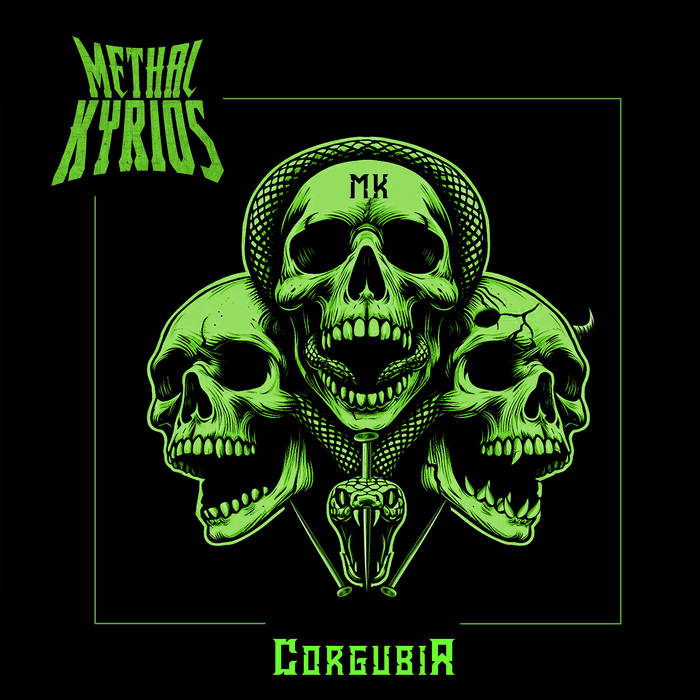
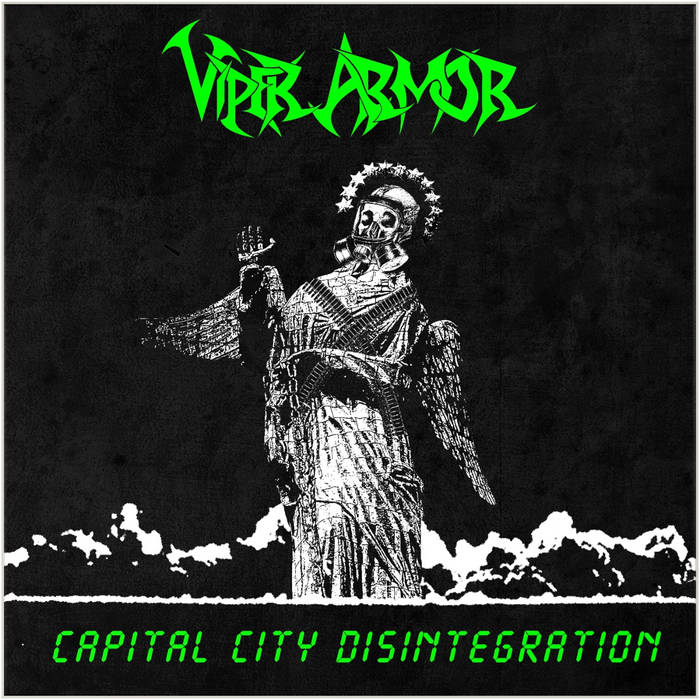
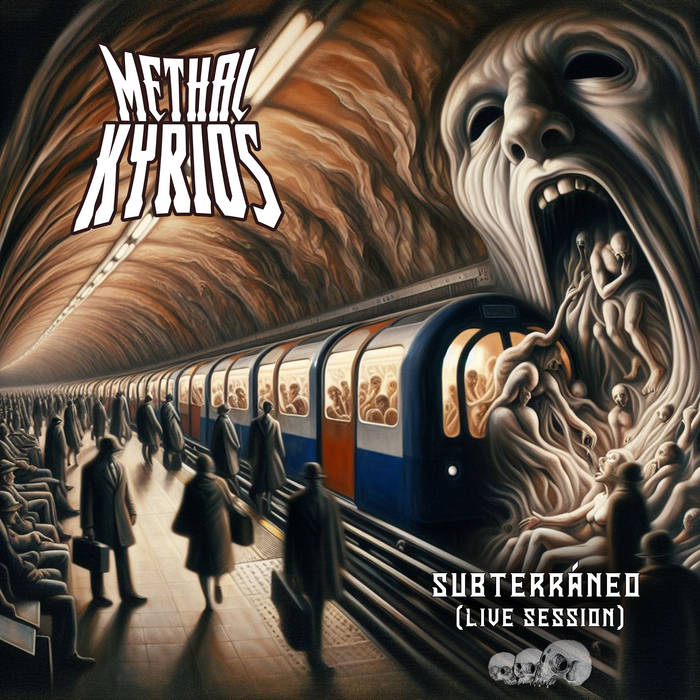
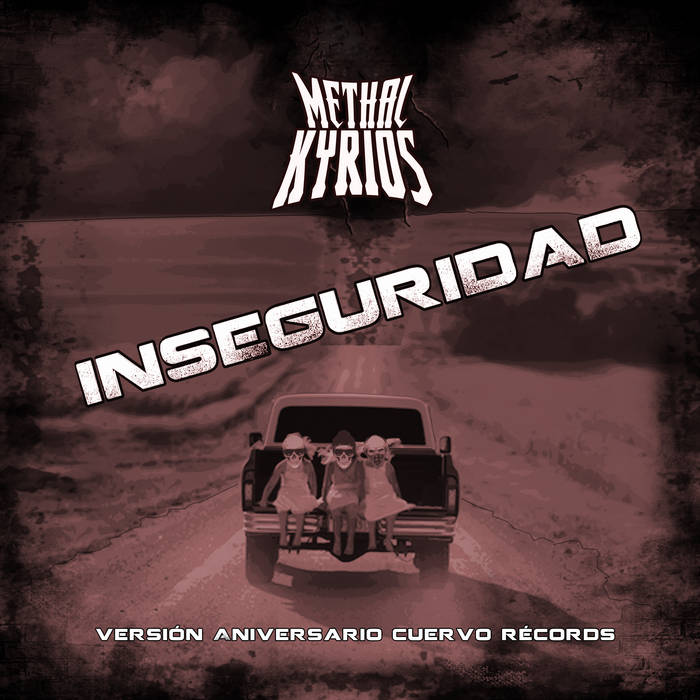
This authenticity debate becomes especially relevant when examining South America's extensive thrash metal catalog. Bands like Methal Kyrios and Viper Armor represent decades of organic musical development, where technical proficiency emerged through rigorous practice and genuine artistic vision rather than algorithmic assistance.
The tension between technological convenience and musical authenticity will likely intensify as AI tools become more sophisticated. South American metal acts, with their emphasis on live performance excellence and technical mastery, are positioned to champion the human element that distinguishes genuine artistry from artificial reproduction.
Festival Circuit Expansion Creates Global Opportunities
The announcement of Furnace Fest 2026's lineup, featuring Bring Me The Horizon, A Day To Remember, and Underoath, demonstrates the festival circuit's continued expansion into diverse metal subgenres. This trend toward genre inclusivity creates opportunities for South American acts across multiple metal categories to gain international exposure through festival appearances.
Bring Me The Horizon's decision to perform their album "Count Your Blessings" in its entirety celebrates the 20-year anniversary of a release that helped define modern metalcore. This retrospective approach suggests festival organizers increasingly value historical significance alongside current popularity, potentially benefiting South American bands with established discographies and proven longevity.
The festival circuit's evolution toward celebrating metal's diverse history creates space for regional scenes to showcase their contributions to the genre's development. South America's metal underground, with decades of recordings and live performance experience, possesses exactly the kind of authentic legacy that modern festival programming increasingly seeks to highlight.
Vocal Technique and Performance Sustainability
Devin Townsend's unconventional approach to vocal maintenance – emphasizing mental preparation over traditional exercises – offers insights into sustainable performance practices for extreme metal vocalists. His philosophy that vocal exercise means "try to sort your head out" challenges conventional wisdom about technical training in favor of psychological preparation.
This perspective proves particularly relevant for South American metal vocalists, who often perform in challenging conditions with limited access to formal vocal coaching. Townsend's emphasis on mental approach over technical perfection validates the intuitive methods many regional performers have developed through necessity and experience.
The psychological aspects of extreme vocal performance become especially important for death and black metal acts, where emotional authenticity directly impacts artistic effectiveness. South American bands specializing in these genres, such as those within the region's extensive extreme metal catalog, understand that technical proficiency must serve emotional expression rather than replace it.
Concert Experience and Digital Distraction
Geoff Tate's criticism of concertgoers who "watch concerts entirely through their phones" highlights broader concerns about authentic live music experiences. His encouragement for fans to "immerse yourself" in performances reflects a growing movement toward genuine engagement over digital documentation.
This philosophy aligns naturally with South America's metal concert culture, where intimate venues and passionate audiences have always prioritized direct engagement over social media documentation. The region's emphasis on community-based metal scenes creates environments where authentic experience takes precedence over digital performance.
As international metal acts increasingly advocate for phone-free or phone-limited concerts, South American venues and promoters are positioned to lead this authenticity movement. The region's existing culture of genuine audience engagement provides a proven model for creating meaningful live music experiences.
Industry Violence and Artist Safety
Pro-Pain frontman Gary Meskil's discussion of his recovery from a violent 2017 assault in Belgium underscores the real dangers touring musicians face, particularly when traveling internationally. His experience highlights the vulnerability of metal artists, especially those from smaller scenes, when performing in unfamiliar territories.
These safety concerns prove particularly relevant for South American bands seeking to tour internationally, as they often lack the security infrastructure available to major-label acts. Meskil's long recovery period demonstrates how violence can impact not only individual careers but entire band ecosystems dependent on key members.
The incident also emphasizes the importance of community support systems within metal scenes. South America's traditionally tight-knit metal communities offer models for protecting and supporting artists facing personal crises, whether from violence, health issues, or other challenges that can derail musical careers.
Looking Forward: South America's Underground Advantage
As established acts like Anthrax release new material and industry veterans debate authenticity versus artificial intelligence, South America's metal underground possesses distinct advantages in navigating these evolving dynamics. The region's emphasis on technical mastery, authentic expression, and community support aligns perfectly with current trends favoring genuine artistry over technological shortcuts.
The best metal bands have always balanced technical proficiency with emotional authenticity, and South America's extensive catalog of thrash, death, and black metal acts demonstrates exactly this balance. As the global metal scene continues expanding through festival circuits and digital platforms, regional bands are positioned to contribute meaningfully to metal's ongoing evolution.
The new metal bands emerging in 2026 will likely need to address the same authenticity questions that established acts currently face. South American musicians, with their foundation in organic musical development and community-based support systems, are prepared to meet these challenges while maintaining the genuine artistic vision that defines the region's metal identity.