Thrash Metal's Studio Renaissance and Wrestling's Heavy Metal Identity Drive Cultural Crossover as South American Underground Perfects Multi-Genre Mastery
The metal world is witnessing an unprecedented cultural crossover moment as thrash veterans return to their studio roots while entertainment industries embrace heavy music's authentic identity. Sacred Reich's announcement of their mixing phase for "Into The Abyss" with legendary producer Bill Metoyer represents more than just another album cycle—it signals thrash metal's commitment to studio craftsmanship that mirrors the meticulous approach long championed by South America's underground metal community.
The Arizona thrash legends' partnership with Metoyer, whose production legacy spans decades of defining heavy music, demonstrates the genre's evolution toward sophisticated studio artistry. This development creates fascinating parallels with South America's thrash metal scene, where bands like Nuclear Trauma and Warmachine have long understood that technical precision and studio mastery are essential components of authentic heavy metal expression.
Wrestling's Metal Identity Revolution
Meanwhile, WWE NXT's Lizzy Rain's commitment to representing heavy metal culture in professional wrestling reveals how metal's influence extends far beyond traditional music venues. Her dedication to honoring metalheads through her wrestling persona reflects metal's growing cultural legitimacy across entertainment platforms. This crossover phenomenon creates opportunities for South American metal acts to explore multimedia partnerships and alternative audience engagement strategies.
The wrestling-metal connection isn't merely superficial branding—it represents authentic cultural identity expression that resonates with metal's core values of authenticity and rebellion. For South American heavy metal bands like Acsa and Belonger, this mainstream acceptance of metal culture creates new pathways for reaching audiences beyond traditional concert venues.
Album Title Controversies and Creative Ownership
The amusing coincidence of both Venom and Lamb of God releasing albums titled "Into Oblivion" highlights the metal community's fierce protection of creative identity. Venom's casual dismissal of the overlap—emphasizing their five-year songwriting timeline—demonstrates the veteran approach to artistic ownership that characterizes metal's most enduring acts.
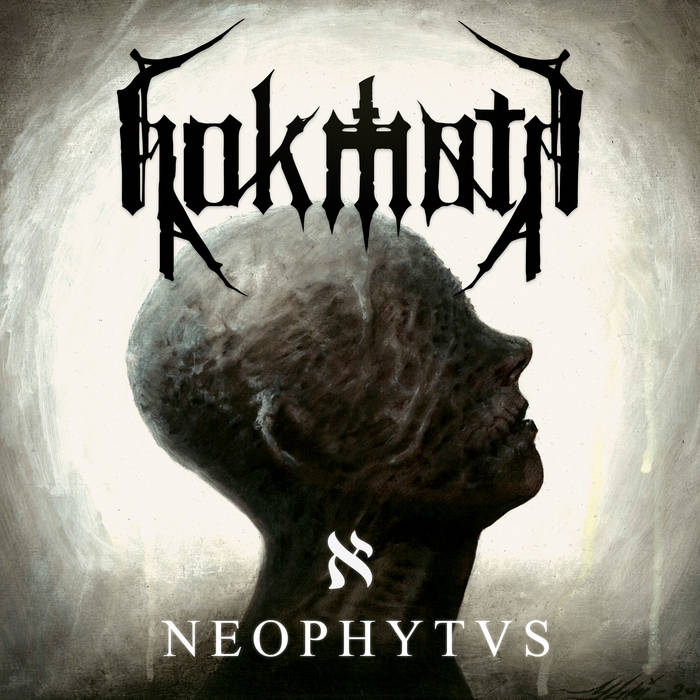
This incident underscores the importance of creative authenticity that has always defined South America's metal underground. Regional black metal acts like Chifre Negro and Hokmoth have built their reputations on uncompromising artistic vision, understanding that genuine creativity cannot be manufactured or duplicated.
Multi-Platinum Success and Industry Evolution
Five Finger Death Punch's achievement of their first multi-platinum single alongside Saosin's gold album certification reveals how diverse heavy music styles are finding mainstream commercial success. These milestones demonstrate that audiences are embracing metal's various subgenres with unprecedented enthusiasm, creating opportunities for international recognition of underground scenes.
The Red Hot Chili Peppers' massive $300 million deal with Warner Music Group, while not strictly metal, illustrates the industry's willingness to invest heavily in artists who maintain authentic creative voices over decades. This trend benefits metal acts worldwide, particularly those in developing markets like South America, where authentic artistic development has always taken precedence over commercial calculation.
Festival Culture and Live Performance Evolution
Welcome to Rockville's weather-related cancellation of Poppy's performance and the reunion moments for bands like Nonpoint demonstrate how festival culture continues evolving. These events highlight the unpredictable nature of live music while celebrating the enduring power of reunion performances and collaborative moments.
South American metal festivals have long adapted to challenging conditions and logistical obstacles, creating resilient live music communities that prioritize fan experience over perfect production values. This adaptability positions regional acts perfectly for international festival circuits that increasingly value authentic live performance over polished presentation.
Cross-Genre Collaboration Trends
The surprise collaborations at various shows—from Hayley Williams welcoming Anthony Green and Kat Moss onstage to Ice Nine Kills debuting new material with MAPHRA—signal metal's growing embrace of cross-genre experimentation. These partnerships demonstrate how established artists are seeking fresh creative perspectives through collaborative performances.
Gene Hoglan's observation about grunge's thrash metal influences reveals how genre boundaries have always been more fluid than purists acknowledge. His perspective from Dark Angel's formative thrash years provides historical context for today's collaborative trends, suggesting that cross-pollination has always driven metal's evolution.
For South American metal acts specializing in genre-blending approaches, like Homunculi's post-black metal experiments or Daedius's technical death metal progressions, these collaboration trends create opportunities for international recognition of their innovative approaches.
Regional Underground Advantages
While major label deals and multi-platinum certifications dominate headlines, South America's metal underground operates with distinct advantages that position regional acts for sustainable career development. The community-based approach to band development, combined with audiences that prioritize technical skill and authentic expression, creates ideal conditions for nurturing the best metal bands of the future.
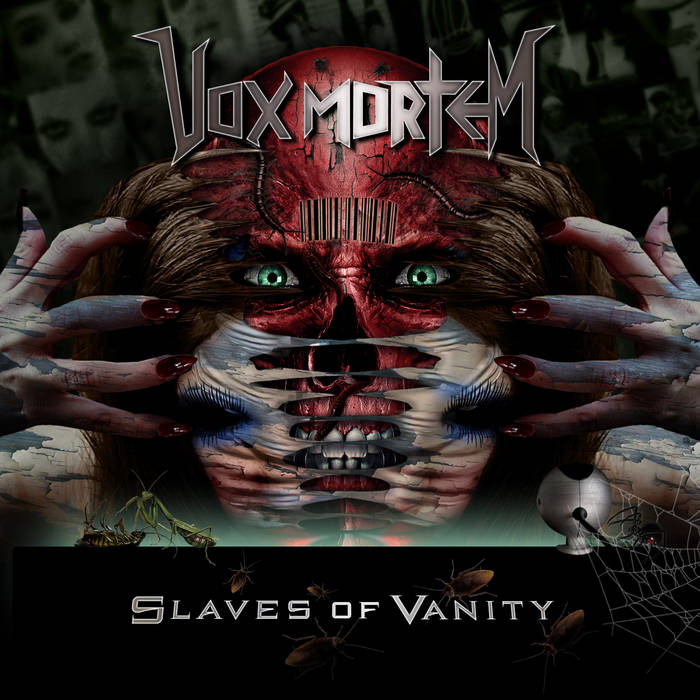
Thrash metal's studio renaissance, exemplified by Sacred Reich's meticulous production approach, aligns perfectly with South American acts like Bastardös and Vox Mortem, who have always understood that combining raw energy with technical precision creates the most compelling heavy metal experiences.
The industry's growing appreciation for authentic metal culture—whether through wrestling personas, collaborative performances, or veteran bands' continued creative output—validates the underground approach that has sustained South America's metal scene for decades. As metal bands touring 2026 seek genuine cultural connections rather than manufactured mainstream appeal, the region's extensive catalog of technically masterful, culturally authentic acts represents an untapped resource for international metal evolution.
The convergence of professional studio craftsmanship, mainstream cultural acceptance, and collaborative creative energy creates unprecedented opportunities for South American metal acts ready to demonstrate their decades of underground mastery on global stages. From death metal's technical precision to black metal's atmospheric experimentation, the region's diverse extreme metal community possesses exactly the authentic credibility and performance excellence that today's evolving metal landscape demands.