Major Festival Lineups and High-Profile Departures Signal Metal's Mainstream Evolution as South America's Death Metal Scene Poised for Festival Recognition
The announcement of Sonic Temple 2026's expanded death metal lineup and major personnel changes across established metal acts signal a significant shift in how extreme metal is being positioned within mainstream festival culture. As these developments reshape international metal programming, South America's extensive death metal underground—representing over 200 documented acts across the continent—finds itself uniquely positioned to capitalize on growing global appetite for authentic extreme metal experiences.
Death Metal's Festival Ascension Creates Regional Opportunities
Sonic Temple's decision to dedicate significant stage time to what organizers are calling "5 Deadly Death Metal Bands" for their 2026 Columbus event represents more than just programming choices—it signals a fundamental shift in how major festivals view extreme metal's commercial viability. The four-day, five-stage format provides unprecedented exposure opportunities for death metal acts, a development that resonates strongly within South America's technically proficient extreme metal community.
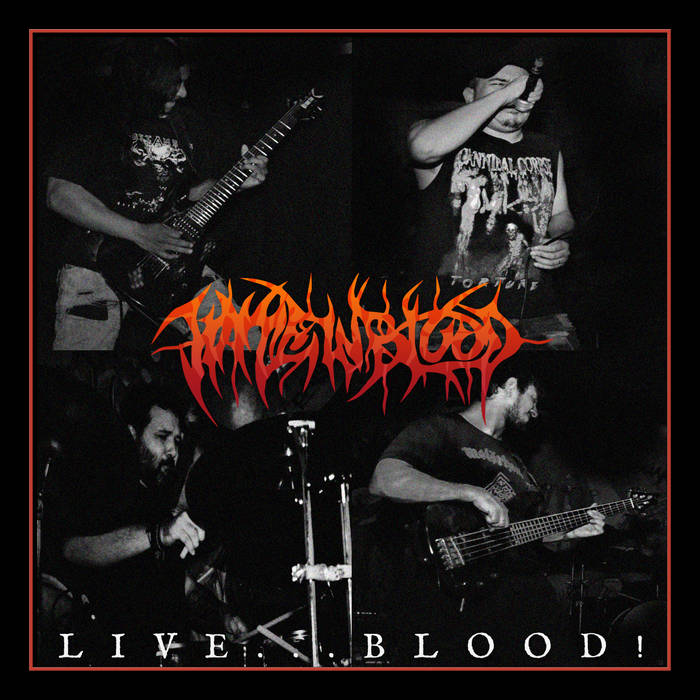
This festival evolution arrives at a crucial moment for the South American metal scene, where acts like Hate in Blood and Godagainst have spent years perfecting the kind of authentic brutality that major festivals are now actively seeking. The technical precision and underground credibility that characterizes South American death metal aligns perfectly with what these expanded festival lineups demand.
Regional death metal veterans understand that festival success requires balancing underground authenticity with performance accessibility—a skill set that South American extreme metal acts have developed through decades of performing in diverse venue conditions across vast geographical distances. This adaptability becomes increasingly valuable as festivals expand their extreme metal programming.
Personnel Changes Reveal Industry Evolution
High-profile lineup changes, including Dragonforce's addition of established extreme metal vocalists, demonstrate how veteran acts are integrating technical expertise from across metal's spectrum. These strategic personnel decisions reflect broader industry recognition that extreme metal techniques—long perfected in underground scenes—provide essential elements for maintaining relevance in evolving metal landscapes.
South America's extensive network of extreme metal musicians offers a deep talent pool of technically accomplished performers who have mastered the kind of versatility these evolving international acts now require. The region's collaborative underground culture has produced musicians comfortable crossing sub-genre boundaries while maintaining extreme metal's essential brutality.
For acts like Terror Fetus, whose evolution from thrash metal foundations to death metal mastery mirrors broader genre development patterns, these industry changes create potential pathways for international recognition that previously remained closed to underground extreme metal acts.
Veteran Act Dynamics and Legacy Challenges
Recent developments involving established metal acts reveal ongoing tensions between maintaining artistic integrity and addressing contemporary industry challenges. These situations underscore the importance of authentic underground scenes that prioritize musical development over industry politics—precisely the foundation that has sustained South America's metal community through decades of limited mainstream support.
Dave Mustaine's recent comments about celebrity political influence, delivered during interviews in Chile, highlight how international metal figures increasingly engage with South American media and audiences as essential components of global metal discourse. This regional media attention creates opportunities for local acts to participate in broader conversations about metal's cultural role.
The contrast between industry drama affecting established acts and the steady creative development within South America's underground suggests that authentic metal scenes provide more sustainable foundations for long-term artistic success than traditional industry structures.
Cover Projects and Creative Reinterpretation
Crossbreed's announced cover of EMF's "Unbelievable" represents broader trends toward creative reinterpretation that allow metal acts to demonstrate technical versatility while reaching new audiences. These projects require precisely the kind of arrangement sophistication and genre-crossing ability that characterizes South America's most innovative metal acts.
Regional acts like Asterion and Sigma 5 possess the progressive sensibilities and technical mastery necessary for ambitious reinterpretation projects. Their experience blending death metal brutality with progressive complexity provides ideal preparation for the kind of creative challenges that modern metal cover projects demand.
The success of well-executed cover projects depends on maintaining respect for source material while demonstrating genuine metal transformation—a balance that requires both technical skill and cultural understanding that South America's diverse metal scene naturally develops.
Studio Development and Recording Evolution
Extreme's Nuno Bettencourt's description of their upcoming seventh album as "a true rock and roll album, and it's nonstop" during recent São Paulo interviews demonstrates how established acts are emphasizing authentic energy and continuous musical intensity—qualities that define South America's extreme metal recording approach.
Regional recording scenes have long prioritized capturing authentic performance energy over studio perfection, an approach that aligns with current industry movements toward more organic recording methods. This experience positions South American metal acts advantageously as global metal recording trends shift away from over-processed production techniques.
The emphasis on "nonstop" musical intensity that Bettencourt describes mirrors the approach that acts like Gorempire and Unblooded have maintained throughout their careers, suggesting that underground extreme metal's performance philosophy increasingly influences mainstream metal production decisions.
Regional Scene Positioning and Future Opportunities
These international developments create multiple opportunities for South America's metal scene to achieve broader recognition. Festival expansion, personnel fluidity, and emphasis on authentic performance energy all favor regions with extensive underground metal infrastructure and technically accomplished musicians.
The combination of major festival interest in death metal, industry openness to cross-genre collaboration, and growing appreciation for authentic underground credentials positions South America's metal scene for potential breakthrough moments. Regional acts possess the technical mastery, performance authenticity, and collaborative experience that current international metal trends increasingly value.
Success in capitalizing on these opportunities requires strategic thinking about international promotion while maintaining the underground authenticity that provides South American metal's essential competitive advantage. The balance between accessibility and extremity that defines the region's most successful acts offers a proven template for navigating evolving international metal landscapes.
As global metal festivals expand extreme programming and established acts seek technical authenticity, South America's extensive metal underground represents an increasingly valuable resource for genuine extreme metal experience that international audiences are actively seeking.