Phone-Free Concert Revolution and Deep Purple's Heavy Return Signal Live Music's Authenticity Shift as South American Scene Embraces Direct Connection
The concert experience is undergoing a radical transformation as legendary acts embrace phone-free policies and heavier sonic directions, creating unprecedented opportunities for South America's extensive metal community to showcase their mastery of authentic live performance and direct fan connection.
The Phone-Free Revolution Gains Industry Veterans
Megadeth guitarist Teemu Mäntysaari's recent endorsement of Ghost's phone-free concert policies represents a seismic shift in how metal's establishment views live performance authenticity. Speaking to Chile's Sonar FM, Mäntysaari highlighted the growing industry consensus that removing digital distractions creates more intense, memorable experiences for both performers and audiences.
This movement toward phone-free shows isn't just about nostalgia—it's about recognizing that metal's power lies in unmediated human connection. For South America's metal scene, this represents validation of an approach that regional acts have maintained throughout decades of underground development. Bands like Rache, whose black and death metal compositions demand complete audience immersion, have always prioritized the kind of intense, distraction-free environments that major international acts are now fighting to reclaim.
The phone-free trend creates particular advantages for South American metal bands, whose performances have historically relied on raw energy and authentic connection rather than elaborate production values. While major acts struggle to retrofit their arena shows for intimacy, regional bands already possess the skills necessary to command attention through pure musical prowess and stage presence.
Deep Purple's Heavy Direction Reflects Industry Trends
Deep Purple's announcement of their "heaviest" studio album in years with "Splat!" signals broader industry recognition that audiences crave authenticity and power over polish. This shift toward heavier sonic territories by established acts creates space for extreme metal bands to gain wider recognition, particularly those from regions where technical mastery and brutal honesty have always defined the local sound.
The timing of Deep Purple's heavy pivot coincides with growing international interest in underground metal scenes that never abandoned these principles. South America's thrash metal legacy, exemplified by bands like Malicia and Sin Anestesia, demonstrates decades of commitment to the kind of uncompromising heaviness that mainstream acts are now rediscovering.
This industry-wide embrace of heavier directions validates the artistic choices made by countless South American extreme metal acts who maintained brutal authenticity despite limited commercial prospects. As international markets demonstrate appetite for genuine heaviness, these bands find themselves perfectly positioned to capitalize on shifting preferences.
Mainstream Metal's Digital Paradox
The contrast between Mötley Crüe's American Idol appearances and the phone-free concert movement illustrates metal's complex relationship with mainstream media and digital platforms. While established acts navigate television appearances and streaming strategies, the most vital developments in metal culture continue emerging from grassroots communities that prioritize direct artist-to-audience connection.
Fear Factory's Dino Cazares promising heavier, more modern sounds on upcoming releases demonstrates how veteran acts must balance commercial considerations with artistic integrity. This tension between accessibility and authenticity creates opportunities for regional scenes that never compromised their vision for broader appeal.
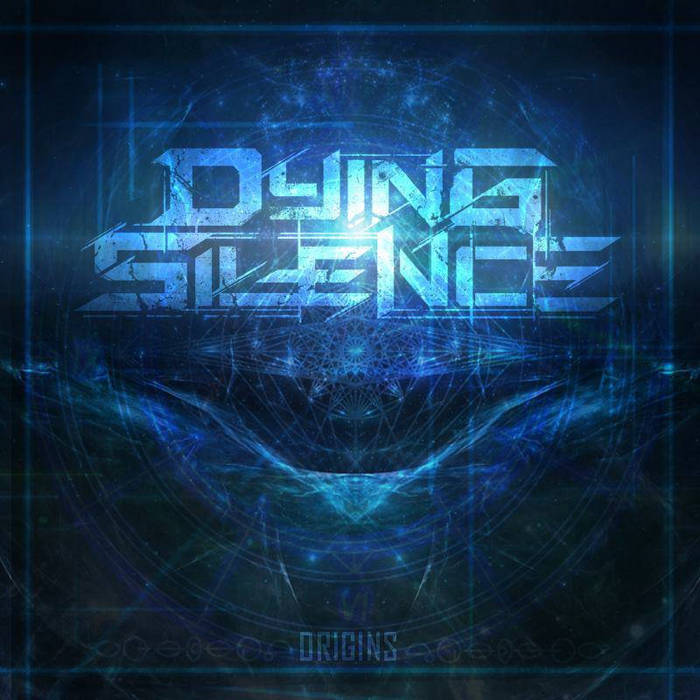
South America's metal community offers compelling models for sustainable artist careers that don't depend on viral moments or algorithm optimization. Bands like Nephastus and Dying Silence have built dedicated followings through consistent quality and genuine connection with their audiences, approaches that prove increasingly valuable as digital platforms become saturated with content.
Technical Innovation Meets Underground Authenticity
The announcement of new material from established acts like Living Wreckage, featuring members of Anthrax and Shadows Fall, highlights how experienced musicians recognize the value of creative freedom over commercial constraints. These side projects often produce more adventurous and satisfying music than their members' main acts, suggesting that artistic authenticity trumps brand recognition for creating lasting impact.
This trend toward creative experimentation by veterans validates the approach taken by South America's progressive metal scene, where bands like Triddana and Vampiria have long combined technical sophistication with cultural authenticity. These acts demonstrate that innovation emerges from genuine artistic vision rather than market research or trend following.
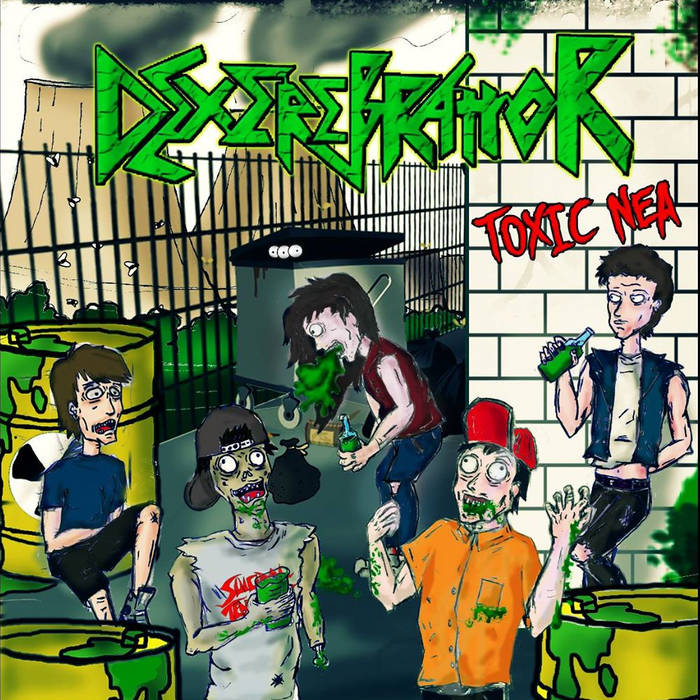
The growing international recognition of diverse metal subgenres creates unprecedented opportunities for South American bands who have mastered complex musical territories. From the epic black metal mastery of Assur to the crossover thrash expertise of Dexerebrattor, regional acts possess the technical skills and cultural depth that international audiences increasingly seek.
Festival Culture and Regional Advantages
Recent festival lineup changes, including 200 Stab Wounds replacing Thy Art Is Murder at major North American festivals, demonstrate how quickly opportunities can arise for prepared bands. South American metal acts, accustomed to adapting to challenging logistics and limited resources, often possess superior flexibility and professionalism compared to their more privileged international counterparts.
The rising costs and complexity of international touring create strategic advantages for regional scenes that have developed efficient networks and sustainable practices. South American metal festivals and touring circuits offer models for cost-effective live music presentation that maintain artistic integrity while ensuring economic viability for participating acts.
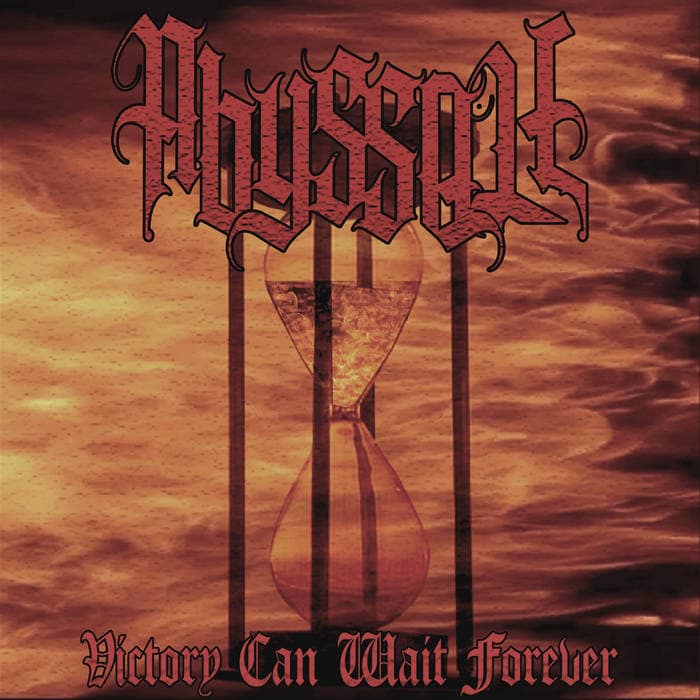
As major festivals seek authentic underground talent to replace established acts facing various challenges, South America's extensive metal community presents compelling alternatives. Bands like Lacryma Sanguine and Abyssall combine international-caliber technical skills with the reliability and professionalism that festival organizers require.
The Direct Connection Advantage
The convergence of phone-free concert policies, heavier mainstream directions, and growing industry appreciation for authenticity creates ideal conditions for South American metal bands to achieve broader recognition. These acts have mastered the skills that international markets now value most: technical excellence, authentic expression, and the ability to create meaningful connections with audiences.
Rather than chasing trends or adapting to algorithmic preferences, South America's metal community can leverage its greatest strengths—artistic integrity, technical mastery, and genuine cultural depth—to participate in metal's evolving landscape. The industry's movement toward authenticity validates decades of regional artistic choices that prioritized substance over surface appeal.
For bands ready to expand beyond regional circuits, upcoming shows offer opportunities to demonstrate these advantages to broader audiences. The current industry climate rewards exactly the qualities that South American metal has cultivated through years of underground dedication and technical development.